

Food waste is a valuable resource for renewable energy production. Restaurants, supermarkets, food-processing plants, commercial kitchens, and households generate large quantities of biodegradable waste every day. When managed properly, this waste can be converted into biogas through anaerobic digestion, helping reduce waste-disposal requirements while recovering useful energy. However, the efficiency of biogas production depends onContinue reading “How to Improve Biogas Production from Food Waste for Efficient Energy Recovery”
Author Archives: chekvan
Advances in Biogas from Organic Waste Technology for Efficient Waste Treatment and Energy Recovery

Organic waste management has become an important challenge for municipalities, agricultural businesses, food-processing facilities, and industrial wastewater treatment plants. Traditional waste disposal methods can lead to environmental problems and fail to recover the energy and nutrients contained in biodegradable materials. With advances in renewable energy technology, organic waste can instead become a valuable resource forContinue reading “Advances in Biogas from Organic Waste Technology for Efficient Waste Treatment and Energy Recovery”
Biogas from Organic Waste Treatment-Key Processes, Benefits, and Applications
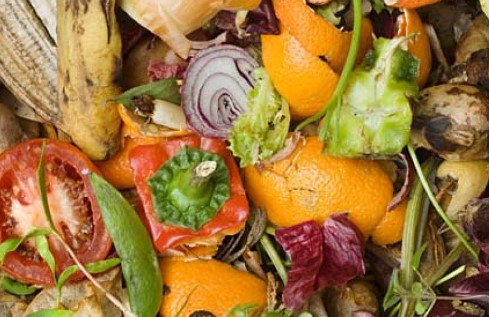
Organic waste is a valuable resource that can be converted into renewable energy through modern waste-treatment technologies. Food scraps, agricultural residues, animal manure, and organic wastewater can all serve as feedstocks for biogas production. Instead of sending these materials to landfills or treating them only as waste, facilities can use anaerobic digestion to recover energyContinue reading “Biogas from Organic Waste Treatment-Key Processes, Benefits, and Applications”
Choosing the Right Biogas to Biomethane Purification System for Different Project Scales
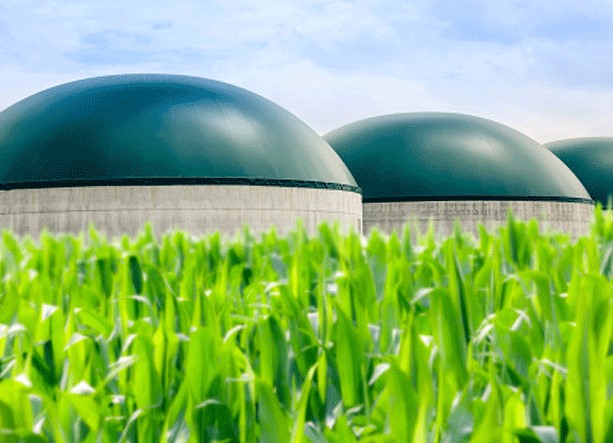
Biogas is an important renewable energy source generated through the anaerobic digestion of organic materials such as animal manure, agricultural residues, food waste, sewage, and other biodegradable feedstocks. However, raw biogas contains methane together with carbon dioxide, hydrogen sulfide, moisture, and other impurities. A biogas to biomethane purification system removes unwanted components and increases methaneContinue reading “Choosing the Right Biogas to Biomethane Purification System for Different Project Scales”
How Biogas to Biomethane Technology Improves Renewable Energy Utilization
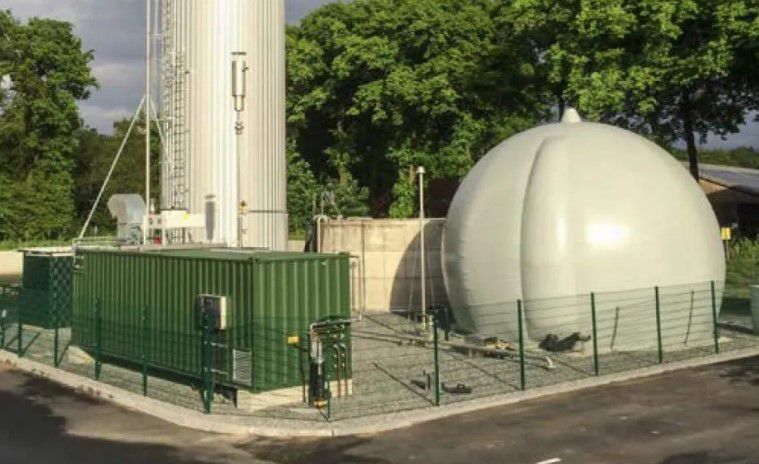
Biogas is an important renewable energy source produced through the anaerobic digestion of organic materials such as agricultural waste, animal manure, food waste, sewage, and other biodegradable feedstocks. However, raw biogas typically contains methane along with carbon dioxide, hydrogen sulfide, water vapor, and other trace gases. This composition can limit its direct use in someContinue reading “How Biogas to Biomethane Technology Improves Renewable Energy Utilization”
Understanding Biogas to Biomethane Plant Cost for Different Project Scales

The conversion of raw biogas into biomethane can significantly increase the range of applications for renewable gas. Biomethane can potentially be used for industrial heating, vehicle fuel, combined heat and power, or injection into suitable gas networks, depending on local gas-quality requirements. However, one of the first questions for developers is biogas to biomethane plantContinue reading “Understanding Biogas to Biomethane Plant Cost for Different Project Scales”
A Complete Guide to the Biogas to Biomethane Upgrading Process
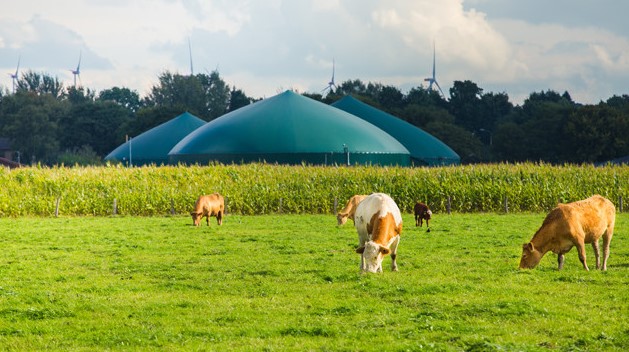
Biogas is an important renewable energy source produced through the anaerobic digestion of organic materials such as agricultural waste, livestock manure, food waste, and wastewater sludge. While raw biogas can be used directly for heating or power generation, it often contains significant amounts of carbon dioxide, hydrogen sulfide, moisture, and other impurities. For applications requiringContinue reading “A Complete Guide to the Biogas to Biomethane Upgrading Process”
A Guide to Homemade Biogas Digester Temperature Control for Small-Scale Systems

Temperature is one of the most important operating conditions in anaerobic digestion. Microorganisms inside a biogas digester are sensitive to temperature changes, and maintaining a relatively stable environment can help support consistent digestion and gas production. For households, farms, and other small-scale applications, effective homemade biogas digester temperature control does not necessarily require complicated equipment.Continue reading “A Guide to Homemade Biogas Digester Temperature Control for Small-Scale Systems”
Essential Homemade Biogas Digester Materials for Safe and Reliable Operation
A homemade biogas digester can be an effective way to convert organic waste into renewable energy. For households, small farms, and rural communities, a properly designed system can process livestock manure, kitchen waste, and other biodegradable materials while producing biogas for appropriate household energy applications. However, choosing the right homemade biogas digester materials is essentialContinue reading “Essential Homemade Biogas Digester Materials for Safe and Reliable Operation”
How to Design a Homemade Biogas Digester for Home Waste and Energy Needs

A homemade biogas digester can provide households with a practical way to convert organic waste into renewable energy. Kitchen scraps, livestock manure, and other biodegradable materials can be processed through anaerobic digestion to produce biogas, which can potentially be used for appropriate household energy applications. However, designing a homemade system requires careful consideration of feedstock,Continue reading “How to Design a Homemade Biogas Digester for Home Waste and Energy Needs”

