
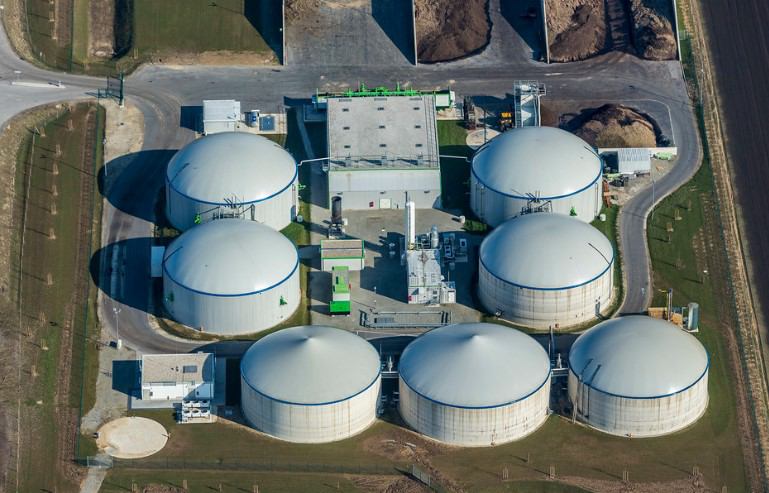
As industries, agricultural businesses, and communities seek more sustainable ways to manage organic waste and meet their energy requirements, biogas technology is gaining increasing attention. By converting biodegradable materials into renewable energy through anaerobic digestion, biogas plants can help reduce waste disposal challenges, recover valuable resources, and support the transition toward a circular economy.
However, successful waste-to-energy projects require more than installing an anaerobic digester. They involve complex processes, including feedstock preparation, biological treatment, gas collection, purification, storage, and energy utilization. This is where biogas expert engineering design plays an important role.
Professional engineering design helps ensure that a biogas facility is technically suitable, economically practical, safe, and reliable throughout its operating life. From initial feasibility studies to commissioning and performance optimization, engineering expertise can make a significant difference in the success of sustainable waste-to-energy solutions.
1. Understanding Biogas as a Waste-to-Energy Solution
Biogas is produced when microorganisms break down biodegradable organic materials in an oxygen-free environment. This process, known as anaerobic digestion, converts organic waste into methane-rich gas and digestate.
Common feedstocks include:
Livestock manure, such as cow and pig dung.
Food waste from restaurants, markets, and food-processing facilities.
Agricultural residues and crop waste.
Organic industrial wastewater.
Sewage sludge from wastewater treatment plants.
Organic waste from breweries and other food and beverage industries.
The resulting biogas mainly contains methane (CH4) and carbon dioxide (CO2), with smaller amounts of hydrogen sulfide (H2S), water vapor, and other trace gases.
Depending on its composition and treatment requirements, biogas can be used in boilers, heating systems, gas engines, and combined heat and power (CHP) units. It can also be upgraded into biomethane for applications such as vehicle fuel or gas grid injection, subject to applicable quality standards.
By recovering energy from organic waste, biogas projects can provide both waste treatment and renewable energy benefits.
2. Why Biogas Expert Engineering Design Is Essential
Every biogas project has different technical and operational requirements. A livestock farm processing cow dung has different feedstock characteristics from a food factory treating high-strength organic wastewater.
Without appropriate engineering design, a project may experience unstable digestion, insufficient gas production, excessive energy consumption, gas leakage, or high maintenance costs.
A professional biogas expert engineering design process addresses these challenges by coordinating the major systems of the facility.
Its objectives typically include:
Improving process efficiency: Selecting suitable digestion technology and operating conditions to maximize organic matter conversion.
Optimizing plant capacity: Matching digester volume and equipment specifications to actual feedstock availability and energy demand.
Reducing operating costs: Selecting efficient pumps, mixers, heating systems, and gas treatment equipment.
Improving safety: Incorporating appropriate gas handling, ventilation, pressure control, and emergency protection.
Supporting long-term reliability: Designing equipment layouts and maintenance systems that allow convenient inspection and servicing.
The result is a more integrated facility in which waste treatment, gas production, and energy utilization work together effectively.
3. Feedstock Assessment and Project Feasibility
Feedstock assessment is one of the most important stages in biogas engineering design. The quantity and characteristics of organic waste directly influence digester selection, plant capacity, expected gas production, and operating costs.
An engineering consultancy should evaluate several factors.
Feedstock Availability
The project team needs to determine the daily quantity of organic waste that can be collected and transported to the facility. Seasonal variations, production schedules, collection efficiency, and future feedstock availability should also be considered.
Organic Matter Characteristics
Different feedstocks contain different proportions of total solids, volatile solids, fats, proteins, carbohydrates, and other organic compounds. These properties influence their biodegradability and biogas production potential.
Laboratory analysis and, where appropriate, biochemical methane potential testing can help establish realistic production estimates.
Pretreatment Requirements
Some materials require screening, crushing, mixing, dilution, or other pretreatment before entering the digester. Industrial wastewater may also need specific conditioning to avoid substances that inhibit microbial activity.
Project Feasibility
The feasibility study should evaluate construction costs, operating expenses, expected energy output, waste treatment benefits, site conditions, regulatory requirements, and potential revenue.
A comprehensive assessment helps project owners determine whether the proposed waste-to-energy facility is technically and financially viable.
4. Selecting the Right Anaerobic Digestion Technology
Digester selection is a central part of biogas expert engineering design. The most suitable technology depends on feedstock characteristics, solids concentration, project capacity, climate, available land, and operating requirements.
Common anaerobic digestion systems include:
Continuously Stirred Tank Reactor (CSTR)
CSTR systems are widely used for liquid and slurry feedstocks. Mechanical mixing helps maintain uniform conditions and contact between microorganisms and organic materials. They are suitable for many agricultural and industrial applications.
Plug-Flow Digester
Plug-flow systems are commonly considered for relatively high-solids feedstocks, including certain livestock manure streams. Material moves through the digester in a controlled flow pattern.
Covered Lagoon Systems
Covered lagoons can be suitable for certain dilute agricultural waste streams, particularly where sufficient land is available and climate conditions are appropriate.
Industrial Anaerobic Digestion Systems
Large industrial projects may require customized reactors, pretreatment facilities, automated feeding systems, heating equipment, and advanced process controls.
An experienced engineering team should compare these options based on technical performance, capital investment, operating requirements, and the characteristics of the available feedstock.
5. Designing Efficient Biogas Collection and Purification Systems
Biogas collection and purification are essential for converting raw gas into a usable energy source.
Raw biogas contains several components that may affect combustion performance, equipment durability, and safety. Therefore, gas treatment requirements should be determined according to the intended application.
Important engineering considerations include:
Moisture Removal
Water vapor can condense inside pipelines and equipment, causing corrosion, blockages, and operational problems. Condensate traps, cooling systems, and suitable gas drying equipment can help manage moisture.
Hydrogen Sulfide Removal
Hydrogen sulfide is corrosive and toxic. Depending on the gas composition and required outlet quality, treatment may involve activated carbon, iron-based media, biological desulfurization, or other suitable technologies.
Carbon Dioxide Removal
For applications requiring higher methane concentration, carbon dioxide can be separated using membrane systems, pressure swing adsorption, water scrubbing, or chemical absorption.
Gas Storage and Pressure Control
Gas holders and storage systems help balance production and consumption. Pressure regulators, safety valves, condensate drainage, and suitable pipelines are also important parts of the overall design.
A properly engineered gas treatment system helps protect downstream equipment and ensures that biogas meets the requirements of its intended use.
6. Integrating Energy Recovery and Utilization Systems
The value of a biogas project depends not only on how much gas it produces but also on how effectively that gas is utilized.
Engineering design should consider the facility’s energy demand and identify the most appropriate application.
Heat generation: Biogas can fuel suitable boilers or heating systems for industrial processes, agricultural facilities, and digester temperature control.
Electricity generation: Gas engines or other suitable power generation equipment can convert biogas into electricity for on-site use or eligible grid export.
Combined heat and power: CHP systems produce electricity and recover useful heat, potentially improving overall energy utilization.
Biomethane production: When additional purification and upgrading are economically justified, biogas can be processed into biomethane for applications that require higher methane content.
The selection should consider gas production patterns, energy demand, equipment efficiency, maintenance requirements, and local energy regulations.
7. The Importance of Process Monitoring and Gas Analysis
A well-designed biogas plant requires reliable monitoring to maintain stable operation. Changes in feedstock composition, temperature, pH, and organic loading can affect microbial activity and gas production.
Gas composition is particularly useful for evaluating the performance of anaerobic digestion and downstream purification systems.
Key parameters include:
Methane (CH4): Indicates the proportion of combustible gas and helps evaluate fuel quality.
Carbon dioxide (CO2): Provides information about raw biogas composition and upgrading performance.
Hydrogen sulfide (H2S): Helps assess gas corrosiveness and the effectiveness of desulfurization.
Oxygen (O2): Can help identify possible air ingress when interpreted according to the sampling location.
Portable gas analysis instruments are useful for field inspections, commissioning, and troubleshooting.

The GASCHEK1000 portable biogas analyzer
The GASCHEK1000 portable biogas analyzer uses advanced photoelectric sensing technology to detect and analyze methane (CH4), carbon dioxide (CO2), oxygen (O2), hydrogen sulfide (H2S), and other selected gases. Its portable design supports on-site gas composition measurements at agricultural, industrial, and waste-to-energy facilities.
For biogas plant operators, the GASCHEK1000 can help check raw gas composition, assess gas purification performance, and identify changes in gas quality during routine inspections. These measurements provide practical information for process evaluation and maintenance planning.
By incorporating gas analysis into the plant’s operating and maintenance strategy, project owners can make better-informed decisions and improve the reliability of their waste-to-energy systems.
8. Improving Environmental Performance Through Digestate Management
Anaerobic digestion produces digestate as well as biogas. Digestate contains nutrients and residual organic matter that may be recovered for agricultural use.
However, its handling and utilization must be included in the original engineering plan.
Depending on the feedstock and project requirements, digestate management may involve:
Solid-liquid separation.
Storage tanks or lagoons.
Further treatment or stabilization.
Nutrient analysis.
Transportation and land application planning.
Proper digestate management can help recover nutrients and reduce the need for some conventional fertilizers. However, digestate quality must be evaluated, and its storage and application should comply with local environmental and agricultural regulations.
An integrated design that considers both biogas production and digestate utilization can improve resource recovery and reduce the environmental burden of organic waste treatment.
9. Engineering Design for Safety and Regulatory Compliance
Biogas facilities contain combustible gases and may involve toxic hydrogen sulfide, pressurized equipment, electrical systems, and confined spaces. Safety must therefore be considered throughout the design process.
Professional engineering design should address:
Gas leakage detection and prevention.
Adequate ventilation.
Pressure relief and emergency shutdown systems.
Suitable electrical equipment for hazardous areas.
Fire protection and emergency response.
Safe access for inspection and maintenance.
Hydrogen sulfide exposure controls.
Confined-space entry procedures.
The project must also meet applicable construction, environmental, electrical, fire safety, and gas system regulations.
Engaging qualified engineers and experienced contractors helps ensure that the facility is designed, installed, and commissioned according to relevant technical and safety requirements.
10. From Feasibility Study to Commissioning: The Value of Engineering Consultancy
A successful waste-to-energy project requires coordination across multiple stages. A biogas engineering consultancy can provide technical guidance throughout the project lifecycle.
Typical services include:
Feasibility studies: Evaluating feedstock availability, project capacity, energy demand, site conditions, and financial viability.
Conceptual and detailed engineering: Developing process flow diagrams, equipment specifications, system layouts, and engineering calculations.
Equipment selection: Identifying suitable digesters, pumps, mixers, gas holders, purification systems, and energy recovery equipment.
Construction support: Coordinating technical requirements and reviewing installation quality.
Commissioning: Testing equipment, checking system performance, and supporting the controlled startup of anaerobic digestion processes.
Operational optimization: Helping operators review process data, troubleshoot problems, and improve system performance.
Working with an experienced engineering partner can reduce technical uncertainties and help ensure that each stage of the project supports the overall performance objectives.
Biogas expert engineering design plays a fundamental role in developing sustainable waste-to-energy solutions. By integrating feedstock assessment, anaerobic digestion technology, gas purification, energy recovery, digestate management, and process monitoring, professional engineering can transform organic waste into a valuable renewable energy resource.
For agricultural businesses, biogas plants can improve livestock manure management while providing energy for farm operations. For industrial facilities, anaerobic digestion offers opportunities to treat organic waste, recover energy, and support environmental objectives.
Long-term performance also depends on effective monitoring and maintenance. The GASCHEK1000 portable biogas analyzer provides practical on-site measurements of key gas components, helping operators evaluate biogas quality and monitor purification performance.
With careful planning, appropriate engineering expertise, and reliable monitoring equipment, biogas projects can deliver more efficient waste treatment, better resource recovery, and sustainable energy production.
About ChekVan Tech
Since the foundation of Chekvan Tech, it has endeavored to be an qualified manufacturer and supplier of portable biogas analyzers, online biogas monitoring system, fixed gas detectors for biogas plants around the world. We also develop and builds microflow biogas analyzer and gas blender for universities and researching facilities on biogas research.
To learn more, please don’t hesitate to contact us via email at sales@chekvan.com, or visit our website at www.chekvan.com.

