
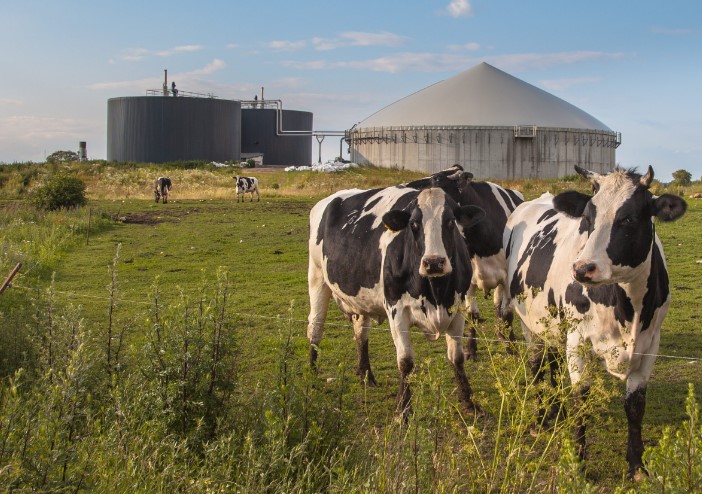
Cow dung is an abundant organic resource on dairy farms and livestock operations. Through anaerobic digestion, it can be converted into biogas for cooking, heating, electricity generation, and other energy applications. A well-planned cow dung gas plant can also improve manure management, reduce waste-related environmental impacts, and produce digestate that may be used as an agricultural soil amendment when properly managed.
However, successful biogas production depends heavily on the quality of the plant design. Factors such as livestock population, manure availability, digester capacity, temperature control, gas storage, and equipment selection all influence system performance and operating costs.
For farmers and livestock businesses planning a new project, understanding the key considerations in cow dung gas plant design is essential for building a reliable and economically sustainable facility.
1. Assess Cow Dung Availability and Feedstock Characteristics
The first step in designing a cow dung gas plant is determining how much feedstock is available every day. The number of cattle on the farm provides a starting point, but actual manure collection rates are equally important.
Farmers should evaluate:
The number and type of livestock.
Average daily manure production per animal.
The proportion of manure that can be collected.
Manure moisture content and total solids.
Seasonal changes in feedstock availability.
Whether other organic materials will be added.
Cow dung is commonly mixed with water to create a slurry suitable for feeding into the digester. The mixing ratio should be determined according to the manure’s actual characteristics and the selected digester design.
A reliable feedstock assessment helps prevent two common problems: insufficient organic material to maintain gas production and excessive loading that can destabilize the digestion process.
2. Determine the Appropriate Plant Capacity
Plant capacity should be based on available feedstock and expected biogas demand. A system designed for a small family farm will have different requirements from a commercial dairy operation with hundreds or thousands of cattle.
When estimating capacity, consider:
Daily feedstock input: Calculate the amount of collectable cow dung available for digestion.
Expected biogas production: Estimate gas output based on feedstock quantity, organic matter content, operating temperature, and digestion efficiency.
Energy demand: Determine whether the biogas will be used for cooking, heating, electricity generation, or several applications.
Future expansion: Consider whether livestock numbers or energy requirements may increase over time.
An oversized digester can increase construction and maintenance costs, while an undersized system may not process all available manure or satisfy energy requirements. Proper capacity planning helps balance investment with expected operating benefits.
3. Select the Right Anaerobic Digester Type
The digester is the central component of a cow dung biogas plant. Its function is to provide an airtight environment where microorganisms break down organic matter and produce methane-rich biogas.
Common digester configurations include:
Fixed-Dome Digester
A fixed-dome digester uses an underground or partially buried structure with a fixed gas-storage chamber. It has a relatively simple design and few moving parts, making it suitable for certain small and medium-scale agricultural applications.
Its construction quality is particularly important because gas leakage and structural problems can affect performance.
Floating-Drum Digester
A floating-drum system uses a movable gas holder that rises and falls as biogas is produced and consumed. It provides relatively stable gas pressure, but the moving structure requires maintenance and may be vulnerable to corrosion depending on its materials.
Industrial Anaerobic Digester
Large livestock businesses may require engineered concrete or steel digesters equipped with mixing systems, heating equipment, pumps, instrumentation, and automated controls.
These systems can accommodate larger feedstock volumes and provide greater control over operating conditions. The final selection should consider project scale, climate, budget, maintenance capabilities, and required gas output.
4. Plan Digester Volume and Hydraulic Retention Time
Digester volume must be calculated according to daily slurry input and the intended hydraulic retention time (HRT).
HRT refers to the average time that the liquid feedstock remains inside the digester. It is an important design parameter because microorganisms need sufficient time to break down organic matter.
For example, if a plant receives a certain volume of slurry every day, the required working volume will depend partly on the selected retention time. However, the appropriate HRT is not universal. It varies with temperature, feedstock composition, solids concentration, digester configuration, and process performance.
Designers should also consider organic loading rate, which measures the amount of organic material introduced into the digester relative to its working volume each day.
An excessively high loading rate can lead to volatile fatty acid accumulation and process instability. A suitable loading strategy helps maintain balanced microbial activity and consistent biogas production.
5. Consider Temperature Control and Digester Insulation
Temperature has a direct influence on anaerobic digestion because the microorganisms responsible for biogas production are sensitive to changes in their operating environment.
Many agricultural digesters operate under mesophilic conditions, typically around 35–40°C. Thermophilic systems commonly operate around 50–55°C, although the appropriate operating temperature depends on the process design.
When planning a cow dung gas plant, consider:
Local climate and seasonal temperature changes.
Digester insulation requirements.
Whether heating equipment is necessary.
The availability of waste heat or other heating sources.
Temperature monitoring and control equipment.
In colder climates, insulation or heating may be necessary to maintain stable digestion. In warmer regions, the design may place greater emphasis on temperature stability, ventilation, and protection from excessive heat.
Stable temperature conditions help microorganisms function effectively and reduce fluctuations in gas production.
6. Design an Efficient Biogas Collection and Storage System
After biogas is produced, it must be collected, transported, and stored safely before use.
A complete gas-handling system may include:
Gas collection pipes.
Gas holders or storage tanks.
Pressure regulators.
Condensate traps.
Flame arresters and other suitable safety devices.
Gas flow measurement equipment.
Pressure monitoring instruments.
Pipelines should be designed to prevent leakage and allow condensate to be removed. Pipe materials, diameters, pressure ratings, and installation methods must match the operating conditions.
Gas storage capacity should be determined according to production patterns and consumption requirements. If gas production and demand vary throughout the day, suitable storage can help balance supply and use.
The system should also include appropriate pressure relief and emergency isolation arrangements. Gas-handling equipment must comply with applicable engineering standards and local safety regulations.
7. Include Biogas Purification and Gas Quality Monitoring
Raw biogas generally contains methane (CH4), carbon dioxide (CO2), water vapor, hydrogen sulfide (H2S), and sometimes small quantities of other gases.
The required treatment depends on the intended application. For example, a basic biogas burner may require less extensive treatment than an engine or a biomethane upgrading system.
Common gas treatment processes include:
Moisture removal: Cooling, condensate traps, and suitable drying equipment help remove water vapor and prevent condensation in pipelines and downstream equipment.
Hydrogen sulfide removal: Activated carbon, iron-based media, biological treatment, and other technologies can reduce H2S. This is important because hydrogen sulfide can cause corrosion and presents serious health hazards.
Carbon dioxide removal: If higher methane concentration is required, technologies such as membrane separation, pressure swing adsorption (PSA), and water scrubbing may be considered.
Gas composition monitoring should be included in the plant design from the beginning. Regular measurements help operators evaluate digester performance, assess purification efficiency, and identify changes that may require corrective action.
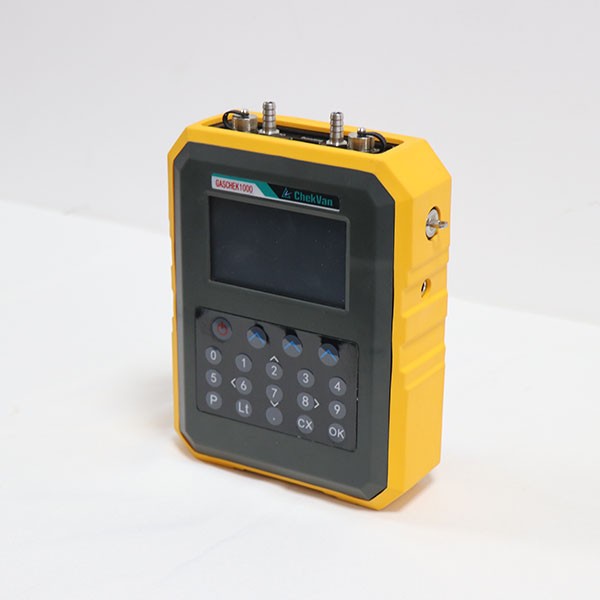
The GASCHEK1000 portable biogas analyzer
The GASCHEK1000 portable biogas analyzer is designed to measure key biogas components, including methane (CH4), carbon dioxide (CO2), oxygen (O2), and hydrogen sulfide (H2S), using advanced photoelectric sensing technology. Its portable design makes it suitable for on-site gas analysis at agricultural biogas facilities.
For cow dung gas plants, the GASCHEK1000 can help operators check raw biogas composition, evaluate gas treatment performance, and monitor gas quality during commissioning and routine operation. These measurements provide useful information for maintaining stable plant performance and making informed operating decisions.
8. Plan Digestate Treatment and Utilization
Anaerobic digestion produces both biogas and digestate. The digestate contains residual organic matter and nutrients that may be valuable for agricultural applications.
However, digestate management should be considered during the initial plant design rather than treated as an afterthought.
Important design considerations include:
Digestate storage capacity.
Solid-liquid separation requirements.
Drainage and collection systems.
Nutrient management and application plans.
Odor control.
Compliance with environmental and agricultural regulations.
Depending on the feedstock and local requirements, digestate may need further treatment or testing before being applied to farmland. Proper storage and application can help recover nutrients while reducing the risk of water and soil pollution.
9. Evaluate Construction Costs and Long-Term Operating Expenses
A cow dung gas plant design should balance initial investment with long-term operating performance.
Major investment items may include:
Site preparation and civil construction.
Digester tanks and gas holders.
Feedstock collection and mixing equipment.
Pumps, pipes, and valves.
Heating and mixing systems.
Gas purification equipment.
Gas storage and utilization equipment.
Electrical systems and instrumentation.
Installation, commissioning, and safety facilities.
Operating expenses may include labor, electricity, heating, equipment maintenance, gas treatment materials, and periodic replacement of components.
Farmers should estimate potential savings from replacing conventional fuels or purchasing electricity. Where permitted, additional value may come from selling surplus electricity or upgraded biomethane.
If government grants, agricultural support programs, or renewable energy incentives are available, they may improve project economics. However, eligibility and funding conditions should be confirmed with the relevant local authorities before construction begins.
10. Consider Site Selection, Safety, and Regulatory Requirements
The plant location affects construction costs, operating convenience, and environmental performance.
A suitable site should provide convenient access to manure collection areas, sufficient space for the digester and associated equipment, and appropriate drainage. It should also consider the distance to energy users, access roads, nearby buildings, water sources, and sensitive environmental areas.
Safety planning is essential because biogas is combustible and may contain toxic hydrogen sulfide. A professional design should address:
Gas leakage prevention and inspection.
Ventilation in enclosed equipment areas.
Appropriate electrical equipment for potentially hazardous locations.
Pressure relief and emergency shutdown.
Safe access to tanks and confined spaces.
Hydrogen sulfide exposure prevention.
Fire protection and emergency response procedures.
The project must also comply with applicable building, environmental, fire, electrical, and gas-system regulations. Qualified engineers and contractors should be involved in design, installation, and commissioning.
11. Why Proper Design and Monitoring Work Together
An effective cow dung gas plant design provides the physical conditions needed for anaerobic digestion, but good design alone does not guarantee stable performance. Operators also need reliable information about feedstock conditions, digester operation, gas production, and gas composition.
For example, a decrease in methane concentration may indicate changes in feedstock composition, digestion conditions, or process stability. An increase in hydrogen sulfide may signal a need to review gas treatment equipment. Oxygen readings can also help identify possible air ingress, although measurements should be interpreted in the context of the sampling location and operating conditions.
Portable gas analysis equipment provides practical support for routine inspections and troubleshooting. By combining suitable plant design with regular gas composition measurements, farmers can better understand operating conditions, identify potential problems, and improve maintenance decisions.
Planning a successful cow dung gas plant requires careful consideration of feedstock availability, plant capacity, digester selection, retention time, temperature control, gas storage, purification, digestate management, construction costs, and safety requirements.
For farmers and livestock businesses, a well-designed system can turn animal manure into useful renewable energy while supporting more effective waste management. However, long-term success depends on matching plant capacity to actual feedstock availability, maintaining stable digestion conditions, and ensuring that gas-handling and treatment equipment are properly designed.
Gas quality monitoring is another important part of reliable operation. The GASCHEK1000 portable biogas analyzer provides on-site measurements of key biogas components, helping operators evaluate gas composition and assess treatment performance.
With sound engineering, appropriate equipment, and consistent operation and maintenance, a cow dung gas plant can become a practical and sustainable energy solution for agricultural businesses.
About ChekVan Tech
Since the foundation of Chekvan Tech, it has endeavored to be an qualified manufacturer and supplier of portable biogas analyzers, online biogas monitoring system, fixed gas detectors for biogas plants around the world. We also develop and builds microflow biogas analyzer and gas blender for universities and researching facilities on biogas research.
To learn more, please don’t hesitate to contact us via email at sales@chekvan.com, or visit our website at www.chekvan.com.

