
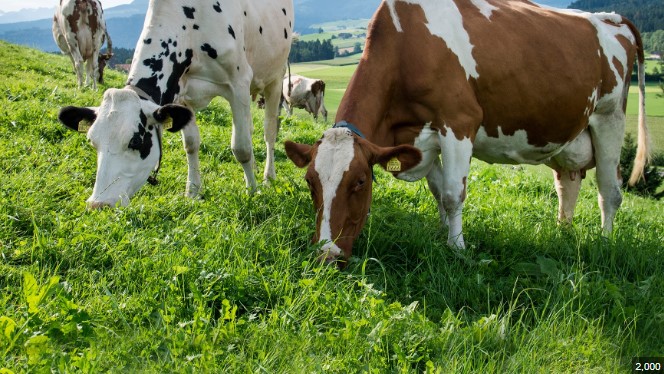
For households in rural areas, access to affordable and reliable energy is essential for daily activities such as cooking, heating water, and sometimes generating electricity. At the same time, families that raise cattle need practical ways to manage animal waste. A cow dung gas plant for home offers a solution to both challenges by converting livestock manure into biogas, a renewable fuel that can be used for household energy.
Using anaerobic digestion technology, a domestic biogas plant transforms organic waste into combustible gas while producing nutrient-rich digestate that can be applied as agricultural fertilizer. This approach helps rural households make better use of locally available resources, reduce waste, and support more sustainable living.
What Is a Cow Dung Gas Plant for Home?
A cow dung gas plant for home is a small-scale biogas system designed to process cattle manure and produce gas for household use. The system typically consists of a mixing tank, anaerobic digester, gas storage unit, gas delivery pipes, and a slurry outlet.
The process begins when fresh cow dung is mixed with water to create a slurry. This mixture enters an airtight digester, where microorganisms break down organic matter in the absence of oxygen. During digestion, biogas is generated and collected for use as fuel.
Biogas mainly contains methane and carbon dioxide, with smaller amounts of other gases such as hydrogen sulfide and water vapor. Methane is the main combustible component and provides the energy needed for cooking and other applications.
The remaining digestate can be collected and used as an organic fertilizer after appropriate handling.
1. Provides Renewable Energy for Household Cooking
One of the main benefits of a cow dung gas plant for home is its ability to produce renewable cooking fuel.
Many rural households rely on firewood, charcoal, or other traditional fuels. Collecting these fuels can require considerable time and effort, while burning them indoors may create smoke and affect household air quality.
A properly designed biogas system can provide a more convenient fuel source. The generated gas can be supplied directly to a compatible biogas stove, reducing dependence on traditional cooking fuels.
For households with a regular supply of cow dung, biogas production can become part of their everyday energy management. However, the actual gas output depends on manure quantity and quality, digester design, operating temperature, and retention time.
2. Reduces Livestock Waste and Improves Farm Hygiene
Managing cow dung is a common challenge for households that keep cattle. When manure accumulates in open areas, it can create unpleasant odors, attract flies, and contribute to environmental contamination if runoff reaches nearby water sources.
A domestic biogas plant provides a more organized way to process this waste.
Instead of allowing manure to accumulate, households can collect it regularly, mix it with water, and feed it into the digester. Anaerobic digestion reduces the amount of biodegradable organic matter in the waste and helps manage manure more systematically.
This can improve farm cleanliness and reduce some of the problems associated with unmanaged livestock waste. Proper digester operation and digestate storage are still necessary to prevent leaks, odors, and contamination.
3. Produces Useful Organic Fertilizer
Another important advantage is the production of digestate, the nutrient-containing material left after anaerobic digestion.
Cow dung naturally contains nutrients that can support plant growth. After digestion, the remaining material can be used as a soil amendment or fertilizer, subject to appropriate handling and local agricultural requirements.
Rural households can use digestate in vegetable gardens, fruit orchards, and crop fields. This may reduce the need to purchase some commercial fertilizers and help recycle nutrients within the farm.
Before application, digestate should be stored and managed properly. Its nutrient content varies according to the feedstock and digestion conditions, so farmers should consider soil and crop requirements when determining application rates.
4. Helps Reduce Household Energy Costs
For rural families, purchasing cooking fuel can represent a recurring household expense. A cow dung gas plant for home can help reduce these costs by using manure that is already available on the farm.
Once the system has been installed and is operating properly, households can produce part of their cooking fuel from their own livestock waste.
However, the financial benefits depend on several factors, including:
The number of cattle and daily manure availability
Household cooking energy consumption
Initial equipment and installation costs
Local availability and prices of alternative fuels
Maintenance and operating expenses
Climate and digester performance
A household should estimate its daily manure supply and expected gas demand before investing in a system. This helps determine whether the proposed digester size is suitable.
5. Supports Environmental Protection
Traditional manure disposal and the use of fossil-based fuels can contribute to environmental problems. A properly operated biogas plant offers a way to manage both organic waste and household energy needs more sustainably.
Capturing methane produced during anaerobic digestion allows it to be used as fuel rather than being released directly into the atmosphere. Replacing some firewood or fossil fuel consumption with biogas can also reduce dependence on conventional energy sources.
The environmental benefits depend on effective gas collection, proper combustion, prevention of leakage, and responsible digestate management. A poorly maintained system may lose some of these advantages.
6. Encourages Self-Sufficient Rural Living
A domestic biogas system can help households become more independent in managing energy and agricultural resources.
Families with cattle have access to a regular supply of organic feedstock. By converting manure into biogas and digestate, they can create a small resource-recycling cycle:
Cattle produce manure.
Manure is collected and mixed with water.
The mixture enters the anaerobic digester.
Microorganisms produce biogas.
Biogas is used for household cooking.
Digestate is collected and applied to agricultural land.
This process connects livestock farming, household energy production, and crop cultivation. It is particularly useful for rural households that want to make better use of resources already available on their farms.
7. Important Factors When Installing a Home Biogas Plant
Although a cow dung gas plant for home offers several benefits, successful operation depends on proper planning and installation.
Daily Cow Dung Supply
The amount of manure available determines how much feedstock can enter the digester. Households should estimate the daily quantity of collectable cow dung before selecting a plant capacity.
Digester Size and Design
The digester must be sized according to daily feedstock input, hydraulic retention time, local temperature, and expected gas demand. Common domestic designs include fixed-dome and prefabricated biogas systems.
Operating Temperature
Anaerobic microorganisms are sensitive to temperature changes. In colder climates, gas production may decrease, so insulation, suitable installation locations, or temperature management may be necessary.
Regular Feeding and Maintenance
Consistent feeding helps maintain stable digestion. Users should avoid introducing excessive chemicals, detergents, plastics, and other materials that may disrupt the biological process or block the system.
Gas Safety
Biogas contains flammable methane, so proper installation and ventilation are essential. Gas pipes, valves, connections, and storage components should be checked regularly for leaks. Hydrogen sulfide in raw biogas can also be toxic and corrosive. Gas treatment and safe handling procedures should be considered, and installation should comply with applicable local safety requirements.
8. Choosing the Right Biogas Plant for Household Needs
Not every household requires the same biogas plant capacity. A small family with only a few cattle may need a different system from a farm with a larger herd and higher daily energy consumption.
Before purchasing a cow dung gas plant for home, consider the following questions:
How much cow dung can be collected every day?
How many people will use the biogas?
Will the gas be used only for cooking or for additional applications?
Is there enough space for the digester and supporting equipment?
What are the local climate and installation conditions?
Is technical support available for installation and maintenance?
Choosing a system based on actual feedstock availability and energy demand is more effective than selecting equipment based only on advertised capacity.
A cow dung gas plant for home offers rural households a practical way to convert livestock waste into renewable energy and useful agricultural fertilizer. It can reduce dependence on traditional cooking fuels, improve manure management, lower household energy expenses, and support more sustainable farming practices.
The success of a domestic biogas system depends on adequate manure supply, suitable digester design, stable operating conditions, regular maintenance, and safe gas handling. With proper planning, a household biogas plant can become a valuable part of an integrated rural resource-management system, turning everyday agricultural waste into useful energy and supporting more self-sufficient living.
About ChekVan Tech
Since the foundation of Chekvan Tech, it has endeavored to be an qualified manufacturer and supplier of portable biogas analyzers, online biogas monitoring system, fixed gas detectors for biogas plants around the world. We also develop and builds microflow biogas analyzer and gas blender for universities and researching facilities on biogas research.
To learn more, please don’t hesitate to contact us via email at sales@chekvan.com, or visit our website at www.chekvan.com.

