
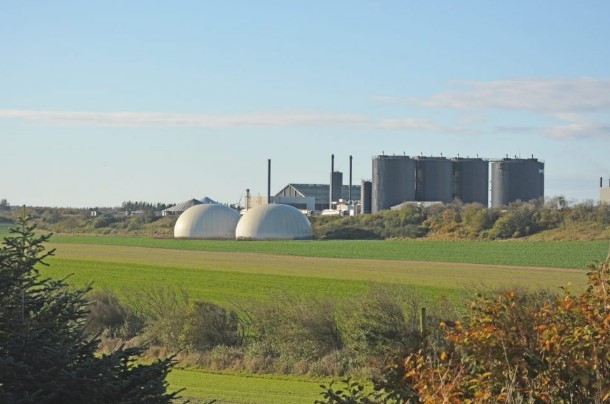
Biogas technology has become an important solution for converting organic waste into renewable energy while reducing environmental pollution. Agricultural farms, food processing factories, municipal wastewater treatment plants, and industrial facilities generate large quantities of organic waste that can be processed through anaerobic digestion. However, developing an efficient biogas project requires more than installing a digester. It involves feedstock assessment, process design, equipment selection, gas treatment, system integration, and long-term operational management.
Professional biogas expert engineering services help project owners address these technical challenges and develop biogas facilities that meet their energy, environmental, and operational requirements. From initial feasibility studies to plant commissioning and performance optimization, experienced engineering teams can support projects at every stage.
What Are Biogas Expert Engineering Services?
Biogas expert engineering services cover the technical planning, design, construction support, commissioning, and optimization of biogas production systems. These services help ensure that each facility is designed according to its feedstock characteristics, expected gas output, site conditions, and intended energy applications.
A typical biogas engineering project may include:
Feedstock analysis and feasibility studies
Anaerobic digester selection and process design
Biogas production and gas storage calculations
Gas cleaning and upgrading system design
Equipment selection and process automation
Electrical and mechanical engineering
Plant installation and commissioning support
Operational monitoring and troubleshooting
The engineering requirements differ depending on whether the project processes agricultural waste, industrial organic residues, or municipal wastewater sludge.
1. Biogas Engineering Services for Agricultural Projects
Agricultural operations are important sources of organic materials for biogas production. Livestock farms, poultry facilities, and crop-processing businesses generate manure and other biodegradable residues that can be converted into renewable energy.
Livestock Manure Treatment
Cow dung and other animal manure are commonly used as feedstocks in agricultural biogas plants. Anaerobic digestion allows microorganisms to break down organic matter in an oxygen-free environment, producing methane-rich biogas.
Engineering teams evaluate daily manure availability, solids content, organic loading rate, and expected gas production before determining digester capacity. These factors help establish a suitable feeding system and digestion process.
Crop Residue and Agricultural Waste
Crop residues, food waste, and other organic materials can sometimes be combined with animal manure through co-digestion. This approach may improve feedstock utilization and increase the amount of organic material processed by a plant.
However, different feedstocks have different biodegradability and nutrient characteristics. Engineering assessments help determine suitable mixing ratios and identify potential operational risks, such as excessive organic loading or poor digestion stability.
Biogas Utilization on Farms
Biogas produced by agricultural facilities can be used for heating, cooking, or electricity generation through suitable equipment. Larger facilities may use combined heat and power (CHP) systems to generate electricity while recovering useful heat.
Professional engineering services help match biogas production with actual energy demand, reducing unnecessary gas losses and improving overall system efficiency.
2. Biogas Engineering Services for Industrial Projects
Industrial facilities generate various organic by-products that may be suitable for anaerobic digestion. These include food processing residues, beverage production wastewater, starch waste, dairy wastewater, and other biodegradable industrial effluents.
Industrial biogas projects often require customized engineering because feedstock characteristics can vary significantly between production processes.
Food and Beverage Processing
Food factories may generate wastewater containing sugars, fats, proteins, and other biodegradable substances. Anaerobic digestion can reduce organic pollution while producing biogas for energy recovery.
Engineering specialists evaluate wastewater flow rates, chemical oxygen demand (COD), temperature, pH, and organic loading. Based on these parameters, they can recommend suitable anaerobic treatment technologies.
Industrial Wastewater Treatment
Some industrial wastewater streams contain high concentrations of biodegradable organic matter. Anaerobic treatment can help reduce the organic load before subsequent treatment stages.
Depending on wastewater characteristics and discharge requirements, a project may use anaerobic reactors such as UASB systems or other suitable digestion technologies.
Energy Recovery and Cost Reduction
Industrial biogas can be used in boilers, thermal processes, or CHP units when gas quality and energy requirements are compatible. This can reduce dependence on conventional fuels and improve resource efficiency.
Biogas engineering services help integrate gas production with existing industrial utilities, including gas storage, pressure regulation, gas treatment, and energy recovery equipment.
3. Biogas Engineering Services for Wastewater Treatment Plants
Municipal wastewater treatment plants generate sewage sludge during the treatment process. This sludge contains organic matter that can be stabilized through anaerobic digestion.
Biogas recovery offers wastewater facilities an opportunity to reduce sludge volume and generate renewable energy.
Sludge Digestion System Design
The design of a sludge digestion system depends on sludge quantity, organic content, solids concentration, and required stabilization performance.
Engineering specialists assess these parameters to determine digester volume, retention time, heating requirements, mixing systems, and sludge feeding arrangements.
Biogas Collection and Treatment
Raw biogas from wastewater digesters generally contains methane, carbon dioxide, water vapor, and hydrogen sulfide. Before utilization, it may require moisture removal and desulfurization.
The gas treatment process should be selected according to the intended application. For example, gas used in a CHP engine may require different treatment specifications from gas intended for upgrading into biomethane.
Integration with Existing Facilities
Wastewater treatment plants often have established pumping systems, sludge handling equipment, electrical infrastructure, and process control systems. Integrating anaerobic digestion into an existing facility requires careful engineering coordination.
A professional engineering team can assess the available infrastructure and develop an integration plan that minimizes operational disruption.
4. Key Technical Areas in Biogas Plant Engineering
Regardless of the project type, several technical areas determine the performance and reliability of a biogas facility.
Feedstock Analysis and Process Design
Feedstock characteristics directly affect biogas production and digestion stability. Important parameters include total solids (TS), volatile solids (VS), chemical oxygen demand (COD), pH, and carbon-to-nitrogen ratio.
Accurate feedstock assessment helps engineers select appropriate digestion technologies and determine operating conditions.
Anaerobic Digester Design
The digester is the central component of a biogas production system. Its design must account for daily feedstock input, hydraulic retention time, organic loading rate, temperature, and mixing requirements.
Common technologies include fixed-dome digesters, continuously stirred tank reactors (CSTR), covered lagoons, and high-rate anaerobic reactors. The most appropriate design depends on the feedstock and project scale.
Biogas Cleaning and Upgrading
Raw biogas may contain hydrogen sulfide, moisture, and other impurities that can damage downstream equipment or reduce gas quality.
Depending on the application, gas treatment may include:
Moisture removal
Hydrogen sulfide removal
Particulate filtration
Carbon dioxide separation
Gas compression and pressure regulation
For projects producing biomethane, additional upgrading processes are required to increase methane concentration and meet applicable gas-quality specifications.
Automation and Process Monitoring
Automated monitoring helps operators maintain stable digestion conditions and identify problems before they affect production.
Important process parameters include temperature, pH, feedstock flow, gas pressure, gas production rate, and biogas composition. Monitoring these parameters supports better process control and more effective troubleshooting.
5. The Importance of Biogas Analysis and Gas Monitoring
Biogas composition is an important indicator of digestion performance and gas utilization suitability. Regular measurement helps operators understand changes in the biological process and identify potential equipment or operational problems.
The main gases commonly monitored include:
Methane (CH4): The primary combustible component and an important indicator of fuel quality.
Carbon dioxide (CO2): A non-combustible component that affects the energy content of biogas.
Hydrogen sulfide (H2S): A corrosive and toxic gas that may damage engines, pipelines, and other equipment.
Oxygen (O2): Can indicate unwanted air entering the biogas system.

the GASCHEK1000 portable biogas analyzer
For routine field measurements, the GASCHEK1000 portable biogas analyzer can measure CH4, CO2, H2S, and O2, with CO available as an optional measurement. It provides a practical tool for checking gas composition at different points in a biogas facility.
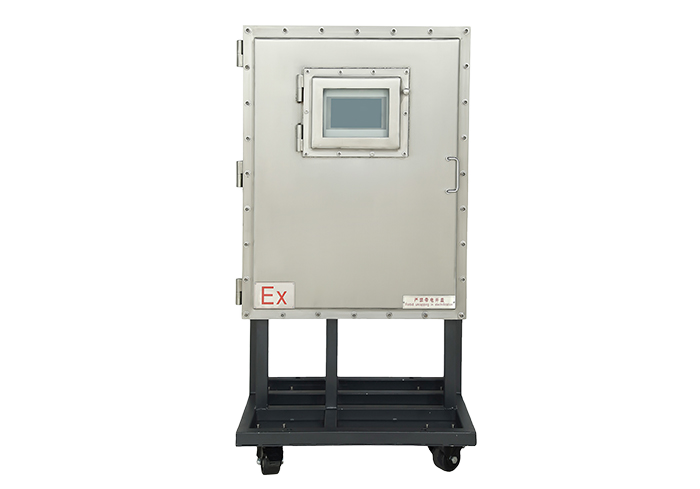
the OLGA2000 online biogas monitoring system
For facilities requiring continuous measurement, the OLGA2000 online biogas monitoring system can monitor key gas components and support remote data transmission. This allows operators to track gas-quality changes and obtain information for operational management.
Integrating reliable gas analysis equipment into a biogas project can improve process visibility and support more informed maintenance and operational decisions.
6. Benefits of Hiring Professional Biogas Engineering Specialists
Working with experienced biogas engineering specialists provides several advantages for project developers and facility operators.
Better Project Planning
Feasibility studies and technical assessments help identify feedstock availability, energy demand, site conditions, and potential investment risks before construction begins.
Improved System Efficiency
Proper digester sizing, feedstock management, and gas treatment design can help improve biogas production and utilization.
Reduced Operational Risks
Engineering support helps identify potential problems related to process instability, corrosion, gas leakage, and equipment compatibility.
Customized Technical Solutions
Agricultural farms, industrial facilities, and wastewater treatment plants have different feedstock characteristics and operating requirements. Professional engineering services help adapt the system to the actual application.
Long-Term Operational Support
Commissioning, operator training, maintenance planning, and performance monitoring can help facilities maintain stable operation over time.
7. How to Choose the Right Biogas Engineering Service Provider
Selecting an experienced engineering partner is an important step in developing a successful biogas project. Before making a decision, project owners should evaluate several factors.
First, review the provider’s experience with similar feedstocks and applications. A company experienced in agricultural manure digestion may not necessarily have the same expertise in high-strength industrial wastewater treatment.
Second, examine its technical capabilities. A qualified provider should understand anaerobic digestion, gas treatment, process automation, mechanical equipment, and energy recovery.
Third, ask about its approach to gas analysis and process monitoring. Reliable measurement of methane, carbon dioxide, hydrogen sulfide, and oxygen helps operators evaluate gas quality and plant performance.
Finally, consider whether the provider can offer support throughout the project lifecycle, including feasibility studies, engineering design, installation guidance, commissioning, operator training, and ongoing technical assistance.
Advanced biogas expert engineering services are essential for developing efficient and reliable agricultural, industrial, and wastewater biogas projects. Through feedstock evaluation, digester design, gas treatment, process automation, and performance monitoring, engineering specialists help transform organic waste into valuable renewable energy.
For project developers, choosing a qualified engineering partner can improve project planning, reduce technical risks, and support long-term plant performance. Combined with suitable gas analysis and online monitoring equipment, professional engineering solutions can help biogas facilities achieve more stable operation, better resource utilization, and stronger environmental benefits.
About ChekVan Tech
Since the foundation of Chekvan Tech, it has endeavored to be an qualified manufacturer and supplier of portable biogas analyzers, online biogas monitoring system, fixed gas detectors for biogas plants around the world. We also develop and builds microflow biogas analyzer and gas blender for universities and researching facilities on biogas research.
To learn more, please don’t hesitate to contact us via email at sales@chekvan.com, or visit our website at www.chekvan.com.

