
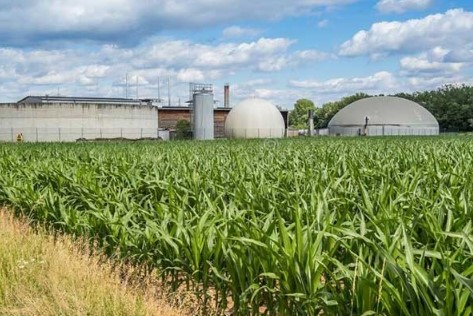
Hydrogen sulfide (H₂S) is one of the most challenging impurities in biogas production systems. Although present in relatively small concentrations, it can cause serious operational problems such as corrosion, equipment damage, and reduced energy efficiency. For this reason, effective gas biogas hydrogen sulfide removal is essential for maintaining stable and efficient digester operation.
Modern biogas plants—whether agricultural, industrial, or municipal—must integrate both removal technologies and real-time monitoring to ensure gas quality and system reliability.
Why Hydrogen Sulfide Must Be Removed
Hydrogen sulfide is produced during anaerobic digestion when sulfur-containing organic compounds break down. While natural in biogas, it poses multiple risks:
1. Corrosion of Equipment
H₂S reacts with moisture to form sulfuric acid, which can corrode:
Gas pipelines
Engines and CHP units
Storage tanks
Valves and fittings
2. Reduced Energy Efficiency
High H₂S levels can damage combustion systems and reduce generator efficiency.
3. Safety and Environmental Concerns
Hydrogen sulfide is toxic and has a strong odor, requiring careful handling and monitoring.
Key Strategies for Hydrogen Sulfide Removal
Effective removal of H₂S can be achieved through biological, chemical, and physical methods. Many modern systems combine multiple approaches for best results.
1. Biological Desulfurization
This method uses microorganisms to convert H₂S into elemental sulfur.
Common approaches include:
Air or oxygen injection into the digester headspace
Biofilters using sulfur-oxidizing bacteria
Packed-bed biological scrubbers
This is widely used due to its low cost and environmental friendliness.
2. Chemical Scrubbing
Chemical methods remove H₂S using reactive substances such as:
Iron salts
Activated carbon impregnated with chemicals
Alkali solutions
These systems are highly effective for reducing high H₂S concentrations.
3. Adsorption Techniques
Activated carbon or iron oxide media can adsorb hydrogen sulfide from biogas streams.
Advantages include:
Simple operation
High removal efficiency
Suitable for small and medium systems
4. Process Optimization at Digester Level
Reducing H₂S formation at the source is often the most efficient strategy:
Adjusting feedstock sulfur content
Controlling digester pH
Maintaining stable temperature conditions
Avoiding overloading organic input
Importance of Monitoring Hydrogen Sulfide Levels
Continuous monitoring is essential to ensure that removal systems are working effectively. Without proper measurement, H₂S levels may rise unnoticed, leading to equipment damage or process instability.
This is where gas analysis technology becomes critical.
Role of the GASCHEK1000 Portable Biogas Analyzer
The GASCHEK1000 portable biogas analyzer provides a practical and reliable solution for monitoring hydrogen sulfide and other key biogas components.

The GASCHEK1000 portable biogas analyzer
Using advanced photoelectric sensing technology, the GASCHEK1000 measures:
Hydrogen sulfide (H₂S)
Methane (CH₄)
Carbon dioxide (CO₂)
Oxygen (O₂)
Key Benefits in H₂S Management
The GASCHEK1000 helps operators:
Track hydrogen sulfide concentration in real time
Verify the effectiveness of removal systems
Identify sudden increases in H₂S levels
Support preventive maintenance decisions
Improve overall digester safety and efficiency
Its portable and battery-powered design makes it ideal for field inspections, enabling operators to test multiple points across a biogas facility quickly and accurately.
Optimizing Digester Performance Through H₂S Control
Effective hydrogen sulfide management directly improves digester performance by:
Extending equipment lifespan
Reducing maintenance costs
Improving gas combustion quality
Enhancing overall system efficiency
Increasing energy output reliability
When combined with proper monitoring tools, removal strategies become significantly more effective.
Applications Across Biogas Systems
Hydrogen sulfide removal is essential in:
Agricultural biogas plants
Wastewater treatment facilities
Landfill gas recovery systems
Food waste digestion plants
Industrial organic waste energy systems
In all cases, maintaining low H₂S levels ensures safe and efficient operation.
Effective gas biogas hydrogen sulfide removal is essential for protecting equipment, improving energy efficiency, and ensuring stable digester operation. By combining biological, chemical, and adsorption-based methods, operators can significantly reduce H₂S levels and enhance overall system performance.
The GASCHEK1000 portable biogas analyzer plays a crucial role in this process by providing accurate, real-time monitoring of hydrogen sulfide and other key gases. With reliable data, operators can optimize removal strategies, prevent system damage, and maintain efficient renewable energy production.
About ChekVan Tech
Since the foundation of Chekvan Tech, it has endeavored to be an qualified manufacturer and supplier of portable biogas analyzers, online biogas monitoring system, fixed gas detectors for biogas plants around the world. We also develop and builds microflow biogas analyzer and gas blender for universities and researching facilities on biogas research.
To learn more, please don’t hesitate to contact us via email at sales@chekvan.com, or visit our website at www.chekvan.com.

