
As the global demand for renewable energy continues to grow, biogas has emerged as a valuable source of sustainable power. Produced through the anaerobic digestion of organic materials such as agricultural waste, food waste, livestock manure, and wastewater sludge, biogas can be used for heating, electricity generation, and biomethane production. However, maximizing the energy potential of biogas requires accurate gas biogas methane content measurement.
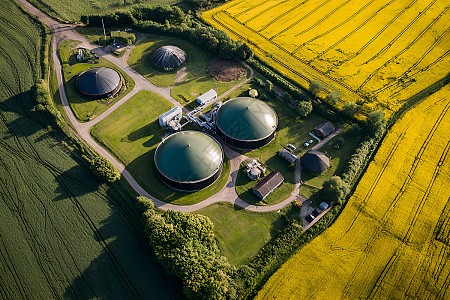
Methane (CH₄) is the primary combustible component of biogas and directly determines its energy value. By monitoring methane concentration, operators can optimize digester performance, improve energy recovery, and ensure efficient plant operation.
Why Methane Content Matters in Biogas Production
Biogas typically contains:
Methane (CH₄): 50–75%
Carbon dioxide (CO₂): 25–50%
Hydrogen sulfide (H₂S): Trace amounts
Oxygen (O₂): Very low concentrations
Other trace gases
Among these components, methane is the key indicator of biogas quality. Higher methane concentrations translate into:
Greater energy output
Improved combustion efficiency
Better biomethane upgrading performance
Increased economic returns from renewable energy production
Regular methane content measurement enables operators to track process performance and make informed operational decisions.
The Relationship Between Methane Content and Digester Performance
Methane production reflects the overall health of the anaerobic digestion process. Changes in methane concentration often indicate shifts in microbial activity or feedstock quality.
High Methane Levels
Stable and elevated methane concentrations generally indicate:
Efficient organic matter breakdown
Healthy microbial populations
Proper operating conditions
Maximum renewable energy generation
Low Methane Levels
A decline in methane concentration may signal:
Digester overloading
Temperature fluctuations
Nutrient imbalances
Inhibitory substances in the feedstock
Process instability
Early detection allows corrective action before energy production is significantly affected.
Benefits of Accurate Methane Measurement
Improved Energy Efficiency
Knowing the exact methane concentration helps operators maximize the performance of generators, boilers, and combined heat and power (CHP) systems.
Better Process Optimization
Methane data can be used to adjust:
Feedstock composition
Organic loading rates
Retention time
Mixing strategies
Temperature control
These adjustments contribute to higher gas yields and more stable operation.
Reduced Operating Costs
Identifying inefficiencies early minimizes downtime, reduces maintenance expenses, and prevents unnecessary energy losses.
Enhanced Safety
Monitoring methane alongside oxygen and hydrogen sulfide helps maintain safe operating conditions throughout the biogas system.
The Role of the GASCHEK1000 Portable Biogas Analyzer
Accurate methane measurement requires reliable instrumentation. The GASCHEK1000 portable biogas analyzer is designed to provide fast and precise gas analysis for a wide range of biogas applications.
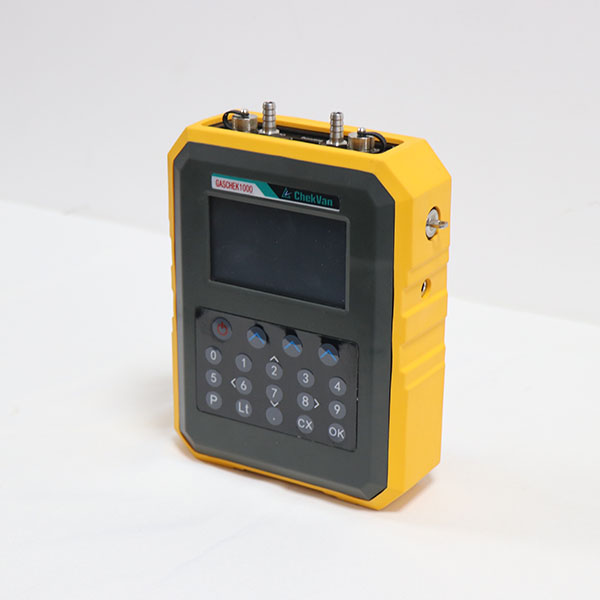
The GASCHEK1000 portable biogas analyzer
Using advanced photoelectric sensing technology, the GASCHEK1000 can measure:
Methane (CH₄)
Carbon dioxide (CO₂)
Oxygen (O₂)
Hydrogen sulfide (H₂S)
The analyzer delivers real-time data that enables operators to evaluate gas quality and optimize digestion performance.
Key Features of the GASCHEK1000
High-accuracy methane measurement
Portable and battery-powered design
Rapid response time for field testing
User-friendly operation
Suitable for agricultural, industrial, and municipal biogas facilities
Reliable monitoring for maintenance and troubleshooting
Because it can be easily transported between sampling points, the GASCHEK1000 is particularly valuable for routine inspections and on-site performance assessments.
Applications of Methane Content Measurement
Agricultural Biogas Plants
Livestock manure and crop residues can produce varying methane concentrations depending on feedstock quality. Regular monitoring helps maximize energy recovery.
Food Waste Digesters
Food waste composition can fluctuate significantly. Methane measurement helps maintain stable digestion and prevent process disruptions.
Wastewater Treatment Facilities
Biogas generated from sludge digestion is an important renewable energy source. Monitoring methane content ensures efficient utilization.
Landfill Gas Recovery
Methane analysis helps evaluate gas recovery efficiency and supports environmental compliance.
Biomethane Upgrading Projects
Accurate methane measurement is essential for determining feed gas quality before upgrading to pipeline-grade biomethane.
Best Practices for Methane Monitoring
To obtain reliable results:
Conduct measurements regularly
Monitor long-term methane trends
Calibrate analyzers according to manufacturer recommendations
Record and analyze operational data
Combine methane measurements with temperature, pH, and loading rate monitoring
A comprehensive monitoring strategy provides the information needed for continuous process improvement.
Accurate gas biogas methane content measurement is fundamental to optimizing renewable energy production. Methane concentration serves as a key indicator of digester health, gas quality, and overall system efficiency. By continuously monitoring methane levels, operators can improve energy output, reduce operating costs, and enhance process stability.

The GASCHEK1000 portable biogas analyzer
The GASCHEK1000 portable biogas analyzer provides a practical and highly accurate solution for methane measurement and comprehensive biogas analysis. With its advanced sensing technology and portable design, it helps operators make informed decisions that maximize renewable energy recovery and support the long-term success of biogas projects.
About ChekVan Tech
Since the foundation of Chekvan Tech, it has endeavored to be an qualified manufacturer and supplier of portable biogas analyzers, online biogas monitoring system, fixed gas detectors for biogas plants around the world. We also develop and builds microflow biogas analyzer and gas blender for universities and researching facilities on biogas research.
To learn more, please don’t hesitate to contact us via email at sales@chekvan.com, or visit our website at www.chekvan.com.

