
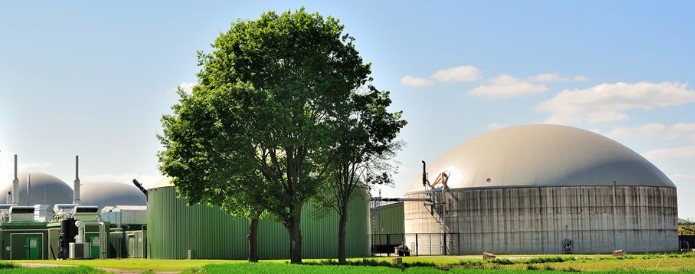
Biogas production has become an increasingly important component of renewable energy strategies worldwide. Whether generated from agricultural waste, food waste, wastewater sludge, or organic industrial residues, the efficiency of a biogas system depends heavily on maintaining optimal digestion conditions. One of the most effective ways to evaluate and improve digester performance is through gas biogas composition analysis.
By continuously monitoring the composition of biogas, operators can gain valuable insights into the health of the digestion process, identify potential problems early, and maximize methane production.
What Is Gas Biogas Composition Analysis?
Gas biogas composition analysis refers to the measurement and evaluation of the various gases present in biogas. The primary components typically include:
Methane (CH₄) – the main energy-producing gas
Carbon dioxide (CO₂) – a non-combustible gas that reduces energy content
Hydrogen sulfide (H₂S) – a corrosive gas that can damage equipment
Oxygen (O₂) – an indicator of air intrusion or system leakage
Trace gases such as hydrogen and ammonia
The concentration of these gases provides important information about digester efficiency, gas quality, and system stability.
Why Biogas Composition Matters
Biogas quality directly impacts energy production and equipment reliability.
Methane Content
Methane is the most valuable component of biogas. Higher methane concentrations generally indicate efficient digestion and greater energy potential.
Benefits of monitoring methane include:
Optimizing energy generation
Evaluating feedstock effectiveness
Detecting process disruptions early
Carbon Dioxide Levels
Carbon dioxide reduces the heating value of biogas. Monitoring CO₂ helps operators assess overall gas quality and determine whether process adjustments are needed.
Hydrogen Sulfide Monitoring
Hydrogen sulfide is highly corrosive and can damage:
Combined heat and power (CHP) units
Gas pipelines
Compressors
Biogas upgrading equipment
Maintaining H₂S within acceptable limits can significantly extend equipment lifespan.
Oxygen Detection
Oxygen should be minimal in properly functioning anaerobic digesters. Elevated oxygen levels may indicate:
Air leaks
Faulty seals
Sampling system issues
Early detection helps maintain safe operating conditions.
How Composition Analysis Improves Digester Performance
Regular gas analysis allows operators to make informed operational decisions.
Optimize Feedstock Management
Changes in methane and carbon dioxide levels can reveal how effectively microorganisms are breaking down organic materials.
Operators can adjust:
Feedstock composition
Loading rates
Moisture content
Retention time
to improve gas production.
Detect Process Instability
Unexpected changes in gas composition often signal process disturbances before they become major problems.
Early intervention can prevent:
Reduced gas output
Digester souring
Microbial inhibition
Costly downtime
Improve Energy Efficiency
Accurate gas composition data helps maximize methane yield and optimize the performance of biogas-powered equipment.
The Role of the GASCHEK1000 Portable Biogas Analyzer
Reliable gas composition analysis requires accurate measurement equipment. The GASCHEK1000 portable biogas analyzer is specifically designed to provide fast and precise monitoring of biogas quality in the field.

The GASCHEK1000 portable biogas analyzer
The analyzer measures key biogas components including:
Methane (CH₄)
Carbon dioxide (CO₂)
Oxygen (O₂)
Hydrogen sulfide (H₂S)
Using advanced photoelectric sensing technology, the GASCHEK1000 delivers accurate real-time results that help operators evaluate digester performance and optimize process conditions.
Key advantages include:
Portable and battery-powered design
Rapid on-site measurements
High measurement accuracy
User-friendly operation
Suitable for agricultural, industrial, and municipal biogas applications
The ability to quickly assess gas quality allows operators to identify inefficiencies and take corrective action before productivity is affected.
Applications Across Biogas Industries
Gas biogas composition analysis is essential in a wide range of renewable energy applications:
Agricultural Biogas Plants
Monitor methane production from livestock manure and crop residues.
Food Waste Digesters
Optimize digestion conditions for highly variable organic feedstocks.
Wastewater Treatment Facilities
Track gas quality from sludge digestion systems.
Landfill Gas Recovery Projects
Evaluate methane recovery efficiency and gas utilization potential.
Biomethane Upgrading Facilities
Ensure feed gas quality prior to upgrading and purification.
Best Practices for Effective Gas Monitoring
To achieve the most reliable results:
Perform regular gas composition measurements
Monitor trends rather than isolated readings
Calibrate analyzers according to manufacturer recommendations
Record and analyze historical data
Combine gas analysis with other process parameters such as pH and temperature
A comprehensive monitoring strategy helps maintain stable and efficient operation.
Understanding gas biogas composition analysis is essential for achieving efficient digester performance and maximizing renewable energy production. Monitoring methane, carbon dioxide, oxygen, and hydrogen sulfide provides valuable insight into digestion health, gas quality, and equipment protection.
The GASCHEK1000 portable biogas analyzer offers a practical and accurate solution for on-site gas monitoring, enabling operators to optimize digestion processes, improve methane yields, and extend equipment lifespan. As the biogas industry continues to grow, reliable gas composition analysis will remain a cornerstone of efficient and sustainable biogas production.
About ChekVan Tech
Since the foundation of Chekvan Tech, it has endeavored to be an qualified manufacturer and supplier of portable biogas analyzers, online biogas monitoring system, fixed gas detectors for biogas plants around the world. We also develop and builds microflow biogas analyzer and gas blender for universities and researching facilities on biogas research.
To learn more, please don’t hesitate to contact us via email at sales@chekvan.com, or visit our website at www.chekvan.com.

