
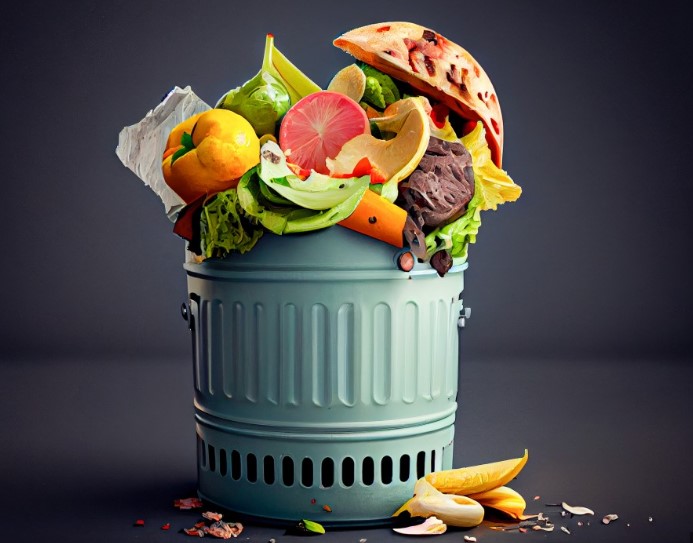
A biogas home system is an excellent investment for households seeking a sustainable source of clean energy. By converting kitchen waste, animal manure, and other organic materials into biogas, homeowners can reduce energy costs while minimizing environmental impact. However, like any energy system, a biogas installation requires regular maintenance to ensure reliable performance and maximize equipment lifespan.
Proper maintenance not only improves gas production efficiency but also helps prevent costly repairs and unexpected downtime. Here are some essential biogas home system maintenance tips to keep your system operating at its best for years to come.
Why Maintenance Matters
A home biogas system consists of several components, including the digester, gas storage unit, pipelines, valves, and appliances. Over time, factors such as feedstock variations, gas impurities, and environmental conditions can affect system performance.
Regular maintenance helps:
- Maintain stable biogas production
- Prevent gas leaks and safety hazards
- Reduce corrosion and equipment wear
- Improve methane yield
- Extend the lifespan of critical components
A proactive maintenance schedule can significantly increase the return on investment of a home biogas system.
1. Feed the Digester Consistently
One of the most important maintenance practices is maintaining a consistent feeding routine.
To support healthy microbial activity:
Add organic waste regularly rather than in large batches
Avoid introducing plastics, metals, or non-biodegradable materials
Maintain an appropriate water-to-waste ratio
Avoid excessive amounts of oils, chemicals, or detergents
Consistent feeding prevents process shocks and supports stable gas production.
2. Inspect for Gas Leaks
Even small gas leaks can reduce system efficiency and create safety concerns.
Regularly inspect:
Gas pipes
Connections and fittings
Valves and regulators
Gas storage bags or tanks
If a leak is suspected, repair it immediately to avoid gas losses and maintain safe operation.
3. Monitor Slurry and Digester Conditions
The digester should be checked periodically to ensure proper operation.
Important factors include:
Slurry consistency
Inlet and outlet flow conditions
Blockages in feed or discharge channels
Excess sediment buildup
Removing accumulated solids when necessary helps maintain effective digestion and prolongs equipment life.
4. Protect Equipment from Corrosion
Hydrogen sulfide (H₂S), a common component of biogas, can cause corrosion in pipelines, valves, and appliances.
To minimize damage:
Use corrosion-resistant materials where possible
Inspect metal components regularly
Replace worn parts before failures occur
Monitor H₂S levels in the biogas
Controlling corrosive gases can significantly extend equipment lifespan.
5. Regularly Analyze Biogas Quality
Monitoring gas composition provides valuable information about system performance and can identify problems before they become serious.

The GASCHEK1000 portable biogas analyzer
The GASCHEK1000 portable biogas analyzer is an effective tool for routine biogas monitoring. Designed for field use, it provides accurate measurements of key gases, including:
Methane (CH₄)
Carbon dioxide (CO₂)
Oxygen (O₂)
Hydrogen sulfide (H₂S)
With its advanced photoelectric sensing technology, the GASCHEK1000 delivers fast and reliable real-time gas analysis. Homeowners, installers, and maintenance technicians can use the analyzer to:
Verify methane production levels
Detect oxygen intrusion
Monitor hydrogen sulfide concentrations
Evaluate overall digester performance
Optimize system operation
Regular gas quality analysis helps identify process imbalances early and supports long-term equipment protection.
6. Maintain Gas Appliances
Biogas stoves, heaters, and other appliances should also be inspected regularly.
Recommended practices include:
Cleaning burner ports
Checking flame quality
Inspecting gas hoses
Replacing damaged seals and fittings
Well-maintained appliances operate more efficiently and consume less fuel.
7. Keep Accurate Maintenance Records
Recording maintenance activities helps identify trends and improve system management.
Track:
Feeding schedules
Gas production levels
Maintenance inspections
Repairs and replacements
Gas analysis results
Good record-keeping makes troubleshooting easier and supports preventive maintenance planning.
Long-Term Benefits of Proper Maintenance
A well-maintained biogas home system offers several long-term advantages:
Higher energy production efficiency
Reduced maintenance costs
Improved safety
Longer equipment lifespan
Greater reliability and performance
These benefits make routine maintenance a critical part of sustainable biogas operation.
Regular maintenance is essential for maximizing the lifespan and performance of a biogas home system. Consistent feeding practices, leak inspections, corrosion control, and routine equipment checks all contribute to reliable operation and efficient gas production.
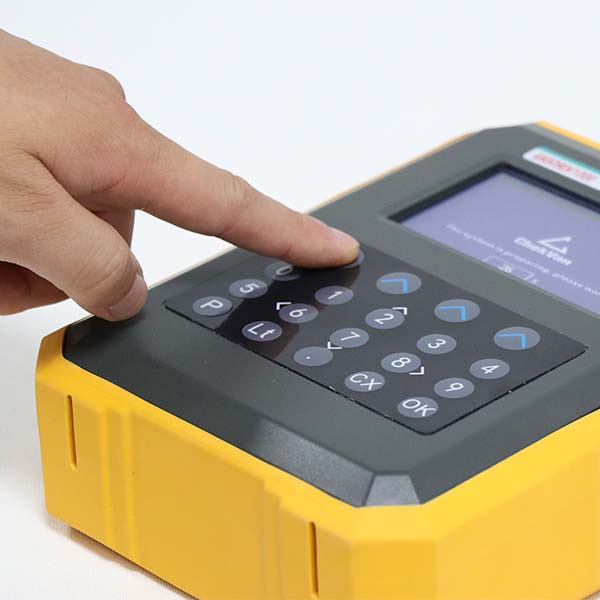
Tools such as the GASCHEK1000 portable biogas analyzer provide valuable insight into gas quality and digester health, helping users detect issues early and optimize system performance. By following a structured maintenance program, homeowners can enjoy clean, renewable energy while protecting their investment for many years to come.
About ChekVan Tech
Since the foundation of Chekvan Tech, it has endeavored to be an qualified manufacturer and supplier of portable biogas analyzers, online biogas monitoring system, fixed gas detectors for biogas plants around the world. We also develop and builds microflow biogas analyzer and gas blender for universities and researching facilities on biogas research.
To learn more, please don’t hesitate to contact us via email at sales@chekvan.com, or visit our website at www.chekvan.com.

