
Biogas has become a key renewable energy source for industrial sectors such as wastewater treatment, agriculture, food processing, and landfill gas recovery. However, raw biogas contains impurities that must be removed before it can be efficiently used for power generation or upgraded into biomethane. Understanding gas biogas purification methods is essential for ensuring high-quality, safe, and efficient energy production.
Industrial-scale biogas purification focuses on improving methane concentration while removing contaminants such as hydrogen sulfide (H₂S), carbon dioxide (CO₂), moisture, and trace gases.
Why Biogas Purification Is Necessary
Raw biogas cannot be directly used in most industrial energy systems due to its impurities. Without proper purification, it can cause:
Corrosion of pipelines and engines
Reduced combustion efficiency
Equipment failure and higher maintenance costs
Safety risks due to toxic or reactive gases
Lower energy output due to diluted methane content
Purification ensures that biogas meets the quality standards required for industrial use.
Key Gas Biogas Purification Methods
1. Hydrogen Sulfide Removal (Desulfurization)
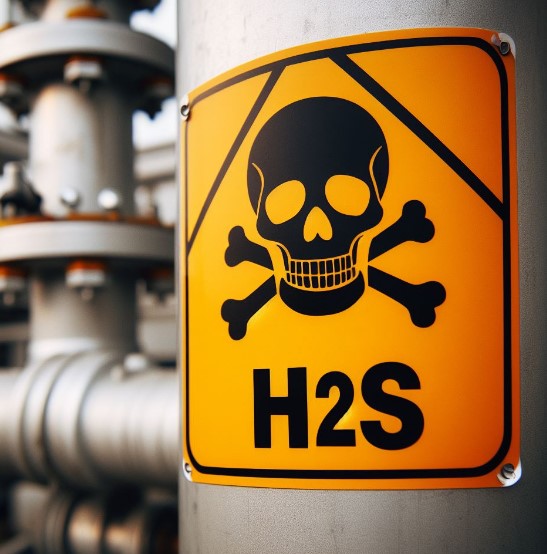
Hydrogen sulfide is one of the most harmful impurities in biogas. It must be removed to protect equipment and improve gas quality.
Common methods include:
Biological desulfurization using bacteria to convert H₂S into elemental sulfur
Activated carbon adsorption for chemical binding of sulfur compounds
Iron oxide filters that react with H₂S to form stable solids
Chemical scrubbing systems for high-capacity industrial plants
2. Carbon Dioxide Removal (CO₂ Upgrading)
Removing carbon dioxide increases methane concentration and improves energy content.
Industrial techniques include:
Water scrubbing systems
Pressure swing adsorption (PSA)
Membrane separation technology
Chemical absorption using amine solutions
These processes are commonly used in biomethane production plants.
3. Moisture Removal (Drying Systems)
Water vapor in biogas can lead to corrosion and pipeline blockages.
Drying methods include:
Cooling and condensation systems
Refrigeration dryers
Desiccant-based drying units
Proper moisture control enhances system reliability.
4. Oxygen Control and Leak Prevention
Although biogas should be oxygen-free, small amounts may enter due to system leaks.
Control strategies include:
Leak detection and sealing
Pressure monitoring systems
Controlled air injection in biological desulfurization zones
Maintaining anaerobic conditions is essential for safety and efficiency.
5. Multi-Stage Purification Systems
Modern industrial plants often combine several purification methods into a single system to achieve high-quality biomethane.
A typical setup may include:
Desulfurization unit
CO₂ removal system
Drying unit
Gas compression and storage
This integrated approach ensures consistent gas quality.
Importance of Gas Monitoring in Purification Processes
Accurate monitoring of gas composition is essential for evaluating the effectiveness of purification systems. Without proper analysis, operators cannot determine whether methane recovery and contaminant removal are optimized.
This is where portable gas analyzers play an important role.
Role of the GASCHEK1000 Portable Biogas Analyzer

The GASCHEK1000 portable biogas analyzer
The GASCHEK1000 portable biogas analyzer is a reliable tool for industrial biogas monitoring and process optimization. It uses advanced photoelectric sensing technology to measure key biogas components, including:
Methane (CH₄)
Carbon dioxide (CO₂)
Oxygen (O₂)
Hydrogen sulfide (H₂S)
Key Benefits in Purification Systems
The GASCHEK1000 helps operators:
Evaluate the effectiveness of purification stages
Detect gas composition changes in real time
Identify system inefficiencies or leaks
Optimize methane recovery rates
Support maintenance and troubleshooting in the field
Its portable and battery-powered design makes it especially useful for on-site industrial inspections and multi-point sampling across large facilities.
Applications in Industrial Biogas Systems
Gas biogas purification methods are widely applied in:
Wastewater treatment plants
Agricultural anaerobic digesters
Landfill gas recovery systems
Food processing waste plants
Biomethane upgrading facilities
Each application requires tailored purification strategies depending on gas composition and system scale.
Benefits of Effective Biogas Purification
Proper implementation of purification methods provides several advantages:
Higher methane concentration and energy output
Reduced corrosion and maintenance costs
Improved safety and operational stability
Compliance with industrial gas quality standards
Increased economic value of biogas resources
Understanding gas biogas purification methods is essential for efficient industrial biogas production. Techniques such as hydrogen sulfide removal, carbon dioxide separation, and moisture control ensure that raw biogas is upgraded into a clean and usable energy source.
The GASCHEK1000 portable biogas analyzer plays a vital role in this process by providing accurate, real-time gas composition data. With reliable monitoring, operators can optimize purification systems, improve methane recovery, and ensure safe and efficient industrial biogas operations.
About ChekVan Tech
Since the foundation of Chekvan Tech, it has endeavored to be an qualified manufacturer and supplier of portable biogas analyzers, online biogas monitoring system, fixed gas detectors for biogas plants around the world. We also develop and builds microflow biogas analyzer and gas blender for universities and researching facilities on biogas research.
To learn more, please don’t hesitate to contact us via email at sales@chekvan.com, or visit our website at www.chekvan.com.
 Manufacturer of biogas analyzer, landfill gas analyzer and extraction monitor, anaerobic digester gas analyzer