
The biogas production efficiency of anaerobic digestion of agricultural waste is highly dependent on precise monitoring of process parameters. This paper systematically discusses key optimization strategies including feedstock pretreatment, digestion temperature, mixing, and retention time, and focuses on the technical characteristics and application value of the GASCHEK1000 portable biogas analyzer as a process monitoring tool. The instrument uses a laser sensor to detect CH₄and can simultaneously measure O2, CO2, H2S and other components. It offers over 19 hours of battery life and storage capacity for 360,000 data sets, providing a practical means for routine inspection and process tuning of farm-scale digesters.
1 Introduction
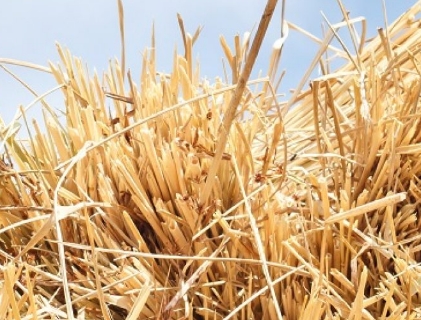
Agricultural waste—including livestock and poultry manure, crop straw, and agro-processing residues—can be converted into biogas through anaerobic digestion, a mature pathway for waste resource recovery and clean rural energy. However, gas production efficiency is constrained by multiple factors: imbalanced carbon-to-nitrogen ratios in feedstock can cause acidification inhibition, temperature fluctuations can significantly reduce methanogen activity, and insufficient mixing leads to stratification and dead zones. Timely detection and correction of these problems depend on continuous monitoring of digester gas composition and yield.
Although conventional laboratory analysis offers high accuracy, it suffers from sampling delays and high costs. The emergence of portable gas analyzers enables operators to obtain key gas data on site in real time, providing a basis for process adjustments. As a portable biogas analyzer designed for anaerobic digestion scenarios, the GASCHEK1000’s technical characteristics align well with the practical needs of agricultural waste treatment.
2 Key Aspects of Anaerobic Digestion Process Optimization
2.1 Feedstock Pretreatment and Ratio Control
The biogas potential of agricultural waste varies by type. The carbon-to-nitrogen ratio of livestock manure is typically low (about 6–15:1), while that of straw-like materials can reach 50–80:1. Mixing the two in appropriate proportions can adjust the feed C/N ratio to the suitable range of 20–30:1 for anaerobic digestion. In addition, the lignocellulosic structure of straw requires mechanical crushing to increase specific surface area and shorten the hydrolysis stage. For high-solids feedstock, dilution water volume and inoculum sludge ratio must also be considered to maintain total solids concentration within a reasonable range in the digester.
2.2 Stable Control of Temperature and Retention Time
Anaerobic digestion is extremely sensitive to temperature fluctuations. Mesophilic digestion (35–38°C) and thermophilic digestion (50–55°C) each have applicable scenarios, but regardless of the temperature range chosen, daily fluctuation should be controlled within ±1°C. A sudden temperature change exceeding 2–3°C can lead to volatile fatty acid accumulation and reduced gas production. Hydraulic retention time must be set according to feedstock degradation characteristics: easily degradable livestock manure typically requires 20–30 days, while straw-based materials with high fiber content may require more than 40 days. Insufficient retention time results in feedstock being discharged before full conversion, while excessive retention reduces volumetric gas production rate.
2.3 Mixing Strategy and Inhibitor Monitoring
Moderate mixing aids mass transfer and temperature uniformity, but excessive mixing can disrupt the symbiotic aggregate structure of methanogens. In practice, intermittent mixing—several times daily for a few minutes each—is preferable to continuous operation. More critically, real-time perception of inhibitors is essential. When ammonia nitrogen concentration exceeds 3000 mg/L, gas production is significantly inhibited. Hydrogen sulfide not only corrodes equipment but its concentration changes also indirectly reflect fluctuations in digestion status. Rapid on-site acquisition of these indicators is a prerequisite for timely interventions such as dilution, feed adjustment, or additive dosing.
3 Application of GASCHEK1000 in Digestion Process Monitoring
3.1 Technical Characteristics and Operational Adaptability
The GASCHEK1000 uses photoelectric sensor principles and can simultaneously detect methane (CH4), oxygen (O2), carbon dioxide (CO2), and hydrogen sulfide (H2S). The CH4 channel uses a laser sensor, ensuring response speed and reading stability. The instrument features a built-in high-capacity lithium battery with over 19 hours of continuous operation, sufficient to cover a daily inspection cycle for a farm’s digester cluster. The resistive touchscreen supports gloved operation, adapting to field working conditions. Storage capacity for 360,000 data sets and QR code scanning for identification enable multi-point, long-term monitoring records without relying on manual paper records.
3.2 Gas Quality Assessment and Process Diagnosis
In optimization practice, CH4 concentration is the core indicator for judging digestion efficiency. Under normal mesophilic digester operation, CH4 content typically ranges from 55% to 70%. If CH4 concentration continues to decline while CO2 proportion rises, it often indicates acidification tendency or excessive feed load, requiring reduced feed input or alkalinity supplementation. H2S readings reflect the activity of sulfate-reducing bacteria and the decomposition of proteinaceous feedstock; when excessively high, consideration should be given to adding iron salt precipitants or adjusting feedstock ratios. Unexpected O2 detection may indicate pipeline leaks or air infiltration—both a safety issue and a gas quality issue.
Another advantage of portable analyzers is their multi-point comparison capability. Gas data differences between different sampling ports of the same digester, or between different digesters on the same farm, can help locate mixing dead zones, leak points, or localized acidification areas. This spatial diagnostic information is difficult for fixed online monitoring systems to provide.
3.3 Data Accumulation and Long-term Optimization

the GASCHEK1000 portable biogas analyzer
Process tuning of anaerobic digestion is essentially an experience accumulation process. Gas production responses under different feedstock formulations and seasonal temperature conditions require continuous recording and retrospective analysis to form reliable judgments. The data storage and transmission functions of the GASCHEK1000 enable structured preservation of these records; combined with analysis software, periodic patterns in gas production fluctuations or correlations with operational events can be identified. For farm biogas stations lacking dedicated technical personnel, this low-barrier data collection approach has practical feasibility. According to user feedback, the instrument has demonstrated good durability and battery life in farm waste treatment scenarios, with accuracy meeting routine process monitoring needs.
The optimization of anaerobic digestion of agricultural waste is not about a single disruptive technology, but about continuous refined management of multiple factors including feedstock, temperature, mixing, and inhibitors. The value of portable gas analyzers lies in transforming key parameters that previously required laboratory submission into operational evidence obtainable on site in real time. With its multi-gas simultaneous detection, long battery life, and data recording capabilities, the GASCHEK1000 provides a practical tool for routine monitoring of farm-scale digesters. When operators can see subtle changes in CH4 concentration daily and understand their meaning, process optimization shifts from reactive response to proactive regulation, and the biogas yield of agricultural waste can approach its theoretical potential under existing hardware conditions.
About ChekVan Tech
Since the foundation of Chekvan Tech, it has endeavored to be an qualified manufacturer and supplier of portable biogas analyzers, online biogas monitoring system, fixed gas detectors for biogas plants around the world. We also develop and builds microflow biogas analyzer and gas blender for universities and researching facilities on biogas research.
To learn more, please don’t hesitate to contact us via email at sales@chekvan.com, or visit our website at www.chekvan.com.

