
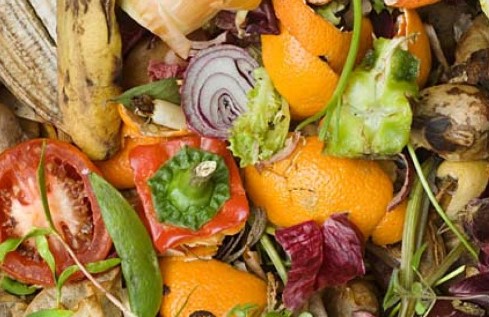
Organic waste is a valuable resource that can be converted into renewable energy through modern waste-treatment technologies. Food scraps, agricultural residues, animal manure, and organic wastewater can all serve as feedstocks for biogas production. Instead of sending these materials to landfills or treating them only as waste, facilities can use anaerobic digestion to recover energy and support more sustainable waste management.
Biogas from organic waste treatment offers several benefits, including renewable energy generation, reduced organic waste volumes, improved resource recovery, and potential reductions in greenhouse gas emissions. Understanding the production process, treatment requirements, and gas monitoring methods is essential for developing an efficient biogas project.
What Is Biogas from Organic Waste Treatment?
Biogas is a combustible gas produced when microorganisms break down biodegradable organic matter in an oxygen-free environment. This process is known as anaerobic digestion.
The main components of biogas are methane (CH₄) and carbon dioxide (CO₂). It may also contain hydrogen sulfide (H₂S), water vapor, oxygen, and trace gases, depending on the feedstock and process conditions.
Methane provides the energy value of biogas. The gas can be used in suitable boilers, engines, combined heat and power systems, and other energy applications. With additional purification, biogas can also be upgraded to biomethane for applications requiring a higher methane concentration.
Common organic waste sources include:
Food waste from households, restaurants, and food-processing plants
Animal manure from livestock farms
Agricultural residues and biodegradable crop waste
Organic wastewater from industrial facilities
Sewage sludge from wastewater treatment plants
Organic waste from markets and commercial kitchens
Selecting suitable feedstock is the first step toward establishing a reliable biogas production system.
Key Processes in Biogas Production from Organic Waste
1. Organic Waste Collection and Pretreatment
The production process begins with collecting and preparing organic waste for digestion.
Pretreatment requirements depend on the type of feedstock. Food waste may require sorting, grinding, and removing packaging or other contaminants. Agricultural residues may need size reduction, while liquid organic waste may require screening or adjustment of solids content.
Feedstock preparation helps create a more consistent material for anaerobic digestion and reduces the risk of operational problems.
Operators should also evaluate the organic content, moisture level, contamination, and biodegradability of the incoming waste. These characteristics influence digester design and expected gas production.
2. Anaerobic Digestion
Prepared organic waste is introduced into an anaerobic digester, where microorganisms break down the material without oxygen.
The biological process generally involves four stages:
Hydrolysis: Complex organic materials are broken down into simpler compounds.
Acidogenesis: The simpler compounds are converted into organic acids and other intermediate products.
Acetogenesis: Intermediate compounds are converted into substances such as acetate, hydrogen, and carbon dioxide.
Methanogenesis: Methanogenic microorganisms produce methane from suitable intermediate compounds.
Temperature, pH, organic loading rate, retention time, and mixing conditions can all affect digester performance.
Stable operating conditions help microorganisms function effectively and support consistent biogas production.
3. Raw Biogas Collection
The biogas generated inside the digester is collected through a gas-handling system.
This system may include gas pipes, condensate traps, pressure-control equipment, storage facilities, and safety devices.
Raw biogas should be handled according to appropriate safety procedures because it is combustible and may contain toxic hydrogen sulfide.
Gas collection equipment must be designed for the expected gas flow, pressure, moisture conditions, and composition.
4. Biogas Purification and Treatment
Raw biogas often requires treatment before it can be used reliably.
Common treatment steps include:
Hydrogen sulfide removal: H₂S can cause corrosion and damage downstream equipment. Depending on its concentration and the application, treatment may use activated carbon, iron-based media, biological desulfurization, or other suitable technologies.
Moisture removal: Water vapor can condense in pipes and equipment. Cooling, condensate separation, and gas drying may be used to control moisture.
Carbon dioxide removal: For applications requiring higher methane concentration, CO₂ can be removed through technologies such as membrane separation, pressure swing adsorption, water scrubbing, or chemical absorption.
Not every project needs the same treatment configuration. The required purification level depends on the final gas application and relevant equipment or regulatory specifications.
5. Digestate Management
Anaerobic digestion produces both biogas and digestate. Digestate contains residual organic matter, water, and nutrients such as nitrogen and phosphorus.
After appropriate treatment and verification of its quality, digestate may be used as a soil amendment or fertilizer where permitted. Its management plan should account for nutrient content, potential contaminants, storage, transportation, and local environmental requirements.
Effective digestate management helps improve the overall resource efficiency of organic waste treatment.
Major Benefits of Biogas from Organic Waste Treatment
Renewable Energy Production
One of the primary advantages of biogas is that it converts biodegradable waste into a usable energy source.
The methane in biogas can provide heat or power in suitable systems. Combined heat and power units can produce electricity while recovering useful heat, improving overall energy utilization when there is demand for both.
Improved Waste Management
Organic waste can create odor, leachate, and other environmental challenges when managed improperly. Anaerobic digestion provides a controlled treatment route that can reduce the amount of biodegradable material requiring further disposal.
It can also help municipalities, farms, and food-processing facilities integrate waste treatment with energy recovery.
Potential Greenhouse Gas Reductions
When designed and operated effectively, biogas projects can reduce greenhouse gas emissions by capturing methane that might otherwise escape from decomposing organic waste.
The overall climate benefit depends on factors such as feedstock sourcing, methane leakage, energy consumption, digestate management, and the energy source being replaced.
Leak prevention and appropriate process monitoring are therefore important parts of a sustainable biogas project.
Resource Recovery and Circular Economy
Biogas systems can recover both energy and nutrients from organic materials.
Methane provides an energy resource, while properly managed digestate may return nutrients to agricultural soils. This supports a circular-economy approach in which waste materials are converted into useful products rather than simply discarded.
Potential Cost Savings
Facilities that generate and use their own biogas may reduce purchases of conventional fuels or electricity. Some projects may also benefit from lower waste-disposal costs or revenue from energy sales.
Actual savings depend on project scale, feedstock availability, equipment costs, energy prices, operating expenses, and applicable incentives.
Applications of Biogas Produced from Organic Waste
Agricultural and Livestock Operations
Farms can use manure and suitable agricultural residues to produce biogas. The gas may supply heat, generate electricity, or support combined heat and power systems.
Digestate may also provide a source of plant nutrients when it meets applicable requirements.
Food Processing and Commercial Kitchens
Food manufacturers, restaurants, supermarkets, and commercial kitchens generate biodegradable waste that can be suitable for anaerobic digestion.
On-site or centralized systems can help manage organic waste while recovering energy for heating, electricity, or other suitable uses.
Municipal Wastewater Treatment
Wastewater treatment plants can digest sewage sludge and capture the resulting biogas.
Depending on gas quantity and quality, the biogas may be used to provide heat or electricity for plant operations, potentially reducing the facility’s external energy requirements.
Industrial Wastewater Treatment
Industries such as food and beverage manufacturing may produce wastewater with high concentrations of biodegradable organic matter.
Anaerobic treatment can help reduce organic pollution loads while generating biogas. System design must account for wastewater characteristics, potential inhibitors, and required effluent quality.
Biomethane Production
For projects requiring a higher-quality renewable gas, raw biogas can be upgraded to biomethane by removing most of the CO₂ and controlling other impurities.
Biomethane may be suitable for gas-grid injection, vehicle fuel, or industrial applications when it meets the relevant technical and regulatory requirements.
The Importance of Biogas Composition Monitoring
Biogas composition provides valuable information about digestion performance and gas-treatment requirements.
Methane concentration helps indicate the energy content of the gas. CO₂ measurements help characterize raw biogas and assess upgrading performance. H₂S measurements are important for evaluating corrosion risks and the effectiveness of desulfurization equipment. Oxygen measurements can also support process checks and safety management.
Regular analysis helps operators identify changes in gas composition and investigate possible operating issues.

The GASCHEK1000 portable biogas analyzer
The GASCHEK1000 portable biogas analyzer uses advanced photoelectric sensing principles to detect and analyze methane (CH₄), oxygen (O₂), carbon dioxide (CO₂), hydrogen sulfide (H₂S), and other gases. Its portable design supports on-site gas measurements at biogas facilities.
Operators can use the GASCHEK1000 for raw biogas checks, digester performance assessment, gas purification inspections, commissioning, and routine maintenance. These measurements provide useful information for understanding gas quality and supporting operational decisions.
How to Improve Biogas Production Efficiency
Improving biogas production requires attention to both the biological process and the gas-handling system.
Key practices include:
1.Maintain consistent feedstock quality. Remove unsuitable contaminants and avoid sudden changes in feedstock composition.
2.Control digester conditions. Monitor temperature, pH, mixing, organic loading, and retention time.
3.Prevent process overload. Excessive organic loading can lead to acid accumulation and reduced methane production.
4.Monitor gas composition. Track methane, CO₂, and H₂S to identify changes that may require investigation.
5.Maintain purification equipment. Inspect filters, moisture-removal systems, desulfurization units, and other gas-treatment components.
6.Check for leaks. Regular inspections help reduce methane loss and improve safety.
7.Use energy efficiently. Match gas production and utilization where possible, and evaluate whether recovered heat can serve useful purposes.
Combining process data with gas-composition measurements gives operators a more complete understanding of system performance.
Biogas from organic waste treatment provides an effective way to combine waste management with renewable energy recovery. Through feedstock pretreatment, anaerobic digestion, gas collection, purification, and digestate management, biodegradable materials can be transformed into useful energy while supporting resource recovery.
The most suitable process depends on feedstock characteristics, project scale, desired energy application, and environmental requirements. Reliable gas monitoring is also essential for evaluating gas quality and maintaining efficient operation.
The GASCHEK1000 portable biogas analyzer helps operators measure key gas components, including CH₄, CO₂, O₂, and H₂S, supporting field inspections, process assessment, and routine maintenance.
By combining appropriate digestion technology, effective gas treatment, and regular monitoring, facilities can improve the performance of organic waste treatment systems and make better use of biogas as a renewable energy resource.
About ChekVan Tech
Since the foundation of Chekvan Tech, it has endeavored to be an qualified manufacturer and supplier of portable biogas analyzers, online biogas monitoring system, fixed gas detectors for biogas plants around the world. We also develop and builds microflow biogas analyzer and gas blender for universities and researching facilities on biogas research.
To learn more, please don’t hesitate to contact us via email at sales@chekvan.com, or visit our website at www.chekvan.com.

