
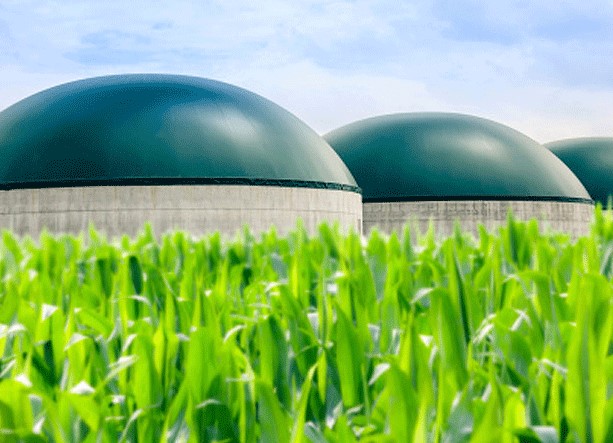
Biogas is an important renewable energy source generated through the anaerobic digestion of organic materials such as animal manure, agricultural residues, food waste, sewage, and other biodegradable feedstocks. However, raw biogas contains methane together with carbon dioxide, hydrogen sulfide, moisture, and other impurities.
A biogas to biomethane purification system removes unwanted components and increases methane concentration, allowing the upgraded gas to be used in a wider range of energy applications. Choosing the right purification system requires consideration of plant capacity, raw biogas composition, required biomethane quality, operating conditions, and project economics.
What Is a Biogas to Biomethane Purification System?
A biogas to biomethane purification system is a combination of gas-treatment technologies designed to remove contaminants from raw biogas and produce higher-quality biomethane.
A typical system may include:
H₂S removal
Moisture removal
CO₂ separation
Gas filtration
Gas compression
Final gas polishing
Gas quality monitoring
The exact configuration depends on the characteristics of the feed gas and the intended application of the biomethane.
Why Project Scale Matters
A purification system that works well for a small agricultural digester may not be suitable for a large industrial biomethane plant.
Project scale affects:
Raw biogas flow rate
Equipment capacity
Gas storage requirements
Compressor size
Automation requirements
Energy consumption
Maintenance requirements
Capital investment
Therefore, system selection should begin with a realistic assessment of current and expected biogas production.
Small-Scale Biogas to Biomethane Projects
Small-scale projects are commonly found on farms, small livestock operations, food-processing sites, and decentralized waste-treatment facilities.
These facilities generally produce a relatively limited amount of biogas and may prioritize simple operation and manageable maintenance.
Suitable Purification Requirements
A small system may include basic H₂S removal, moisture separation, filtration, and a compact CO₂ upgrading unit.
Depending on the required biomethane specification, technologies such as membrane separation or other compact upgrading solutions may be considered.
Important Selection Factors
For small projects, operators should pay particular attention to:
Compact equipment design
Simple operation
Low energy consumption
Easy maintenance
Appropriate gas-processing capacity
Reliable gas-quality measurement
Oversizing the purification system can increase investment and operating costs without providing corresponding benefits.
Medium-Scale Biomethane Projects
Medium-scale facilities may process biogas from multiple digesters or larger quantities of agricultural, municipal, food-processing, or wastewater feedstocks.
At this scale, purification systems generally require more comprehensive process integration.
The system may include:
Multi-stage H₂S removal
Gas drying
CO₂ separation
Gas compression
Automated valves
Process control
Gas storage
Continuous or regular gas monitoring
Membrane separation, PSA, water scrubbing, and chemical absorption are among the technologies that may be considered for CO₂ removal.
Technology selection should be based on gas flow, feed composition, required methane recovery, biomethane quality, and operating costs.
Large-Scale Biomethane Plants
Large-scale plants require high-capacity purification and upgrading systems capable of processing substantial volumes of raw biogas.
These projects may involve:
Multiple digesters
Large gas collection systems
Advanced desulfurization
High-capacity CO₂ removal
Gas drying and polishing
Compressors
Gas storage
Automated control systems
Advanced gas-quality monitoring
At this scale, system integration becomes particularly important. The purification system must work efficiently with the digester, gas storage, compression equipment, and final biomethane utilization or distribution system.
Comparing Major Purification Technologies
Membrane Separation
Membrane systems separate gases according to their permeability through specialized membranes.
They can provide a compact upgrading solution and are available in configurations suitable for different plant capacities. Methane recovery, membrane staging, feed-gas quality, and pretreatment requirements should all be considered.
Pressure Swing Adsorption
PSA technology uses adsorbent materials to selectively remove certain components from biogas.
It can achieve effective CO₂ removal but generally requires appropriate compression and control equipment. Feed-gas pretreatment is also important for protecting the adsorbent materials.
Water Scrubbing
Water scrubbing uses the higher solubility of CO₂ in water compared with methane.
This technology can be suitable for certain medium- and large-scale applications, although water management and pumping requirements need to be considered.
Chemical Absorption
Chemical absorption uses a liquid solvent to selectively absorb CO₂ from biogas.
It can provide high purification performance but may involve additional equipment for solvent management and regeneration.
H₂S Removal Should Not Be Overlooked
Although CO₂ removal receives significant attention during biomethane upgrading, H₂S treatment is equally important.
Hydrogen sulfide can be corrosive and may cause problems for compressors, upgrading equipment, engines, and other downstream components.
Depending on the raw biogas concentration, treatment may involve biological desulfurization, activated carbon, iron-based media, chemical treatment, or other suitable methods.
Regular H₂S measurement helps determine whether the treatment system is operating as expected.
Gas Quality Monitoring and Purification Performance
Reliable gas analysis is essential when selecting and operating a biogas to biomethane purification system.
Operators need to understand the composition of raw biogas before selecting equipment. During operation, gas measurements can also help identify changes in feedstock conditions, digester performance, or purification efficiency.
The GASCHEK1000 portable biogas analyzer uses advanced photoelectric sensing principles to detect and analyze methane (CH₄), carbon dioxide (CO₂), oxygen (O₂), hydrogen sulfide (H₂S), and other gases.

The GASCHEK1000 portable biogas analyzer
Its portable design makes it suitable for field measurements at different locations within a biogas facility. Operators can use it for raw biogas checks, H₂S monitoring, purification-system inspections, commissioning, troubleshooting, and routine maintenance.
Consider Methane Recovery
A purification system should not only produce high-quality biomethane but also minimize unnecessary methane losses.
Methane recovery should therefore be considered when comparing different technologies.
A system with excellent CO₂ removal but significant methane losses may reduce the overall energy efficiency and economic performance of the project.
The evaluation should consider:
Methane concentration
Methane recovery rate
CO₂ removal efficiency
Energy consumption
Gas losses
Maintenance requirements
Equipment lifetime
Match the System to the Final Application
The required purification level depends on how the biomethane will be used.
For example, gas intended for certain industrial applications may have different quality requirements from biomethane intended for vehicle fuel or injection into a natural gas network.
Before purchasing equipment, project developers should identify:
Raw biogas composition
Expected gas flow
Target methane concentration
Required contaminant limits
Final gas application
Local regulatory requirements
Available utilities
Maintenance capabilities
This information provides a technical basis for selecting an appropriate purification system.
Capital Cost vs. Operating Cost
The initial equipment price should not be the only consideration.
A complete evaluation should include:
Equipment purchase
Installation
Civil works
Electrical systems
Gas compression
Energy consumption
Consumables
Maintenance
Replacement components
Labor
Gas losses
A system with a higher initial investment may have lower energy consumption or maintenance costs, while a lower-cost system may require more frequent replacement of consumables.
Lifecycle cost analysis can therefore provide a more useful basis for technology selection.
Why Accurate Gas Data Matters
Biogas composition can change according to feedstock type, organic loading rate, temperature, retention time, and digester operating conditions.
For this reason, purification equipment should not be selected using assumptions alone.
Portable gas analysis can provide practical information before and after purification. The GASCHEK1000 can help operators measure CH₄, CO₂, O₂, and H₂S at different stages, providing useful data for evaluating gas quality and identifying operational changes.
Choosing the right biogas to biomethane purification system requires more than selecting a CO₂ removal technology. Project developers need to consider plant scale, raw biogas composition, H₂S concentration, gas flow, target biomethane quality, methane recovery, energy consumption, maintenance, and final gas utilization.
Small-scale plants may benefit from compact and relatively simple systems, while medium- and large-scale facilities generally require more advanced purification, compression, automation, and monitoring.
Reliable gas analysis is an important part of this process. The GASCHEK1000 portable biogas analyzer provides convenient measurement of CH₄, CO₂, O₂, and H₂S, helping operators evaluate raw biogas quality, monitor purification performance, and support routine maintenance.
By matching purification technology to actual project requirements and continuously monitoring gas quality, biogas producers can improve methane recovery and make better use of organic waste as a renewable energy resource.
About ChekVan Tech
Since the foundation of Chekvan Tech, it has endeavored to be an qualified manufacturer and supplier of portable biogas analyzers, online biogas monitoring system, fixed gas detectors for biogas plants around the world. We also develop and builds microflow biogas analyzer and gas blender for universities and researching facilities on biogas research.
To learn more, please don’t hesitate to contact us via email at sales@chekvan.com, or visit our website at www.chekvan.com.

