
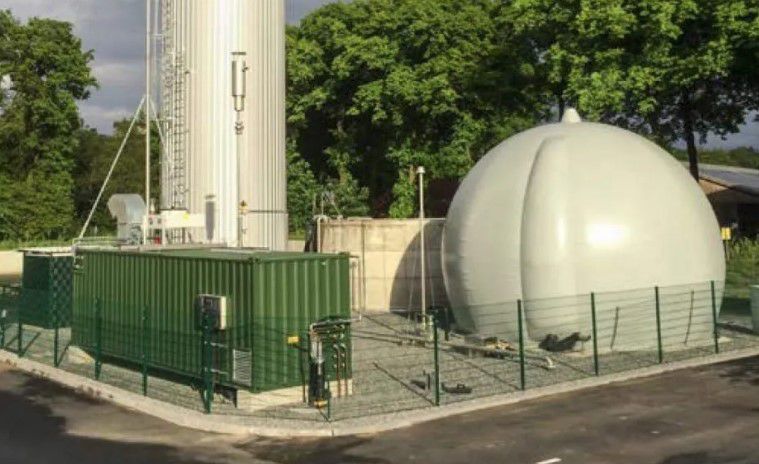
Biogas is an important renewable energy source produced through the anaerobic digestion of organic materials such as agricultural waste, animal manure, food waste, sewage, and other biodegradable feedstocks. However, raw biogas typically contains methane along with carbon dioxide, hydrogen sulfide, water vapor, and other trace gases. This composition can limit its direct use in some energy applications.
Biogas to biomethane technology provides a solution by removing unwanted components and increasing the methane concentration of the gas. The resulting biomethane has properties similar to natural gas and can be used in a wider range of applications, depending on local regulations and gas-quality requirements.
What Is Biogas to Biomethane Technology?
Biogas to biomethane technology refers to a series of processes used to purify and upgrade raw biogas into high-quality biomethane.
Raw biogas commonly contains approximately 50–70% methane, with carbon dioxide making up much of the remaining gas. The exact composition depends on the feedstock and anaerobic digestion conditions.
The upgrading process generally includes several stages:
Hydrogen sulfide removal
Moisture removal
Carbon dioxide separation
Removal of other contaminants
Final gas polishing
Biomethane quality monitoring
The objective is to increase methane concentration while minimizing methane losses and meeting the quality requirements of the intended application.
Why Upgrade Biogas to Biomethane?
Raw biogas can be used directly in certain boilers, engines, CHP systems, and other applications. However, upgrading expands its potential uses.
Biomethane can potentially be used for:
Renewable natural gas production
Vehicle fuel
Industrial heating
Electricity and heat generation
Gas grid injection where permitted
On-site energy applications
By converting biogas into biomethane, organic waste can become a more versatile renewable gas resource.
Key Steps in the Biogas Upgrading Process
1. Raw Biogas Pretreatment
Before CO₂ removal, contaminants in raw biogas usually need to be controlled.
Hydrogen sulfide is particularly important because it is corrosive and can damage downstream equipment. Moisture can also cause operational and corrosion problems.
Pretreatment may therefore include H₂S removal, moisture separation, filtration, and other contaminant-control processes.
2. Carbon Dioxide Removal
Carbon dioxide does not provide the same energy value as methane, so removing CO₂ increases the methane concentration of the gas.
Several technologies can be used, including:
Membrane separation
Pressure swing adsorption
Water scrubbing
Chemical absorption
The appropriate technology depends on factors such as plant capacity, raw gas composition, required biomethane quality, methane recovery, energy consumption, and project economics.
3. Gas Drying and Polishing
After the main upgrading stage, additional treatment may be necessary to meet the requirements of the final application.
Gas drying can reduce water vapor, while polishing systems may remove residual contaminants. The final treatment configuration should be selected according to the required biomethane specification.
How Biomethane Technology Improves Renewable Energy Utilization
Higher Energy Value
Removing a large proportion of CO₂ increases the methane concentration of the gas. This creates a higher-quality renewable fuel that can be used in applications where raw biogas may not be suitable.
Greater Flexibility
Biomethane can potentially be compressed, transported, stored, or injected into suitable gas infrastructure. This gives renewable gas producers more options for utilizing the energy contained in organic waste.
Better Waste-to-Energy Integration
Biomethane production connects waste management with renewable energy production. Agricultural residues, manure, food-processing waste, and wastewater can be converted into useful energy while also producing digestate that may have agricultural applications after appropriate treatment.
Reduced Dependence on Fossil Natural Gas
Where biomethane is suitable for use as a natural-gas substitute, it can provide an additional source of renewable gas and potentially reduce reliance on fossil-based gas supplies.
The Importance of Biogas Composition Monitoring
Successful upgrading depends heavily on understanding the composition of the raw biogas.
Methane concentration indicates the energy content of the gas, while CO₂ concentration affects the upgrading requirement. H₂S is important for equipment protection, and oxygen measurements can provide useful information for process and safety management.
Regular gas analysis can therefore support both digester management and biomethane upgrading.
The GASCHEK1000 portable biogas analyzer uses advanced photoelectric sensing principles to detect and analyze methane (CH₄), oxygen (O₂), carbon dioxide (CO₂), hydrogen sulfide (H₂S), and other gases. Its portable design makes it suitable for on-site measurements during biogas production, purification, commissioning, maintenance, and troubleshooting.
Monitoring Before and After Upgrading
Gas analysis can be performed at different stages of a biogas-to-biomethane project.
For example, operators can compare raw biogas composition with gas quality after pretreatment or upgrading. Changes in methane and CO₂ concentrations can provide useful information about upgrading performance.
H₂S measurements can also help operators evaluate whether desulfurization equipment is functioning properly.
Using portable analysis equipment such as the GASCHEK1000 can complement fixed process instrumentation by allowing technicians to conduct measurements at different locations around the facility.
Choosing the Right Biogas to Biomethane Technology
There is no universal upgrading technology for every project. Technology selection should consider:
Feedstock
Different feedstocks produce biogas with different methane, CO₂, H₂S, moisture, and contaminant levels.
Gas Production Capacity
Small agricultural facilities may require a different upgrading configuration from large centralized biomethane plants.
Required Biomethane Quality
The required gas specification depends on whether biomethane will be used for vehicle fuel, industrial applications, electricity generation, or grid injection.
Methane Recovery
Reducing methane losses during upgrading is important for maximizing renewable energy utilization and improving project economics.
Energy Consumption
Upgrading equipment consumes energy. The electricity or heat requirements should therefore be included when evaluating the overall efficiency of the project.
Maintenance Requirements
Filters, membranes, adsorbents, pumps, compressors, and other equipment may require periodic maintenance or replacement.
Supporting More Efficient Renewable Energy Systems
The value of biogas to biomethane technology extends beyond simply increasing methane concentration. It can help integrate organic waste management, renewable gas production, energy recovery, and circular-economy strategies into one system.
For example, a large agricultural operation can use manure and other organic residues to produce biogas. After purification and upgrading, the resulting biomethane can potentially be used as a renewable fuel, while the remaining digestate can be managed for agricultural use.
This approach allows more of the energy contained in organic waste to be utilized.
Biogas to biomethane technology improves renewable energy utilization by transforming raw biogas into a higher-quality renewable gas with a broader range of potential applications. Through H₂S removal, moisture control, CO₂ separation, and final gas polishing, upgrading systems can increase methane concentration and improve the usability of biogas.

The GASCHEK1000 portable biogas analyzer
Reliable gas analysis is an important part of this process. The GASCHEK1000 portable biogas analyzer provides convenient on-site measurement of CH₄, CO₂, O₂, and H₂S, helping operators understand raw biogas composition, check purification performance, and support routine plant maintenance.
As renewable gas projects continue to develop, effective upgrading technology combined with accurate gas monitoring can play an important role in improving the utilization of organic waste as a renewable energy resource.
About ChekVan Tech
Since the foundation of Chekvan Tech, it has endeavored to be an qualified manufacturer and supplier of portable biogas analyzers, online biogas monitoring system, fixed gas detectors for biogas plants around the world. We also develop and builds microflow biogas analyzer and gas blender for universities and researching facilities on biogas research.
To learn more, please don’t hesitate to contact us via email at sales@chekvan.com, or visit our website at www.chekvan.com.

