
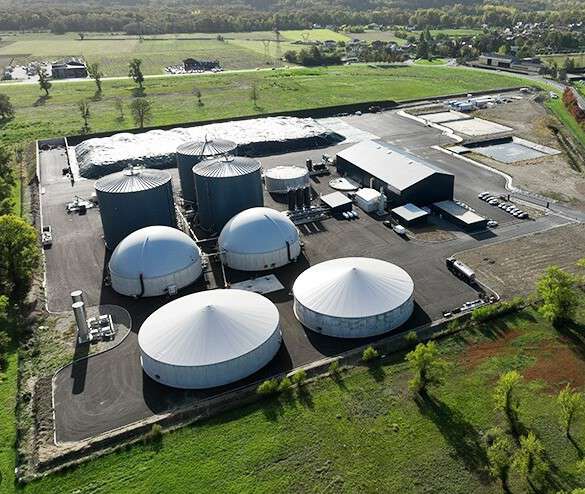
A bio gas project feasibility study is a critical first step in the development of any successful biogas facility. Whether the project is intended for agricultural waste treatment, food waste processing, wastewater management, or industrial organic waste utilization, a thorough feasibility study helps determine whether the project is technically, economically, and environmentally viable.
By identifying opportunities and potential challenges early in the planning process, developers can reduce investment risks, optimize system design, and improve the likelihood of long-term success. A comprehensive feasibility study should evaluate multiple factors that influence the performance and profitability of a biogas project.
1. Feedstock Availability and Quality
The foundation of every biogas project is a reliable supply of organic material.
A feasibility study should assess:
Types of available feedstocks
Daily and annual feedstock volumes
Seasonal variations in supply
Organic content and biodegradability
Transportation and collection logistics
Common feedstocks include livestock manure, food waste, crop residues, municipal organic waste, and wastewater sludge. Consistent feedstock availability is essential for stable biogas production and financial sustainability.
2. Biogas Production Potential
Estimating biogas yield is a key component of project evaluation.
Factors that influence gas production include:
Feedstock composition
Moisture content
Volatile solids concentration
Retention time
Digestion technology
Laboratory testing and historical operational data can help estimate expected methane production and overall energy output. Accurate projections allow developers to determine whether the project can meet energy and revenue objectives.
3. Site Selection and Infrastructure
The location of a biogas facility significantly affects project costs and operational efficiency.
Important considerations include:
Proximity to feedstock sources
Availability of utilities such as water and electricity
Transportation access
Land availability and expansion potential
Environmental and zoning requirements
A suitable site minimizes logistics costs while supporting efficient long-term operations.
4. Technology Selection
Different anaerobic digestion technologies are available depending on feedstock characteristics and project scale.
Technology evaluation should consider:
Wet or dry digestion systems
Mesophilic or thermophilic operation
Continuous or batch processing
Gas storage requirements
Automation and monitoring capabilities
The selected technology should balance performance, reliability, operational complexity, and capital cost.
5. Energy Utilization Strategy
A feasibility study must clearly define how the produced biogas will be used.
Common applications include:
Combined heat and power (CHP) generation
Industrial process heating
Biomethane upgrading
Injection into natural gas grids
Vehicle fuel production
Understanding local energy demand and market conditions helps maximize project value.
6. Gas Quality Analysis and Monitoring Requirements
A frequently overlooked aspect of a bio gas project feasibility study is the need for accurate gas quality monitoring. Understanding the expected composition of biogas is essential for equipment selection, purification system design, and energy production planning.
The GASCHEK1000 portable biogas analyzer can play an important role during both the feasibility assessment and future operation of the facility. Using advanced photoelectric sensing technology, it measures key biogas components including:
Methane (CH₄)
Carbon dioxide (CO₂)
Oxygen (O₂)
Hydrogen sulfide (H₂S)
By providing fast and accurate gas composition data, the GASCHEK1000 helps project developers:
Verify biogas production potential
Evaluate feedstock performance
Assess gas purification requirements
Estimate energy generation efficiency
Support commissioning and operational optimization
Including gas monitoring requirements in the feasibility study helps ensure that the future plant will achieve its expected performance targets.
7. Economic and Financial Analysis
Financial evaluation is one of the most important sections of a feasibility study.
Key elements include:
Capital investment requirements
Equipment and construction costs
Operating and maintenance expenses
Feedstock transportation costs
Expected energy revenues
Government incentives and subsidies
Financial indicators such as payback period, net present value (NPV), and internal rate of return (IRR) help investors assess project attractiveness.
8. Environmental Impact Assessment
Biogas projects offer significant environmental benefits, but their impacts should still be carefully evaluated.
The study should examine:
Greenhouse gas emission reductions
Waste diversion from landfills
Odor management
Water usage and wastewater generation
Digestate utilization and disposal
A strong environmental profile can improve project approval and public acceptance.
9. Regulatory and Permitting Requirements
Every biogas project must comply with local regulations and permitting processes.
Areas to review include:
Environmental permits
Construction approvals
Waste handling regulations
Air emission standards
Energy generation licensing requirements
Understanding regulatory obligations early can prevent costly delays later in the project lifecycle.
10. Risk Assessment and Mitigation
A feasibility study should identify potential technical, operational, financial, and market risks.
Common risks include:
Feedstock supply disruptions
Equipment failures
Energy price fluctuations
Regulatory changes
Operational performance issues
Developing mitigation strategies improves project resilience and investor confidence.
11. Digestate Management and By-Product Utilization
The digestate produced during anaerobic digestion can provide additional economic value.
The feasibility study should evaluate:
Nutrient content
Potential agricultural applications
Transportation and storage requirements
Local fertilizer markets
Effective digestate utilization supports circular economy objectives and improves overall project economics.
A comprehensive bio gas project feasibility study serves as the roadmap for successful project development. By carefully evaluating feedstock availability, biogas production potential, site conditions, technology options, gas monitoring requirements, financial performance, environmental impacts, and regulatory obligations, developers can make informed investment decisions and reduce project risks.

the GASCHEK1000 portable biogas analyzer
Tools such as the GASCHEK1000 portable biogas analyzer provide valuable support throughout the project lifecycle by delivering accurate measurements of methane, carbon dioxide, oxygen, and hydrogen sulfide. This information helps optimize plant design, improve operational efficiency, and maximize renewable energy production. A well-executed feasibility study ultimately ensures that a biogas project delivers sustainable environmental and economic benefits for years to come.
About ChekVan Tech
Since the foundation of Chekvan Tech, it has endeavored to be an qualified manufacturer and supplier of portable biogas analyzers, online biogas monitoring system, fixed gas detectors for biogas plants around the world. We also develop and builds microflow biogas analyzer and gas blender for universities and researching facilities on biogas research.
To learn more, please don’t hesitate to contact us via email at sales@chekvan.com, or visit our website at www.chekvan.com.

