
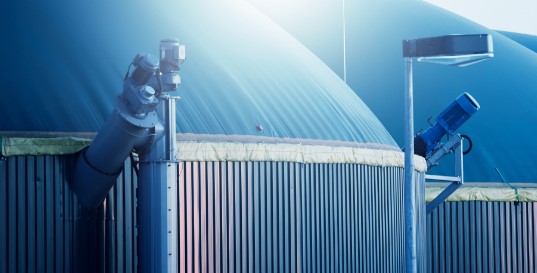
A well-designed biogas home system provides a practical and sustainable way to convert household organic waste into clean energy for cooking, heating, or small-scale electricity use. As interest in decentralized renewable energy grows, more homeowners are exploring biogas home system design as an efficient solution for energy independence and waste management. Proper planning and the right components are essential to ensure safe, stable, and efficient operation.
Understanding the Basics of a Home Biogas System
A home biogas system operates through anaerobic digestion, where organic waste such as kitchen scraps, animal manure, and plant residues is broken down by microorganisms in an oxygen-free environment. This process produces biogas, mainly composed of methane (CH₄) and carbon dioxide (CO₂), along with trace gases like hydrogen sulfide (H₂S).
The generated biogas can be used for:
Cooking and heating
Small-scale electricity generation
Fertilizer production from digested slurry
To ensure consistent performance, careful system design and monitoring are required.
Key Components of a Biogas Home System
A reliable biogas home system typically includes several essential components:
1. Digester Tank
This is the core of the system where anaerobic digestion takes place. It must be airtight and durable to maintain stable conditions for microbial activity.
2. Inlet and Outlet Chambers
The inlet allows organic waste to enter the digester, while the outlet removes digested slurry, which can be used as nutrient-rich fertilizer.
3. Gas Storage Unit
Biogas produced in the digester is stored temporarily in a gas holder or flexible gas bag before use.
4. Piping System
Gas pipes safely transport biogas from the digester to household appliances such as stoves or heaters.
5. Safety and Control Valves
These components regulate gas pressure and prevent leakage, ensuring safe operation.
Planning Tips for Efficient System Design
To ensure optimal performance, several design considerations should be taken into account:
Proper sizing of the digester based on daily organic waste input
Consistent feedstock supply to maintain stable microbial activity
Temperature control, as digestion efficiency depends on stable environmental conditions
Leak-proof construction to prevent gas loss and ensure safety
Proper ventilation and safety distance from living areas
Good planning ensures that the system operates efficiently with minimal maintenance.
Importance of Monitoring Gas Quality
Monitoring biogas composition is essential for maintaining system efficiency and safety. Variations in methane, carbon dioxide, oxygen, or hydrogen sulfide levels can indicate changes in digestion performance or potential system issues.

the GASCHEK1000 portable biogas analyzer
Biogas analyzers, such as the GASCHEK1000 portable biogas analyzer, use advanced photoelectric sensing principles to detect and analyze methane (CH₄), oxygen (O₂), carbon dioxide (CO₂), hydrogen sulfide (H₂S), and other gases, and accurately report, while effectively checking the digestive process.
By using such devices, operators can evaluate gas quality and ensure the digestion process remains stable and efficient.
Benefits of a Well-Designed Home Biogas System
A properly designed and maintained system offers several advantages:
Reduced household energy costs
Efficient recycling of organic waste
Lower environmental pollution and methane emissions
Production of organic fertilizer as a by-product
Increased energy independence for households
These benefits make biogas systems an attractive solution for sustainable living.
A reliable biogas home system design requires careful planning, the right components, and proper monitoring to ensure long-term efficiency and safety. By understanding system structure and maintaining stable operating conditions, households can successfully convert organic waste into clean, renewable energy.
Advanced monitoring tools like the GASCHEK1000 portable biogas analyzer help ensure accurate gas analysis and effective digestion control, making home biogas systems more reliable and efficient. As interest in sustainable energy grows, well-designed home biogas systems will play an increasingly important role in decentralized renewable energy solutions.
About ChekVan Tech
Since the foundation of Chekvan Tech, it has endeavored to be an qualified manufacturer and supplier of portable biogas analyzers, online biogas monitoring system, fixed gas detectors for biogas plants around the world. We also develop and builds microflow biogas analyzer and gas blender for universities and researching facilities on biogas research.
To learn more, please don’t hesitate to contact us via email at sales@chekvan.com, or visit our website at www.chekvan.com.
 Manufacturer of biogas analyzer, landfill gas analyzer and extraction monitor, anaerobic digester gas analyzer