
As renewable energy systems continue to expand globally, biogas has become a key contributor to sustainable power generation. Produced from organic waste through anaerobic digestion, biogas must be carefully monitored to ensure efficiency, safety, and stability. Recent advances in biogas analyzer sensor design are significantly improving the accuracy and reliability of gas monitoring in modern biogas plants.
The Importance of Gas Sensors in Biogas Systems
Biogas is primarily composed of methane (CH₄) and carbon dioxide (CO₂), along with trace gases such as hydrogen sulfide (H₂S) and oxygen (O₂). Each of these components plays a critical role in determining gas quality and system performance.
High-quality sensor technology is essential for:
Monitoring methane concentration for energy optimization
Detecting oxygen intrusion that may disrupt anaerobic conditions
Measuring hydrogen sulfide to prevent corrosion and equipment damage
Ensuring overall process stability in digesters
Without accurate sensors, operators cannot effectively control biogas production or maintain safe system operation.
Innovations in Biogas Analyzer Sensor Design
Modern biogas analyzer sensors have evolved significantly in recent years, focusing on improved accuracy, durability, and real-time performance. Key advancements include:
Enhanced sensitivity for detecting low concentrations of gases
Multi-gas detection capability within a single compact device
Faster response times for real-time monitoring and control
Improved resistance to humidity and harsh industrial environments
Portable integration for flexible field applications
These innovations allow operators to monitor gas composition more effectively across different stages of the biogas production process.
Advanced Photoelectric Sensing Technology
One of the most important developments in sensor design is the adoption of advanced photoelectric and optical sensing technologies. These systems improve detection accuracy and reduce long-term calibration drift.
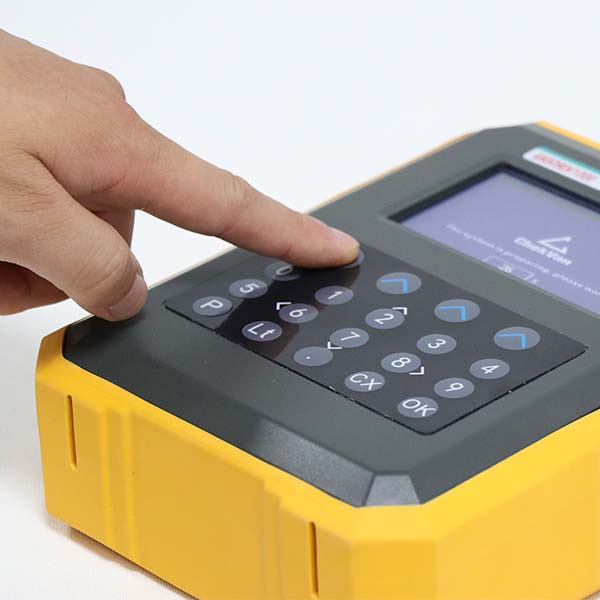
the GASCHEK1000 portable biogas analyzer
Biogas analyzers, such as the GASCHEK1000 portable biogas analyzer, use advanced photoelectric sensing principles to detect and analyze methane (CH₄), oxygen (O₂), carbon dioxide (CO₂), hydrogen sulfide (H₂S), and other gases. This allows the device to deliver accurate gas readings and effectively check the digestive process in real time.
Such technologies are particularly valuable in environments where gas composition can change rapidly due to variations in feedstock or operating conditions.
Applications in Renewable Energy Systems
Advanced biogas analyzer sensors are widely used in multiple renewable energy sectors, including:
Agricultural biogas plants using animal manure and crop residues
Municipal wastewater treatment facilities
Landfill gas recovery systems
Industrial organic waste processing plants
Biomethane upgrading facilities for grid injection
In each application, accurate sensor data ensures optimal methane production and safe system operation.
Benefits of Improved Sensor Technology
The latest advances in biogas sensor design offer several important benefits:
Higher methane yield through better process control
Improved safety by early detection of gas imbalances
Reduced maintenance costs due to reliable monitoring
Enhanced energy efficiency in biogas utilization systems
Greater adaptability across different biogas plant scales
These advantages make modern sensor-equipped analyzers indispensable tools in renewable energy operations.
Advances in biogas analyzer sensor design are playing a critical role in improving the efficiency and reliability of renewable energy systems. With enhanced accuracy, faster response times, and multi-gas detection capabilities, modern sensors enable operators to maintain stable anaerobic digestion and maximize biogas output.
Technologies like the GASCHEK1000 portable biogas analyzer, which uses advanced photoelectric sensing principles to detect key gases such as methane, oxygen, carbon dioxide, and hydrogen sulfide, demonstrate how innovation is transforming biogas monitoring. As renewable energy demand continues to rise, advanced sensor systems will remain essential for ensuring safe, efficient, and sustainable biogas production.
About ChekVan Tech
Since the foundation of Chekvan Tech, it has endeavored to be an qualified manufacturer and supplier of portable biogas analyzers, online biogas monitoring system, fixed gas detectors for biogas plants around the world. We also develop and builds microflow biogas analyzer and gas blender for universities and researching facilities on biogas research.
To learn more, please don’t hesitate to contact us via email at sales@chekvan.com, or visit our website at www.chekvan.com.

