
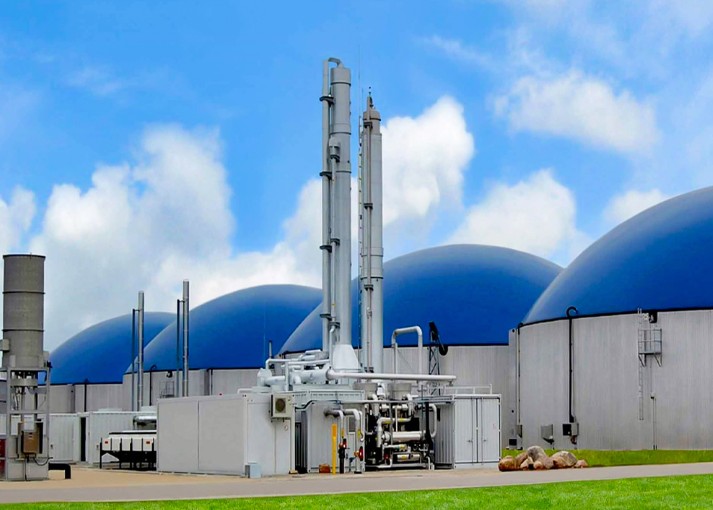
As the global focus shifts toward sustainable energy, biogas technology has transformed from a basic waste-to-energy process into a sophisticated and efficient renewable energy solution. Traditional biogas systems, while effective in converting organic waste into usable energy, often lacked precision, automation, and scalability. Today, advanced biogas systems are reshaping the energy landscape by integrating cutting-edge monitoring tools, smart automation, and improved conversion techniques.
The Evolution of Biogas Systems
Originally, biogas plants were relatively simple setups. Organic waste was deposited in digesters, where anaerobic bacteria broke it down to produce a gas mixture primarily composed of methane (CH₄) and carbon dioxide (CO₂). While the principle remains unchanged, the methods and technologies have evolved significantly.
Modern systems are designed to maximize methane yield, reduce environmental impact, and increase reliability. These advancements include improved digester designs, temperature and pH control systems, and, most importantly, real-time gas composition monitoring.
Precision Monitoring with Biogas Analyzers
One of the key components in advanced biogas systems is accurate gas monitoring. Maintaining optimal methane concentration and minimizing harmful gases like hydrogen sulfide (H₂S) are critical to efficiency and safety. That’s where advanced biogas analyzers come into play.

GASCHEK1000 portable biogas analyzer
Biogas analyzers, such as the GASCHEK1000 portable biogas analyzer, use advanced photoelectric sensing principles to detect and analyze key gas components including methane (CH₄), oxygen (O₂), carbon dioxide (CO₂), and hydrogen sulfide (H₂S). These analyzers provide precise, real-time data, allowing operators to accurately assess biogas quality while also effectively monitoring the anaerobic digestion process. This ensures that any imbalances or inefficiencies can be addressed immediately, preventing performance drops or equipment damage.
Benefits of Technological Advancement
The rise of advanced biogas systems offers numerous advantages:
Higher Methane Yields: Improved process control leads to greater gas output.
Safety Enhancements: Early detection of toxic or flammable gases reduces operational risks.
Operational Efficiency: Real-time monitoring and automation reduce labor and maintenance costs.
Remote Management: Many systems now offer remote diagnostics and data reporting, enabling smarter plant oversight.
A Greener Tomorrow
As nations and industries pursue carbon neutrality, advanced biogas systems stand out as a practical and scalable solution for managing organic waste while producing clean energy. Whether in municipal wastewater plants, agricultural settings, or food processing facilities, the integration of monitoring tools like the GASCHEK1000 ensures that these systems operate at peak performance.
By embracing technology, the biogas sector is not just keeping up with energy demands—it’s leading the way in turning waste into value.

