

As the world shifts toward more sustainable energy sources, the integration of solar power and biogas generation—known as solar-biogas hybrid systems—has emerged as an innovative and reliable solution to enhance energy security, particularly in off-grid and rural areas. These systems leverage two abundant and renewable resources: sunlight and organic waste, offering a balanced and resilient approach to clean energy generation.
The Concept of Solar-Biogas Hybrid Systems
A solar-biogas hybrid system combines photovoltaic (PV) solar panels with a biogas plant to ensure continuous power generation throughout the day and night. While solar panels capture energy during daylight hours, biogas—produced through the anaerobic digestion of organic waste—provides energy during periods when sunlight is unavailable. This synergy reduces dependence on fossil fuels and grid electricity, ensuring a stable and consistent energy supply.
Enhancing Energy Security and Sustainability
Energy security refers to the uninterrupted availability of energy sources at an affordable price. Solar-biogas hybrids contribute to this by:
Providing backup during cloudy days or nighttime when solar generation is not possible.
Utilizing agricultural, food, or animal waste for biogas production, reducing environmental pollution.
Creating decentralized energy networks that empower rural and remote communities with local energy generation.
Such systems are especially beneficial for farms, rural industries, and community facilities that require round-the-clock power for lighting, water pumps, refrigeration, or small-scale manufacturing.
The Role of Monitoring in System Efficiency
To ensure efficient and safe operation of biogas production within these hybrid systems, real-time gas monitoring is essential.
Monitoring equipment like biogas analyzers plays a crucial role. These analyzers use advanced photoelectric sensing principles to detect and measure the concentration of critical gases such as methane (CH₄), oxygen (O₂), carbon dioxide (CO₂), and hydrogen sulfide (H₂S) in the biogas. Accurate monitoring allows operators to maintain optimal conditions for anaerobic digestion, prevent safety hazards, and ensure consistent energy output.
For example, the OLGA2000 biogas online monitoring system is widely used in gas monitoring applications across landfill biogas power plants, petrochemical industries, coal mines, and more. It supports remote data transmission, making it a valuable tool for automated, smart energy systems that require minimal manual intervention.
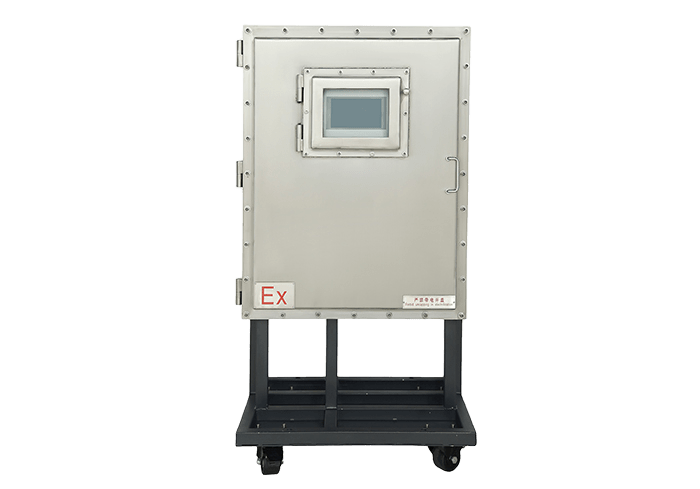
the OLGA2000 biogas analyzer
Environmental and Economic Benefits
In addition to energy resilience, solar-biogas hybrid systems provide significant environmental and economic advantages:
Lower greenhouse gas emissions by replacing diesel generators or coal-based electricity.
Reduced energy costs over time due to the use of free sunlight and locally available waste.
Improved waste management, turning liabilities into assets.
Moreover, government incentives and support for renewable energy development have made hybrid systems increasingly accessible for small- and medium-sized enterprises and community initiatives.
The combination of solar energy and biogas from organic waste provides a practical, scalable, and environmentally friendly approach to energy production. With proper gas monitoring and intelligent system design, solar-biogas hybrid systems can play a transformative role in achieving energy independence and sustainability—especially for regions with limited access to conventional power infrastructure. As technology advances and awareness grows, this hybrid model is poised to become a cornerstone in the global shift toward clean, decentralized energy systems.
 Manufacturer of biogas analyzer, landfill gas analyzer and extraction monitor, anaerobic digester gas analyzer