
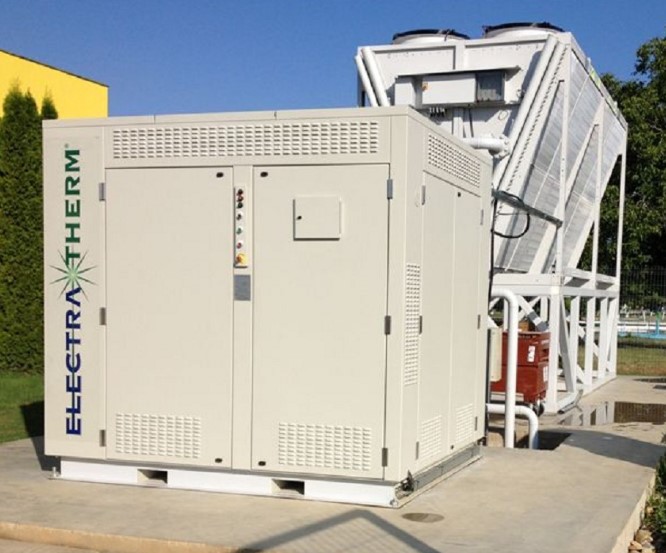
As the world grapples with the dual challenges of climate change and depleting fossil fuel reserves, renewable energy solutions are increasingly taking center stage. Among these, biomethane—a purified form of biogas—has emerged as a clean and versatile energy source. Derived from organic waste materials like agricultural residues, food waste, and sewage, biomethane is not only renewable but also offers significant environmental benefits. Its potential to power diverse industries makes it a cornerstone of the green energy revolution.
What is Biomethane?
Biomethane is produced by upgrading biogas—gas derived from the anaerobic digestion of organic materials. While raw biogas contains impurities like carbon dioxide (CO₂) and trace gases, biomethane is refined to have over 90% methane content, making it comparable in quality to natural gas. This purification process makes biomethane suitable for a wide range of applications, from transportation to electricity generation.
Biomethane Uses Across Industries
1. Transportation Fuel
Biomethane uses as a renewable natural gas (RNG) for vehicles. It can power compressed natural gas (CNG) and liquefied natural gas (LNG) vehicles, offering a cleaner alternative to diesel and petrol.
Applications:
- Public Transportation: Many cities are adopting biomethane-powered buses and taxis to reduce air pollution and carbon emissions.
- Freight and Logistics: Trucks running on biomethane emit significantly fewer greenhouse gases compared to diesel engines.
- Private Vehicles: Biomethane is also used in personal vehicles equipped with CNG or LNG technology.
Benefits:
- Reduces particulate matter and NOx emissions, improving air quality.
- Offers up to 80% lower carbon emissions compared to fossil fuels.
- Provides a sustainable solution for heavy-duty transport sectors.
2. Electricity Generation
Biomethane can be used in power plants to generate electricity, either independently or as part of a hybrid energy system. Its high methane content makes it an efficient fuel for gas turbines and engines.
Applications:
- Small-Scale Power Plants: Biomethane can power decentralized energy systems for rural areas.
- Grid Supply: Biomethane is injected into the natural gas grid to fuel larger-scale power plants.
Benefits:
- Provides a reliable and continuous source of renewable electricity.
- Reduces dependency on coal and other non-renewable energy sources.
- Supports grid balancing by acting as a backup during periods of low renewable energy generation.
3. Heating and Cooling
Biomethane is an excellent fuel for residential, commercial, and industrial heating and cooling systems. It can be used in gas boilers, industrial furnaces, and district heating networks.
Applications:
- Residential Use: Heating homes and water in a sustainable way.
- Industrial Heating: Powering furnaces and boilers in factories.
- District Heating Systems: Supplying heat to entire communities via centralized systems.
Benefits:
- Reduces carbon footprints of heating systems.
- Provides a clean and efficient alternative to heating oil or coal.
- Offers scalability for use in both small homes and large industrial facilities.
4. Chemical and Industrial Feedstock
Biomethane can be used as a raw material in chemical processes, replacing fossil-based natural gas. Many industries rely on methane as a building block for various products, such as fertilizers, hydrogen, and plastics.
Applications:
- Fertilizer Production: Biomethane is used to produce ammonia, a key ingredient in fertilizers.
- Hydrogen Production: Biomethane can be reformed into green hydrogen, a critical component of the emerging hydrogen economy.
- Chemical Synthesis: Methane is a precursor for many industrial chemicals and plastics.
Benefits:
- Reduces dependency on non-renewable natural gas in manufacturing.
- Aligns with the circular economy by utilizing waste materials.
- Contributes to the decarbonization of energy-intensive industries.
5. Injection into the Natural Gas Grid
One of the most versatile uses of biomethane is its injection into existing natural gas pipelines. Once injected, it can be used for a wide range of applications, just like traditional natural gas.
Applications:
- Residential and Commercial Use: Biomethane can power stoves, heaters, and other appliances in homes and businesses.
- Power Plants: Biomethane in the grid fuels large-scale electricity generation plants.
- Industrial Applications: Factories and industries use biomethane for energy-intensive processes.
Benefits:
- Seamlessly integrates with existing gas infrastructure, reducing the need for new investments.
- Provides a renewable alternative to fossil natural gas.
- Ensures a steady supply of green energy across sectors.
Environmental and Economic Benefits of Biomethane
1. Reduces Greenhouse Gas Emissions
Biomethane production captures methane—a potent greenhouse gas—from organic waste that would otherwise be released into the atmosphere. By converting this gas into a usable energy source, biomethane systems help mitigate climate change.
2. Promotes Waste Management
Biomethane production utilizes agricultural residues, food waste, and sewage, diverting waste from landfills and reducing environmental pollution.
3. Supports Energy Independence
Biomethane enables countries to reduce reliance on imported fossil fuels, enhancing energy security and resilience.
4. Creates Economic Opportunities
The biomethane sector generates jobs in waste management, plant operation, and infrastructure development, boosting local economies.
Conclusion
Biomethane is more than just a renewable energy source; it’s a bridge to a cleaner, more sustainable world. Its versatility, environmental benefits, and potential to decarbonize multiple sectors make it an invaluable resource in the fight against climate change. As industries and governments continue to invest in biomethane infrastructure and technologies, we move closer to realizing its full potential as a driver of global sustainability.
 Manufacturer of biogas analyzer, landfill gas analyzer and extraction monitor, anaerobic digester gas analyzer