
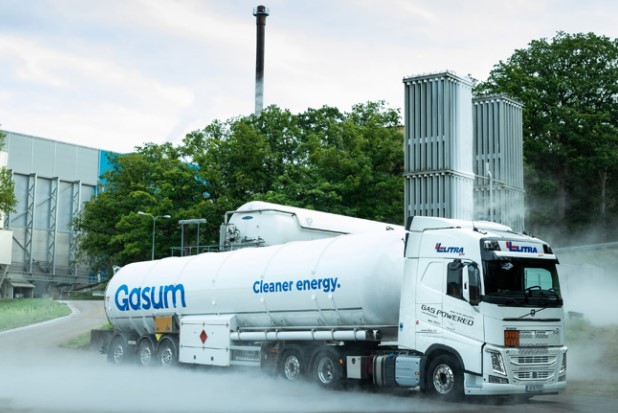
The world is rapidly shifting towards renewable energy sources, and biogas is emerging as one of the most promising solutions. By converting organic waste into energy, biogas offers a clean and sustainable alternative to fossil fuels. However, the journey of biogas doesn’t have to stop at cooking or electricity generation. With the right technology, biogas can be upgraded into compressed natural gas (CNG), a cleaner and more versatile fuel option. Biogas to CNG conversion technology is unlocking new possibilities for renewable fuels, offering benefits in energy efficiency, cost savings, and environmental sustainability.
What is Biogas and How is it Different from CNG?
Biogas is a renewable gas primarily composed of methane (CH₄) and carbon dioxide (CO₂), produced through the anaerobic digestion of organic materials such as agricultural waste, food scraps, or livestock manure. While biogas is an excellent source of energy for cooking, heating, and electricity generation, its direct use as a fuel for vehicles or large-scale industrial applications is limited due to its lower methane content and impurities.
Compressed natural gas (CNG), on the other hand, is a purified form of natural gas with a high methane content (generally over 90%). CNG is widely used as a clean fuel for vehicles, offering lower emissions compared to gasoline or diesel. By upgrading biogas to CNG, we can create a renewable, environmentally friendly alternative to fossil fuels for transportation and other uses.
The Biogas-to-CNG Conversion Process
1. Biogas Collection
Biogas is collected from anaerobic digesters, which break down organic waste materials in an oxygen-free environment to produce methane-rich gas. This raw biogas typically contains 50-60% methane, along with CO₂, water vapor, and trace amounts of other gases.
2. Gas Purification
The collected biogas undergoes a purification process to remove impurities such as carbon dioxide, hydrogen sulfide (H₂S), and water vapor. This step is crucial for increasing the methane content and making the gas suitable for compression.
Common purification techniques include:
- Pressure Swing Adsorption (PSA): Separates gases based on their adsorption properties under pressure.
- Water Scrubbing: Removes CO₂ and H₂S by dissolving them in water.
- Membrane Separation: Uses membranes to separate methane from other gases.
3. Monitoring equipment
Biogas analyzer, which uses advanced photoelectric sensing principles to detect methane (CH4), oxygen (O2), carbon dioxide (CO2), hydrogen sulfide (H2S), etc. For example, the OLGA2000 biogas online monitoring system can be widely used in gas monitoring in landfill biogas power plants, petrochemical industries, coal mines and other scenarios, and can achieve remote data transmission.

biogas online monitoring system OLGA2000
4. Compression
Once purified, the methane-rich gas is compressed to high pressures (200-250 bar) to produce compressed natural gas (CNG). This compression makes the gas more energy-dense, allowing it to be stored and transported efficiently.
5. Storage and Distribution
The compressed CNG is stored in high-pressure cylinders and can be distributed to fueling stations or directly to end-users for applications such as vehicle fuel or industrial energy.
Benefits of Biogas-to-CNG Conversion
1. Environmental Benefits
- Reduced Greenhouse Gas Emissions: Biogas captures methane that would otherwise be released into the atmosphere from decomposing organic waste. Upgrading it to CNG further reduces emissions by replacing fossil fuels in transportation and industrial applications.
- Waste Management: The process encourages the efficient recycling of organic waste, reducing the burden on landfills and promoting a circular economy.
2. Economic Benefits
- Cost Savings: CNG is a cost-effective alternative to traditional fossil fuels. By producing CNG locally from biogas, communities can reduce dependence on imported natural gas or petroleum.
- New Revenue Streams: Farmers, municipalities, and businesses can monetize organic waste by selling purified CNG or using it to power their operations.
3. Energy Security
Biogas-to-CNG conversion provides a renewable energy source that can be produced locally, reducing reliance on fossil fuel imports and enhancing energy security for nations.
4. Cleaner Transportation
CNG vehicles produce significantly lower emissions compared to gasoline or diesel-powered vehicles, making them a popular choice for public transportation fleets, taxis, and even private vehicles. Biogas-derived CNG further enhances the sustainability of this fuel option.
Applications of Biogas-Derived CNG
Biogas-derived CNG has a wide range of applications across various sectors:
- Transportation Fuel: CNG is a clean and affordable alternative for vehicles, including cars, buses, and trucks. Many countries are already transitioning public transportation fleets to CNG-powered vehicles.
- Industrial Energy: Industries can use CNG as a fuel for boilers, furnaces, and other equipment, reducing their carbon footprint.
- Power Generation: CNG can be used in gas turbines or generators to produce electricity, offering a cleaner alternative to coal or diesel.
- Cooking and Heating: In residential and commercial settings, CNG serves as an efficient and reliable fuel for cooking and heating.
Conclusion
Biogas-to-CNG conversion is a game-changer in the renewable energy landscape. By transforming organic waste into a high-value, versatile fuel, this technology not only addresses waste management issues but also contributes to reducing greenhouse gas emissions and advancing energy security. From powering vehicles to supporting industrial operations, biogas-derived CNG has the potential to replace fossil fuels in many applications, paving the way for a cleaner, greener future.

