
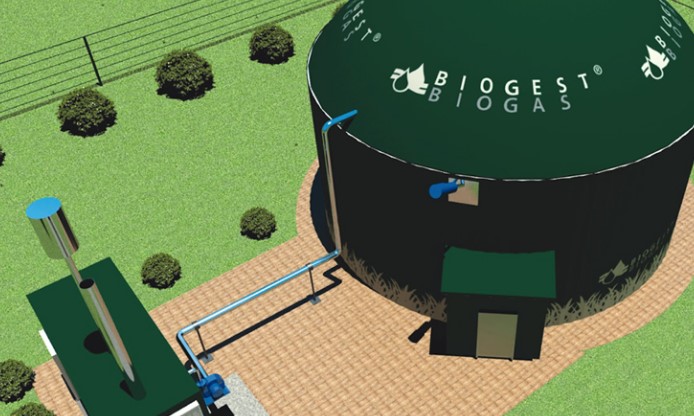
In the quest for sustainable energy solutions, Anaerobic Digestion (AD) Biogas has emerged as a groundbreaking technology. By converting organic waste into renewable energy, AD biogas not only addresses pressing environmental concerns like waste management and greenhouse gas emissions but also creates a reliable energy source for diverse applications. This process is revolutionizing waste utilization, proving that today’s waste can fuel tomorrow’s world.
What is Anaerobic Digestion (AD)?
Anaerobic digestion is a natural process where microorganisms break down organic materials, such as agricultural residues, food waste, and animal manure, in the absence of oxygen. This decomposition produces two main outputs:
1. Biogas: A mixture of methane (CH₄) and carbon dioxide (CO₂), which can be used as fuel for cooking, heating, electricity generation, and even as a vehicle fuel when upgraded to biomethane.
2. Digestate: A nutrient-rich byproduct that serves as a high-quality organic fertilizer for agriculture.
The Process of AD Biogas Production
1. Hydrolysis: Complex organic materials like carbohydrates, proteins, and fats are broken down into simpler molecules, such as sugars and amino acids.
2. Acidogenesis: These simpler molecules are converted into volatile fatty acids and alcohols by acidogenic bacteria.
3. Acetogenesis: The fatty acids and alcohols are further broken down into acetic acid, hydrogen, and carbon dioxide.
4. Methanogenesis: Methanogenic microorganisms produce methane-rich biogas from acetic acid, hydrogen, and carbon dioxide.
This entire process takes place in a controlled environment, such as a biogas digester, to maximize efficiency and output. It is necessary to monitor the composition of biogas. For example, the OLGA2000 biogas online monitoring system uses advanced photoelectric sensing principles to detect methane (CH4), oxygen (O2), carbon dioxide (CO2), hydrogen sulfide (H2S), etc. It can be widely used in gas monitoring in landfill biogas power plants, petrochemical industry, coal mines and other scenarios, and can realize remote data transmission.

biogas online monitoring system OLGA2000
Applications of AD Biogas
The versatility of AD biogas makes it a valuable resource for various sectors:
1. Electricity Generation
Biogas can be used in generators to produce electricity, providing renewable energy for homes, businesses, and industrial facilities. In decentralized rural areas, biogas-powered microgrids can play a crucial role in electrification.
2. Cooking and Heating
Biogas serves as a clean-burning fuel for cooking and heating, replacing traditional fuels like firewood, coal, and LPG. This reduces indoor air pollution and improves health, especially in rural households.
3. Transportation
When upgraded to biomethane, biogas can be used as a fuel for vehicles. Biomethane has properties similar to natural gas, making it an excellent alternative for compressed natural gas (CNG) vehicles.
4. Fertilizer Production
The digestate byproduct of anaerobic digestion is a nutrient-rich material that can be applied as an organic fertilizer. It enhances soil fertility and reduces the dependence on chemical fertilizers, promoting sustainable farming.
Environmental Benefits of AD Biogas
- 1. Waste Reduction: Organic waste that would otherwise end up in landfills is diverted to biogas plants, reducing landfill space requirements and methane emissions.
- 2. Carbon Neutrality: Biogas is considered a carbon-neutral energy source because the carbon dioxide released during its use is offset by the carbon absorbed by the organic materials during their growth.
- 3. Reduction of Greenhouse Gases: Capturing methane from waste prevents it from being released into the atmosphere, where it is a potent greenhouse gas.
- 4. Minimized Water Pollution: Anaerobic digestion prevents organic waste from leaching into water bodies, reducing water pollution and preserving aquatic ecosystems.

Economic and Social Impacts
Beyond environmental benefits, AD biogas contributes significantly to economic development and social well-being:
- Energy Independence: Communities and businesses can produce their own energy, reducing reliance on fossil fuels and external energy sources.
- Job Creation: The establishment and operation of biogas plants create employment opportunities in construction, operation, and maintenance.
- Cost Savings: Biogas provides a cost-effective energy source for households and industries, reducing energy bills and fuel expenses.
- Empowering Rural Communities: AD biogas systems, particularly small-scale digesters, empower rural households to generate their own energy and fertilizer, enhancing self-reliance and quality of life.
Conclusion
AD biogas is a shining example of how waste can be transformed into wealth. By efficiently converting organic waste into energy and fertilizer, this technology addresses critical global challenges like waste management, energy security, and climate change. With continued investment, innovation, and awareness, anaerobic digestion biogas systems can play a pivotal role in building a sustainable and greener future for generations to come.
 Manufacturer of biogas analyzer, landfill gas analyzer and extraction monitor, anaerobic digester gas analyzer