
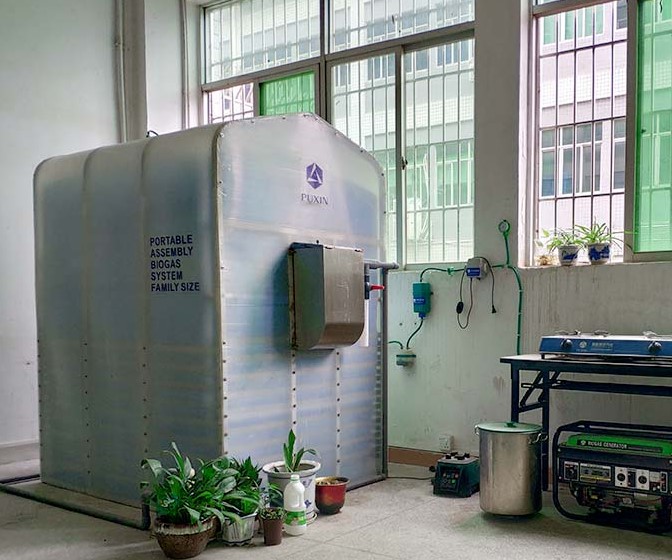
In recent years, the focus on sustainable and renewable energy has gained significant momentum. For those interested in minimizing their carbon footprint and promoting a greener lifestyle, one effective solution is setting up a biogas home plant. By converting organic waste into clean energy, a home biogas plant provides a simple, eco-friendly way to meet basic energy needs while managing waste efficiently.
This article explores the benefits of installing a biogas home plant, covering everything from cost savings and environmental impact to independence from traditional energy sources.
What is a Biogas Home Plant?
A biogas home plant is a small-scale system designed to process organic waste, such as food scraps, animal manure, or garden clippings, through anaerobic digestion. This process involves breaking down organic materials in a closed, oxygen-free environment, producing biogas (a mixture of methane and carbon dioxide) as well as a nutrient-rich byproduct called digestate.
Biogas produced in a home plant can be used for cooking, heating, and even generating electricity in some cases. Digestate, meanwhile, serves as an excellent organic fertilizer for gardens and farms, completing a sustainable cycle that benefits both the environment and the household.
Key Benefits of a Biogas Home Plant
1. Cost Savings
One of the most immediate benefits of a biogas home plant is the potential for cost savings. By generating biogas at home, families can reduce their reliance on traditional energy sources like electricity, liquefied petroleum gas (LPG), or natural gas. This reduction in energy consumption from external sources can result in noticeable savings over time, especially as energy costs continue to rise worldwide.
In addition to savings on fuel costs, a biogas plant also provides a free, eco-friendly source of fertilizer. By using digestate from the biogas plant in place of store-bought chemical fertilizers, homeowners can reduce agricultural expenses while supporting natural soil health.
2. Waste Management
A biogas home plant offers a highly effective solution for waste management. Organic waste, such as kitchen scraps, animal manure, and garden clippings, is often discarded in landfills, where it decomposes and releases harmful methane emissions into the atmosphere. With a biogas system, however, this organic waste is put to good use by being converted into energy.
Instead of ending up in a landfill, household waste is repurposed into valuable resources, reducing the overall volume of waste. For households that generate a lot of organic waste, such as those with gardens, farms, or livestock, a biogas plant can help manage waste sustainably while also producing useful energy.
3. Environmentally Friendly
The use of a biogas home plant aligns perfectly with efforts to protect the environment. As a renewable source of energy, biogas production helps reduce the reliance on fossil fuels, which are finite resources and major contributors to climate change.
Furthermore, biogas burns cleaner than fossil fuels, releasing fewer greenhouse gases and pollutants. Unlike coal or oil, biogas combustion does not release sulfur dioxide, a harmful gas that contributes to acid rain and respiratory issues. By switching to biogas, households can lower their carbon footprint, contribute to cleaner air, and participate in a more sustainable way of living.
4. Energy Independence
Biogas offers households a degree of energy independence by providing a self-sustaining source of fuel. For households in remote or off-grid locations, a biogas home plant can be particularly beneficial, serving as a reliable and accessible source of energy for cooking, heating, and even electricity.
Having a biogas plant means that households are less vulnerable to energy price fluctuations and potential power outages. This energy independence provides peace of mind, especially in regions where electricity and LPG are either expensive or unreliable.
5. Promotes Organic Farming and Gardening
The digestate produced by a biogas plant is a nutrient-rich byproduct that can be used as a natural fertilizer. Packed with nitrogen, phosphorus, potassium, and other essential nutrients, digestate supports healthy plant growth, enhances soil quality, and improves crop yields.
Unlike chemical fertilizers, digestate from a biogas plant is free from synthetic chemicals, making it safe for organic farming and gardening. By using digestate, households can cultivate healthier plants while avoiding the adverse effects of chemical fertilizers on the environment, such as water pollution and soil degradation.
6. Improved Indoor Air Quality
In many developing countries, cooking with traditional fuels like firewood or coal produces smoke and harmful pollutants, leading to health risks, especially in poorly ventilated areas. A biogas stove, in contrast, burns cleanly and emits minimal smoke, improving indoor air quality and reducing the risk of respiratory issues.
For households that transition from wood or charcoal to biogas for cooking, the health benefits can be significant. The clean combustion of biogas helps reduce exposure to harmful emissions, making it a safer cooking alternative.
7. Educational and Community Benefits
Adopting a biogas home plant can have positive educational and community effects. For families, the process of setting up and maintaining a biogas plant provides hands-on experience with renewable energy, sustainability, and environmental responsibility. This knowledge can be especially valuable for children, fostering an understanding of sustainable practices from an early age.
Additionally, community biogas systems can encourage collaboration and collective action. In rural or agricultural communities, residents can come together to set up larger biogas plants that serve multiple households, sharing both resources and benefits.
8. Contribution to Climate Change Mitigation
By converting organic waste into biogas, households prevent methane—a potent greenhouse gas—from being released into the atmosphere. When organic waste decomposes in a landfill, it produces methane, which has a much higher global warming potential than carbon dioxide.
By capturing and using methane as a fuel source, biogas home plants can help reduce the overall emissions of greenhouse gases. This process aligns with global climate goals and contributes to a more sustainable planet, all from the comfort of one’s home.
Steps to Set Up a Biogas Home Plant
- 1. Determine the Feedstock: Decide on the organic waste you will use in the biogas plant. Cow manure, kitchen waste, and garden clippings are common choices.
- 2. Choose a Biogas Digester: Select a digester that matches your household’s energy needs and available space. Digesters come in various sizes, from small household units to larger models suitable for small farms.
- 3. Prepare the Site: Find a suitable location for the plant. Ideally, this should be close to the kitchen or another area where the gas will be used.
- 4. Install the Digester: Install the digester and connect it to the gas storage tank. Some home biogas systems come with easy-to-follow setup instructions.
- 5. Gas monitoring:Biogas analyzers, such as the GASCHEK1000 portable biogas analyzer, use advanced photoelectric sensing principles to detect and analyze methane (CH4), oxygen (O2), carbon dioxide (CO2), hydrogen sulfide (H2S) and other gases, and accurately report , while effectively checking the digestive process.
portable biogas analyzer GASCHEK1000
- 6. Use and Enjoy: Connect the biogas to your stove or other appliances and enjoy the benefits of clean, renewable energy!
Conclusion
Installing a biogas home plant is a powerful step toward a more sustainable lifestyle. Not only does it allow households to reduce waste and save money, but it also provides a reliable, eco-friendly energy source that benefits both the environment and personal well-being.
By adopting a biogas home plant, families can play an active role in the fight against climate change, lower their reliance on non-renewable fuels, and enjoy a more sustainable way of living. As we look for ways to protect our planet for future generations, biogas home plants offer a practical and accessible solution that brings us closer to a greener, healthier world.
 Manufacturer of biogas analyzer, landfill gas analyzer and extraction monitor, anaerobic digester gas analyzer