
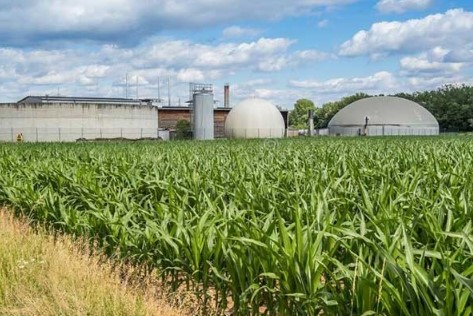
As the world shifts toward renewable energy sources, the potential of biogas has gained increasing attention. Biogas is a renewable energy source that can be generated from a wide range of organic materials, including animal manure, food waste, agricultural residues, and even grass. Using grass to produce biogas offers a unique and sustainable way to address energy needs while making use of a widely available and renewable resource.
What is Biogas?
Biogas is a type of biofuel that is produced through the process of anaerobic digestion—where microorganisms break down organic material in the absence of oxygen. This process generates a gas that is primarily composed of methane (CH₄) and carbon dioxide (CO₂), with trace amounts of other gases. The methane in biogas can be used as a clean energy source for cooking, heating, electricity generation, and even as a vehicle fuel when upgraded to a higher purity level (biomethane).
Why Grass?
Grass is an ideal feedstock for biogas production due to its high availability, low cost, and rapid regrowth. It is a renewable resource that can be harvested frequently, unlike other organic materials that may be seasonal or limited in supply. Grasses, such as miscanthus, switchgrass, and other fast-growing species, have proven effective for biogas production because of their high cellulose and hemicellulose content, which can be broken down by microorganisms to produce methane.
Furthermore, grass can be grown in areas unsuitable for food crops, making it a non-competitive source of biomass for energy production. By utilizing grass for biogas production, we can turn an abundant, low-value resource into a valuable source of renewable energy.
How Biogas is Produced from Grass
1. Harvesting and Collection
The process begins with the harvesting of grass from fields. Grass can be grown specifically for biogas production, or waste grass from landscaping, parks, and roadside mowing can be collected to be used as feedstock.
2. Pre-Treatment
To make grass more digestible for the anaerobic microorganisms, it may need to undergo pre-treatment. This involves chopping the grass into smaller pieces and sometimes even using physical, chemical, or biological methods to break down the tough cellulose structure. This step increases the efficiency of biogas production by making it easier for microorganisms to access the organic material.
3. Anaerobic Digestion
The pre-treated grass is then added to an anaerobic digester—a sealed container that provides an oxygen-free environment for the digestion process. Inside the digester, microorganisms break down the organic matter in the grass, producing biogas over several days or weeks. This biogas is captured and stored for use as an energy source. During the biogas production process, a biogas analyzer is needed to monitor the composition of the biogas. For example, the OLGA2000 biogas online monitoring system uses advanced photoelectric sensing principles to detect and analyze methane (CH4), oxygen (O2), carbon dioxide (CO2), hydrogen sulfide (H2S) and other gases.

biogas online monitoring system OLGA2000
4. Biogas Collection and Storage
The biogas produced is collected and stored in tanks or bags until it is ready to be used. The methane content in the gas can vary depending on the specific type of grass and the conditions in the digester, but it typically ranges from 50-70% methane, which makes it an efficient fuel.
5. Digestate as Fertilizer
After the biogas is extracted, what remains is called digestate—a nutrient-rich byproduct that can be used as an organic fertilizer. This circular use of resources enriches the soil and reduces the need for synthetic fertilizers, creating a sustainable cycle in agriculture.
Benefits of Using Grass for Biogas Production
1. Renewable and Sustainable Energy Source
Grass is a renewable feedstock that grows quickly and can be harvested multiple times a year. This makes it a sustainable option for biogas production, especially in areas where other organic materials may be limited or seasonal. Unlike fossil fuels, which release ancient carbon into the atmosphere, biogas production from grass is a part of the current carbon cycle, which makes it a carbon-neutral energy source.
2. Reduction in Greenhouse Gas Emissions
When grass decomposes naturally, it releases methane into the atmosphere—a potent greenhouse gas. By converting grass into biogas in a controlled environment, methane emissions are reduced, and the methane can be captured and used as an energy source instead of being released into the atmosphere. Additionally, using biogas as a fuel helps reduce reliance on fossil fuels, further decreasing greenhouse gas emissions.
3. Supports Sustainable Agriculture
The digestate produced as a byproduct of biogas production is a valuable fertilizer. This nutrient-rich material can be applied to fields to improve soil health, enhance crop yields, and reduce the need for synthetic fertilizers, which are often derived from fossil fuels and contribute to environmental pollution.
4. Economic Opportunities for Rural Communities
Biogas production from grass can provide economic benefits for rural communities by creating jobs and income opportunities in grass cultivation, collection, and biogas plant operation. Farmers can dedicate sections of their land to growing grass for biogas or make use of marginal land that is unsuitable for other crops. Additionally, community-scale biogas plants can help rural areas become more energy self-sufficient.
5. Energy Security and Decentralized Power
By converting grass into biogas, communities can produce their own renewable energy, reducing dependence on external energy sources and increasing energy security. Decentralized biogas production can power local households, farms, and small businesses, providing a reliable and sustainable energy source in off-grid or remote areas.
Challenges and Solutions
1. Pre-Treatment Requirements
Grass has a high cellulose content, which can make it difficult for anaerobic bacteria to break down. Effective pre-treatment methods, such as mechanical chopping or chemical treatments, are needed to improve digestibility. Research is ongoing to develop more efficient and cost-effective pre-treatment methods to increase biogas yields from grass.
2. Storage and Transportation
Biogas requires specialized storage and transportation solutions to prevent methane leakage and maintain energy efficiency. Innovations in storage technologies, such as biogas compressors and upgraded biomethane systems, can help address these challenges.
3. Seasonal Variability
Grass grows best in specific seasons, which may lead to fluctuations in feedstock availability. To ensure a continuous supply of biogas, grass can be combined with other feedstocks, such as agricultural residues, food waste, or manure, allowing for a stable year-round biogas production.
Conclusion
Biogas from grass is more than just a source of renewable energy—it’s a sustainable solution that aligns with our environmental goals. By turning a widely available and renewable resource into valuable fuel, we can reduce waste, lower greenhouse gas emissions, and promote sustainable agriculture. The versatility and benefits of biogas from grass make it an attractive option for communities, governments, and businesses aiming to build a greener and more sustainable future.

