

As the world grapples with the challenges of climate change, resource depletion, and pollution, there’s an increasing demand for sustainable and eco-friendly energy solutions. One such solution that has gained prominence, particularly in rural areas, is gobar gas. Derived from cow dung, or “gobar” in Hindi, gobar gas is a type of biogas that provides a renewable source of energy while also addressing waste management issues. This article explores the benefits of gobar gas, its production process, and its role in promoting a sustainable future.
What is Gobar Gas?
Gobar gas is a form of biogas primarily produced through the anaerobic digestion of cow dung. This process occurs in an oxygen-free environment where bacteria break down organic matter—such as manure, plant material, and agricultural waste—producing a gas mixture predominantly composed of methane (CH₄) and carbon dioxide (CO₂). The methane in gobar gas makes it a valuable energy source, capable of powering stoves, heaters, and even electricity generators.
While cow dung is the main raw material for gobar gas production, other organic waste materials can also be added, enhancing the gas yield and making the process an efficient method of recycling farm and household waste.
How is Gobar Gas Produced?
1. Collection of Cow Dung: Cow dung and other organic waste are collected and mixed with water to create a slurry.
2. Digestion in the Biogas Plant: The slurry is then fed into an airtight digester, where anaerobic bacteria decompose the organic matter. This process takes place in an oxygen-free environment, which is essential for methane production.
3. Gas Collection: As the organic matter breaks down, biogas is released and collected in a gas storage chamber.
4. Utilization of Gas: The gobar gas can be directly piped to stoves, lamps, and other appliances. The by-product, known as digestate, is rich in nutrients and can be used as an organic fertilizer, promoting sustainable agriculture.
Benefits of Gobar Gas
1. Clean and Renewable Energy Source
Gobar gas offers a renewable and sustainable source of energy. Unlike fossil fuels, it does not deplete natural resources and produces lower carbon emissions, making it a cleaner alternative. When used as a fuel for cooking, heating, or electricity generation, gobar gas contributes to reducing the reliance on fossil fuels, thus minimizing environmental harm.
2. Reduces Greenhouse Gas Emissions
One of the most significant benefits of gobar gas production is its potential to reduce greenhouse gas emissions. Cow dung, if left untreated, releases methane into the atmosphere—a potent greenhouse gas that contributes to global warming. By capturing and utilizing this methane through gobar gas production, emissions are minimized, helping to combat climate change.
3. Improves Waste Management
In rural areas, the accumulation of cow dung and other organic waste can pose environmental and health hazards. Gobar gas production provides an effective waste management solution by converting waste into valuable energy. It reduces the amount of waste in the environment and provides a method of waste recycling that is beneficial for the community.
4. Cost-Effective Energy Solution
Gobar gas is a cost-effective alternative to conventional energy sources, particularly for rural communities where access to electricity or liquefied petroleum gas (LPG) can be limited. The initial setup cost of a biogas plant is relatively low, and once operational, gobar gas can significantly reduce household energy expenses. For small farms and households, this offers a reliable and affordable source of energy for daily needs.
5. Promotes Sustainable Agriculture
The by-product of gobar gas production, known as digestate, is a nutrient-rich organic fertilizer that can enhance soil health and boost crop yields. This fertilizer reduces the need for chemical fertilizers, which are often costly and can degrade soil quality over time. By using digestate, farmers can cultivate healthier, more sustainable crops while lowering their agricultural expenses.
6. Reduces Indoor Air Pollution
In many rural households, traditional cooking methods involve burning wood, charcoal, or dung cakes, which produce harmful smoke and contribute to indoor air pollution. This smoke can lead to respiratory problems, particularly among women and children who spend more time indoors. Gobar gas provides a clean, smokeless alternative for cooking, improving air quality and reducing health risks associated with smoke inhalation.
7. Empowers Rural Communities
By providing a local source of energy, gobar gas production empowers rural communities to become more self-sufficient. It creates job opportunities related to the construction, operation, and maintenance of biogas plants. Moreover, it fosters a sense of environmental stewardship, as community members take responsibility for waste management and clean energy production.
8. Reduces Deforestation
In many rural areas, firewood is the primary source of cooking fuel, leading to deforestation and habitat destruction. Gobar gas serves as an alternative to firewood, helping to reduce the demand for wood and preserving local forests. This contributes to biodiversity conservation and helps maintain the ecological balance.
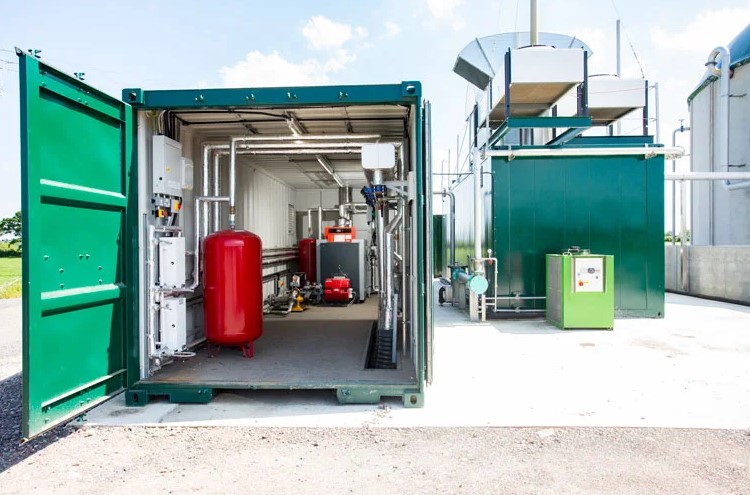
Real-World Applications of Gobar Gas
- Cooking: Biogas stoves fueled by gobar gas provide a reliable and clean source of energy for cooking, especially in areas without access to LPG or electricity.
- Heating: Gobar gas can be used for heating water and living spaces in colder regions, offering an affordable alternative to traditional heating methods.
- Electricity Generation: In larger biogas plants, gobar gas can power electricity generators, providing a decentralized energy solution for remote areas with limited grid access.
- Agricultural Equipment: Gobar gas can fuel small agricultural machines, such as water pumps, reducing the need for diesel or petrol on farms.
- Lighting: Biogas lamps offer a sustainable lighting option for rural homes, improving the quality of life in communities without reliable access to electricity.
Conclusion: The Promise of Gobar Gas
Gobar gas represents a sustainable, efficient, and community-driven solution to many of the environmental and economic challenges facing rural areas. By converting waste into usable energy, gobar gas not only addresses waste management issues but also provides an affordable, renewable energy source that improves health, reduces emissions, and supports sustainable agriculture.
 Manufacturer of biogas analyzer, landfill gas analyzer and extraction monitor, anaerobic digester gas analyzer