
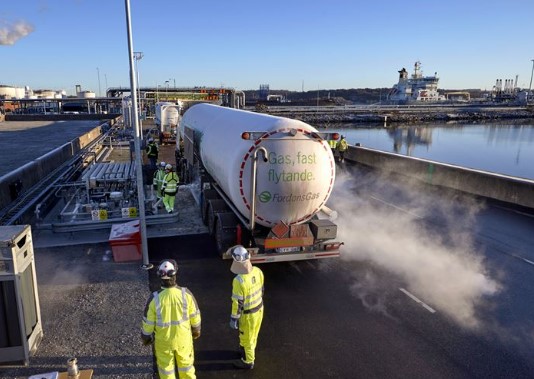
As the world continues to seek sustainable alternatives to fossil fuels, the conversion of biogas to Liquefied Biogas (LBG) has emerged as a promising solution. LBG is a renewable fuel that can replace natural gas in various applications, offering a cleaner, more sustainable energy source. This article delves into the process of converting biogas to LBG and the potential benefits it holds for the environment and energy sectors.
Understanding Biogas
Biogas is produced through the anaerobic digestion of organic materials such as agricultural waste, food waste, and livestock manure. This process involves the breakdown of organic matter by microorganisms in the absence of oxygen, resulting in a mixture of gases, primarily methane (CH₄) and carbon dioxide (CO₂), along with trace amounts of other gases. Biogas can be used directly for heating, cooking, or generating electricity. However, its potential can be greatly enhanced by upgrading it to LBG.
What is Liquefied Biogas (LBG)?
Liquefied Biogas (LBG) is biogas that has been processed to remove impurities and then cooled to a liquid state at cryogenic temperatures (approximately -162°C). The liquefaction process condenses the methane, making it more energy-dense and easier to transport and store. LBG can be utilized in various applications, including:
Transportation Fuel: LBG can be used as a cleaner alternative to diesel and petrol in vehicles.
Power Generation: LBG can be fed into existing natural gas infrastructure for electricity generation.
Industrial Applications: Industries can use LBG as a renewable fuel source, reducing their carbon footprint.
The Process of Converting Biogas to LBG
1. Biogas Production:
Organic waste is collected and subjected to anaerobic digestion in a biogas digester. This step produces raw biogas, which contains around 50-70% methane, along with carbon dioxide and other impurities.
2. Biogas Upgrading:
Raw biogas must be upgraded to remove impurities, such as carbon dioxide, hydrogen sulfide, and moisture. This can be done through several methods:
Chemical Scrubbing: Utilizing a liquid absorbent to capture CO₂ and other contaminants.
Membrane Separation: Passing biogas through a membrane that selectively separates methane from other gases.
Pressure Swing Adsorption (PSA): Using adsorbent materials to separate methane from impurities under pressure.
3. Liquefaction:
The upgraded biogas, now primarily composed of methane, is cooled and liquefied using cryogenic technology. This process reduces the gas volume significantly, making it easier to transport and store.
4. Storage and Distribution:
The liquefied biogas can be stored in insulated tanks to maintain its low temperature. It can then be transported to various end-users, including fueling stations and industrial facilities.
Potential Benefits of LBG
1. Reduced Greenhouse Gas Emissions:
LBG produces significantly lower emissions compared to fossil fuels. By utilizing biogas that would otherwise contribute to methane emissions from landfills and agricultural waste, LBG can help mitigate climate change.
2. Energy Security:
By providing a renewable alternative to fossil fuels, LBG can enhance energy security and reduce dependence on imported energy sources.
3. Waste Management:
The production of biogas from organic waste addresses waste management challenges while simultaneously generating renewable energy. This dual benefit supports a circular economy.
4. Compatibility with Existing Infrastructure:
LBG can be integrated into existing natural gas networks and can fuel existing gas vehicles, making it a practical transition for industries and consumers.
5. Economic Opportunities:
The development of LBG infrastructure creates jobs in biogas production, upgrading, and distribution, while also providing a sustainable energy source for local communities.
Conclusion
The conversion of biogas to Liquefied Biogas (LBG) represents a significant step toward a sustainable energy future. By harnessing organic waste to produce a clean, renewable fuel, LBG has the potential to reduce greenhouse gas emissions, enhance energy security, and promote a circular economy. As technology advances and the demand for renewable energy sources increases, LBG stands poised to play a vital role in the global transition toward sustainable energy solutions. Embracing this innovation will not only benefit the environment but also provide economic opportunities for communities worldwide.
 Manufacturer of biogas analyzer, landfill gas analyzer and extraction monitor, anaerobic digester gas analyzer