
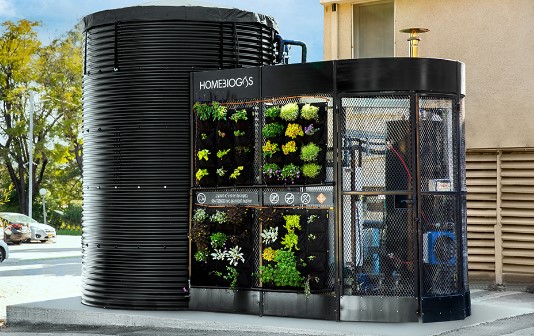
In today’s world, where sustainability and renewable energy are paramount, kitchen waste biogas plants have emerged as an innovative solution for converting organic scraps into valuable energy. By harnessing the power of anaerobic digestion, these plants not only reduce food waste but also provide a renewable energy source that can be used for cooking, heating, and electricity generation. This article explores how kitchen waste biogas plants work, their benefits, and their role in promoting sustainable living.
What Are Kitchen Waste Biogas Plants?
Kitchen waste biogas plants are systems designed to process organic kitchen waste—such as vegetable peels, leftover food, and fruit scraps—through anaerobic digestion. In this oxygen-free environment, microorganisms break down the organic matter, producing biogas, primarily composed of methane and carbon dioxide.
The Anaerobic Digestion Process
1. Feedstock Preparation:
Organic waste is collected and prepared for digestion. This may involve chopping or shredding the waste to enhance microbial activity and ensure efficient digestion.
2. Digestion:
The prepared waste is placed in a sealed digester, where it is kept at a controlled temperature to facilitate microbial activity. The absence of oxygen allows anaerobic bacteria to break down the organic matter into simpler compounds.
3. Biogas Production:
As the microorganisms digest the organic waste, they produce biogas. The biogas collects at the top of the digester and can be captured for use.
4. Digestate Management:
After the digestion process, a nutrient-rich slurry known as digestate remains. This byproduct can be used as organic fertilizer, enriching soil health and reducing the need for chemical fertilizers.
5. Monitoring equipment: Biogas analyzer, which uses advanced photoelectric sensing principles to detect methane (CH4), oxygen (O2), carbon dioxide (CO2), hydrogen sulfide (H2S), etc. For example, the OLGA2000 biogas online monitoring system can be widely used in gas monitoring in landfill biogas power plants, petrochemical industries, coal mines and other scenarios, and can achieve remote data transmission.

biogas online monitoring system OLGA2000
Benefits of Kitchen Waste Biogas Plants
1. Waste Reduction:
Kitchen waste biogas plants significantly reduce the amount of organic waste sent to landfills. This helps mitigate the environmental impacts of waste disposal, such as greenhouse gas emissions and leachate production.
2. Renewable Energy Production:
The biogas produced can be used as a clean and renewable energy source for cooking and heating. This not only lowers energy costs for households but also reduces reliance on fossil fuels.
3. Environmental Benefits:
By capturing methane—a potent greenhouse gas—kitchen waste biogas plants help combat climate change. Additionally, using digestate as fertilizer promotes organic farming practices, enhancing soil fertility and health.
4. Energy Independence:
These plants empower households and communities to produce their own energy, leading to greater energy independence and security.
5. Cost Savings:
The use of biogas for cooking and heating can result in substantial cost savings over time, especially in areas where energy prices are high.
Applications of Biogas from Kitchen Waste
1. Cooking Fuel:
Biogas can be directly used in biogas stoves, providing a clean and efficient cooking fuel for households, particularly in rural areas.
2. Heating:
Biogas can also be used for space heating, contributing to lower heating costs.
3. Electricity Generation:
In larger biogas systems, biogas can be used to power generators, producing electricity that can be used on-site or fed into the grid.
4. Transportation Fuel:
After purification, biogas can be converted into biomethane, a renewable fuel for vehicles.
Challenges and Considerations
1. Initial Investment:
The cost of setting up a biogas plant may be a barrier for some households. However, government incentives and subsidies can help offset these costs.
2. Maintenance:
Regular maintenance is required to ensure optimal performance. Training and knowledge about biogas systems can facilitate successful operation.
3. Public Awareness:
There is a need for increased public awareness and education about the benefits of kitchen waste biogas plants to encourage wider adoption.
Conclusion
Kitchen waste biogas plants represent a promising solution for turning organic scraps into renewable energy. By converting kitchen waste into biogas, these systems not only reduce waste and greenhouse gas emissions but also provide a clean and sustainable source of energy. As technology advances and awareness grows, kitchen waste biogas plants have the potential to play a significant role in fostering a greener, more sustainable future. Embracing this technology can help individuals and communities take control of their waste and energy needs, paving the way for a cleaner planet.

