

In an age where sustainable energy solutions are becoming increasingly critical, anaerobic digestion is emerging as a powerful technology for producing renewable biogas. This process not only addresses waste management challenges but also provides a clean source of energy. Understanding how anaerobic digestion works is essential for harnessing its full potential.
What is Anaerobic Digestion?
Anaerobic digestion is a biological process that occurs in the absence of oxygen, where microorganisms break down organic matter, such as food waste, agricultural residues, and livestock manure, into biogas. This biogas primarily consists of methane (CH₄) and carbon dioxide (CO₂), along with trace amounts of other gases. The resulting biogas can be used for various applications, including cooking, heating, electricity generation, and as a vehicle fuel.
The Anaerobic Digestion Process
1. Hydrolysis:
In the initial phase, complex organic materials (like carbohydrates, fats, and proteins) in the feedstock are broken down into simpler compounds by hydrolytic bacteria.
This step transforms solid matter into liquid form, making it more accessible for further digestion.
2. Acidogenesis:
During this stage, the simple compounds produced in hydrolysis are converted into volatile fatty acids, hydrogen, and carbon dioxide by acidogenic bacteria.
This phase is crucial as it creates the substrates that will be transformed into biogas in the next stage.
3. Acetogenesis:
Acetogenic bacteria take over in this phase, converting the volatile fatty acids produced in acidogenesis into acetic acid, additional hydrogen, and carbon dioxide.
This step prepares the substrate for the final stage of biogas production.
4. Methanogenesis:
The final stage is carried out by methanogenic archaea, which convert acetic acid and hydrogen into methane and carbon dioxide.
Methane is the primary component of biogas, and its production is the ultimate goal of the anaerobic digestion process.
Key Components of Anaerobic Digestion Systems
1. Digester:
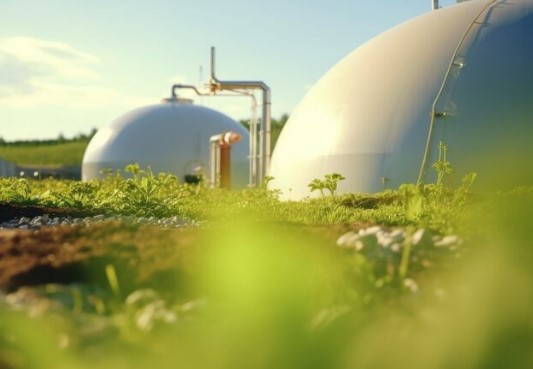
The anaerobic digester is the heart of the system, where the digestion process takes place. It is a sealed, oxygen-free environment that maintains optimal conditions for microbial activity.
Digesters can vary in size and design, ranging from small-scale household units to large industrial facilities.
2. Feedstock:
The organic material fed into the digester can include agricultural waste, food scraps, manure, and energy crops. The choice of feedstock significantly impacts biogas production efficiency.
3. Heating and Mixing:
Maintaining an optimal temperature (typically between 30°C to 60°C) is essential for maximizing microbial activity. Many systems incorporate heating elements to maintain these temperatures.
Mixing the contents of the digester ensures uniformity and helps prevent the formation of scum or sediment, allowing for better gas extraction.
4. Gas Collection:
The biogas produced during digestion is collected at the top of the digester and can be stored or used immediately.
In larger systems, gas storage tanks may be used to hold the biogas until it is needed.
5. Gas monitoring:
Biogas analyzers, such as the GASCHEK1000 portable biogas analyzer, use advanced photoelectric sensing principles to detect and analyze methane (CH4), oxygen (O2), carbon dioxide (CO2), hydrogen sulfide (H2S) and other gases, and accurately report , while effectively checking the digestive process.

portable biogas analyzer GASCHEK1000
Applications of Biogas
Biogas produced through anaerobic digestion can be utilized in various ways:
1. Electricity Generation:
Biogas can be burned in a generator to produce electricity, providing a valuable energy source, especially in remote areas.
2. Heating:
The heat generated from burning biogas can be used for residential heating, industrial processes, or even to maintain the digester’s temperature.
3. Fuel for Vehicles:
After purification, biogas can be converted into biomethane and used as a renewable fuel for vehicles, reducing reliance on fossil fuels.
4. Organic Fertilizer:
The digestate (the residual material left after biogas extraction) can be used as a nutrient-rich fertilizer, returning valuable nutrients to the soil and improving agricultural sustainability.
Environmental Benefits
- Waste Management: It helps manage organic waste efficiently, reducing landfill use and associated greenhouse gas emissions.
- Reduction of Greenhouse Gases: By capturing methane, which is significantly more potent as a greenhouse gas than carbon dioxide, anaerobic digestion mitigates climate change impacts.
- Renewable Energy Production: It provides a sustainable source of energy, contributing to energy independence and reducing fossil fuel reliance.
Anaerobic digestion is a revolutionary process that transforms organic waste into renewable biogas, offering a sustainable solution for energy production and waste management.As technology advances and more people recognize the environmental and economic benefits of anaerobic digestion, its adoption is likely to grow. By harnessing this innovative approach, we can take significant strides toward a cleaner, more sustainable future.
 Manufacturer of biogas analyzer, landfill gas analyzer and extraction monitor, anaerobic digester gas analyzer