

As the world grapples with climate change and environmental degradation, the search for sustainable and renewable energy sources has become more urgent than ever. One promising alternative that is gaining attention is methane biofuel. Produced from organic waste, methane biofuel is a cleaner, renewable energy source that can replace fossil fuels in a variety of applications, from power generation to transportation.
What is Methane Biofuel?
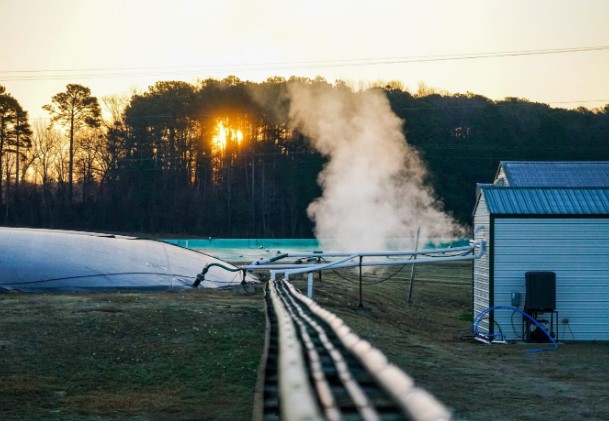
Methane biofuel, also known as biogas, is a type of renewable energy created through the process of anaerobic digestion, where organic materials such as agricultural waste, food scraps, and animal manure are broken down by bacteria in the absence of oxygen. This process produces methane (CH₄) and carbon dioxide (CO₂), with methane being the key component that can be captured and used as a fuel source.
The resulting biogas can be processed and purified to produce biomethane, which has similar properties to natural gas and can be used as a direct substitute for fossil fuels. Unlike conventional natural gas, which is extracted from underground reserves, methane biofuel is created from renewable organic materials, making it a more sustainable option.
How is Methane Biofuel Produced?
Methane biofuel is primarily produced through anaerobic digestion, a natural biological process that occurs in oxygen-free environments. The key steps involved in methane biofuel production are:
- 1. Feedstock Collection: Organic waste materials such as agricultural residues, livestock manure, food waste, and wastewater are collected and stored in a digester.
- 2. Anaerobic Digestion: The organic materials are broken down by bacteria in an oxygen-free environment. This process results in the production of biogas, which contains methane and carbon dioxide. During the biogas production process, a biogas analyzer is needed to monitor the composition of the biogas. For example, the OLGA2000 biogas online monitoring system uses advanced photoelectric sensing principles to detect and analyze methane (CH4), oxygen (O2), carbon dioxide (CO2), hydrogen sulfide (H2S) and other gases.

- 3. Biogas Capture: The produced biogas is captured and can either be used directly for heating, cooking, or electricity generation, or it can be upgraded to biomethane by removing impurities such as carbon dioxide and hydrogen sulfide.
- 4. Biomethane Utilization: Biomethane can be injected into natural gas pipelines, used as a vehicle fuel, or utilized in industrial applications as a substitute for natural gas.
Why Methane Biofuel is a Cleaner Alternative to Fossil Fuels
Methane biofuel offers several key advantages over conventional fossil fuels, making it a cleaner and more sustainable alternative:
1. Reduced Greenhouse Gas Emissions
The production and use of methane biofuel can significantly reduce greenhouse gas emissions compared to fossil fuels. Methane captured from organic waste prevents the release of this potent greenhouse gas into the atmosphere. Additionally, using biogas in place of fossil fuels results in lower carbon dioxide emissions during combustion.
- Carbon-Neutral Energy: Since methane biofuel is derived from organic materials, it is considered a carbon-neutral energy source. The carbon dioxide released during its combustion is equivalent to the carbon absorbed by the plants and animals that originally produced the organic matter, creating a closed carbon cycle.
- Methane Emissions Reduction: Methane is a far more potent greenhouse gas than carbon dioxide, with a global warming potential many times greater. By capturing and using methane from waste, biofuel production helps mitigate methane emissions that would otherwise be released into the atmosphere from decaying organic matter.
2. Sustainable Waste Management
Methane biofuel production helps address the global waste problem by converting organic waste into valuable energy. Instead of allowing food waste, manure, and agricultural residues to decompose in landfills or open fields (where they release methane), these materials can be used to produce clean energy through anaerobic digestion.
- Less Waste in Landfills: By diverting organic waste away from landfills, methane biofuel production helps reduce the volume of waste and the associated methane emissions from landfills.
- Reduced Pollution: When organic waste decomposes improperly, it can lead to water and soil pollution. Methane biofuel systems capture this waste in closed environments, reducing the risk of pollution and protecting ecosystems.
3. Renewable and Sustainable
Unlike fossil fuels, which are finite resources that take millions of years to form, methane biofuel is renewable. It can be produced continuously as long as there is a supply of organic waste, which is abundant in the form of agricultural waste, livestock manure, food scraps, and other organic materials.
- Sustainable Source of Energy: Methane biofuel can be produced from a wide range of organic waste sources, providing a constant supply of renewable energy. As the population grows and the demand for energy increases, methane biofuel offers a sustainable solution to meet energy needs without depleting natural resources.
4. Versatility and Energy Security
Methane biofuel is versatile and can be used in multiple applications, from residential heating and cooking to electricity generation and powering vehicles. It can also be injected into existing natural gas infrastructure, making it a drop-in replacement for conventional natural gas in homes, businesses, and industrial settings.
- Energy Independence: By producing methane biofuel locally, communities and countries can reduce their dependence on imported fossil fuels, enhancing energy security. This is particularly beneficial for rural or off-grid areas that may have limited access to conventional energy sources.
5. Promoting Circular Economy
Methane biofuel is an essential component of the circular economy, which emphasizes reducing waste, reusing resources, and recycling materials. The organic waste used to produce methane biofuel would otherwise be discarded, but instead, it is turned into a valuable energy resource. Additionally, the byproduct of the anaerobic digestion process, known as digestate, can be used as a natural fertilizer, closing the loop on resource use.
Conclusion
Methane biofuel presents a cleaner, renewable alternative to fossil fuels that offers significant environmental, economic, and energy security benefits. By capturing methane from organic waste and turning it into valuable biogas, we can reduce greenhouse gas emissions, manage waste sustainably, and promote a circular economy.
 Manufacturer of biogas analyzer, landfill gas analyzer and extraction monitor, anaerobic digester gas analyzer