
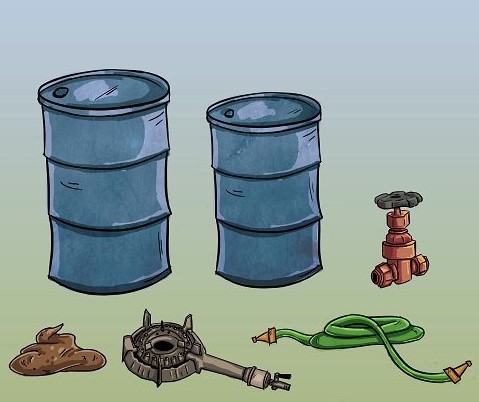
With growing concerns about environmental sustainability and energy efficiency, more households are seeking eco-friendly alternatives to traditional energy sources. One such solution is the home methane digester, a small-scale system that converts organic waste into biogas, a renewable energy source that can power homes for cooking, heating, and even electricity. Home methane digesters are increasingly becoming a viable option for eco-conscious homeowners looking to reduce their carbon footprint, manage waste more effectively, and save on energy costs.
What is a Home Methane Digester?
A home methane digester is an anaerobic digestion system designed to break down organic waste such as food scraps, garden clippings, and animal manure. Through a biological process in the absence of oxygen, microorganisms break down these materials to produce methane (CH4) and carbon dioxide (CO2). The methane gas generated can then be used as a clean-burning energy source for household needs, while the remaining byproduct, known as digestate, can be used as a nutrient-rich fertilizer.
1. Waste Management and Reduction
One of the most immediate benefits of installing a home methane digester is the ability to efficiently manage household waste. Organic waste, including kitchen scraps, yard waste, and even animal manure, can be put into the digester instead of being sent to landfills or compost heaps.
- – Reduction of Household Waste: Methane digesters can significantly reduce the amount of organic waste that a household generates. Instead of throwing kitchen scraps and organic materials into the trash, homeowners can turn waste into energy, reducing landfill waste.
- – Lower Greenhouse Gas Emissions: Landfills are one of the largest sources of methane emissions, which is a potent greenhouse gas. By using a methane digester, you capture and use the methane produced from organic waste, preventing it from being released into the atmosphere.
2. Renewable and Clean Energy Source
The methane produced by a home digester is a form of biogas, a renewable energy source that can be used to replace traditional fossil fuels. This makes home methane digesters a green energy solution that helps reduce a household’s reliance on non-renewable resources such as natural gas, coal, or propane.
- – Energy for Cooking and Heating: The biogas produced can be used for cooking on gas stoves, or for heating water and indoor spaces. It burns cleanly and efficiently, making it a safer alternative to traditional fuels.
- – Energy Independence: Installing a methane digester enables homeowners to produce their own energy. This can reduce reliance on the electrical grid or gas suppliers, providing a sense of energy security, especially in areas with inconsistent energy access.
3. Economic Savings
A home methane digester can result in considerable savings for homeowners over time.
- – Lower Energy Bills: By producing biogas for cooking, heating, and even electricity generation, households can reduce their monthly energy costs. This becomes especially significant in areas where energy costs are high.
- – Reduction in Fertilizer Costs: The digestate byproduct from the methane digester is a high-quality, organic fertilizer that can be used in home gardens, farms, or lawns. This eliminates the need to purchase synthetic fertilizers, leading to further cost savings.
4. Environmental Benefits
The environmental advantages of a home methane digester go beyond just waste management and renewable energy.
- – Lower Carbon Footprint: By using biogas, homeowners can reduce their dependence on fossil fuels, which directly lowers their carbon footprint. Biogas is a much cleaner-burning fuel compared to natural gas or coal, contributing to reduced air pollution.
- – Reduction of Methane Emissions: Methane is one of the most harmful greenhouse gases, and decomposing organic matter naturally emits this gas. A methane digester captures and repurposes this gas, significantly reducing its impact on the environment.
- – Organic Fertilizer: The digestate produced in the digestion process is an excellent organic fertilizer that is rich in nutrients like nitrogen and phosphorus. Unlike chemical fertilizers, it does not harm the soil or water systems, promoting sustainable agricultural practices.
5. Health Benefits
Methane digesters also offer health benefits, especially in regions where traditional cooking methods involve burning wood, charcoal, or other biomass fuels that produce harmful smoke.
- – Improved Indoor Air Quality: Biogas burns cleanly and efficiently, producing less smoke and fewer harmful emissions compared to traditional biomass fuels like wood or charcoal. This improves indoor air quality and reduces respiratory issues often caused by inhaling smoke from open fires or inefficient stoves.
- – Clean Cooking: In many developing countries, biogas provides a clean and affordable alternative for cooking, reducing the reliance on wood-burning stoves and improving health outcomes for families.
Conclusion
A home methane digester is a cost-effective, eco-friendly solution for managing waste and generating clean, renewable energy. It helps households reduce their carbon footprint, cut down on energy costs, and provides a source of organic fertilizer for gardens and farms. By turning waste into wealth, methane digesters offer a sustainable path toward energy independence, environmental preservation, and healthier living conditions.

