
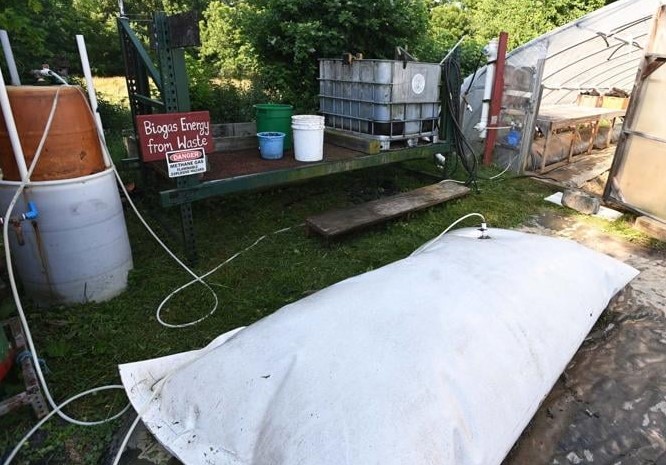
Biogas is a renewable energy source produced from the anaerobic digestion of organic matter. It consists primarily of methane (CH4) and carbon dioxide (CO2) and can be harnessed for a variety of applications. This article provides a comprehensive about biogas, including its production, benefits, and diverse applications.
What is Biogas?
Biogas is a type of biofuel that is generated from the decomposition of organic materials such as animal manure, food waste, agricultural residues, and sewage. The production of biogas occurs in an anaerobic digester, where microorganisms break down the organic matter in the absence of oxygen. The resulting biogas is a mixture of methane and carbon dioxide, with trace amounts of other gases.
How is Biogas Produced?
- 1. Feedstock Collection: Organic waste materials are collected and prepared for digestion. This can include livestock manure, crop residues, food scraps, and sewage.
- 2. Anaerobic Digestion: The prepared feedstock is fed into an anaerobic digester, a sealed tank that maintains an oxygen-free environment. Microbial organisms break down the organic matter, producing biogas and a nutrient-rich byproduct called digestate.
- 3. Biogas Collection: The biogas produced rises to the top of the digester and is collected in a gas chamber. This gas can be stored or used immediately for various applications.
- 4. Digestate Management: The remaining material, or digestate, is typically removed from the digester and can be used as a fertilizer due to its high nutrient content.
- 5. Gas Purification (Optional): For certain applications, the biogas may be purified to remove impurities like hydrogen sulfide (H2S) and moisture, resulting in biomethane.
Benefits of Biogas
- 1. Renewable Energy Source: Biogas is a sustainable and renewable energy source, reducing dependence on fossil fuels and decreasing greenhouse gas emissions.
- 2. Waste Management: Utilizing organic waste for biogas production helps manage and reduce waste, decreasing environmental pollution and minimizing odors associated with waste disposal.
- 3. Greenhouse Gas Reduction: By capturing methane that would otherwise be released into the atmosphere, biogas production mitigates the impact of this potent greenhouse gas on climate change.
- 4. Economic Advantages: Biogas systems can reduce energy costs, generate income through the sale of gas or electricity, and create job opportunities in the renewable energy sector.
- 5. Soil Fertility: The digestate produced is an excellent organic fertilizer that enhances soil health and reduces the need for chemical fertilizers.
Applications of Biogas
- 1. Cooking and Heating: Biogas can be used as a fuel for cooking and heating, providing a clean and efficient alternative to traditional fuels such as wood or charcoal. It is particularly useful in rural and off-grid areas.
- 2. Electricity Generation: Biogas can be used to generate electricity through combustion in gas engines or turbines. This application is suitable for larger-scale biogas systems, including those on farms or in industrial settings.
- 3. Transport Fuel: Purified biogas, or biomethane, can be compressed and used as a fuel for vehicles. This application offers a sustainable alternative to gasoline and diesel, reducing emissions and dependence on fossil fuels.
- 4. Agricultural Use: On farms, biogas systems can manage animal manure and other agricultural waste. The biogas produced can be used for energy, while the digestate serves as a valuable fertilizer for crops.
- 5. Industrial Applications: In industrial settings, biogas can be used for process heating or as a backup power source. Its use helps reduce overall energy costs and enhances sustainability practices.
- 6. Community Projects: Small-scale biogas systems can be implemented in community projects, providing renewable energy and waste management solutions for schools, community centers, and local organizations.
- 7. Wastewater Treatment: Biogas is produced during the treatment of sewage and wastewater in municipal treatment plants. The biogas can be captured and used for energy, while the treated sludge is often utilized as a fertilizer.
Conclusion
Biogas represents a versatile and sustainable energy solution with a wide range of applications. From reducing waste and greenhouse gas emissions to providing renewable energy for cooking, heating, and transportation, biogas offers numerous benefits for individuals, businesses, and communities. By harnessing the power of organic waste, biogas contributes to a greener and more sustainable future.
 Manufacturer of biogas analyzer, landfill gas analyzer and extraction monitor, anaerobic digester gas analyzer