

In the quest for sustainable and environmentally friendly energy sources, methane biofuel has emerged as a promising candidate. Derived from organic materials, methane biofuel offers a cleaner alternative to traditional fossil fuels, with significant benefits for both the environment and energy security. This article explores what methane biofuel is, how it is produced, its advantages, and its potential role in the future energy landscape.
What is Methane Biofuel?
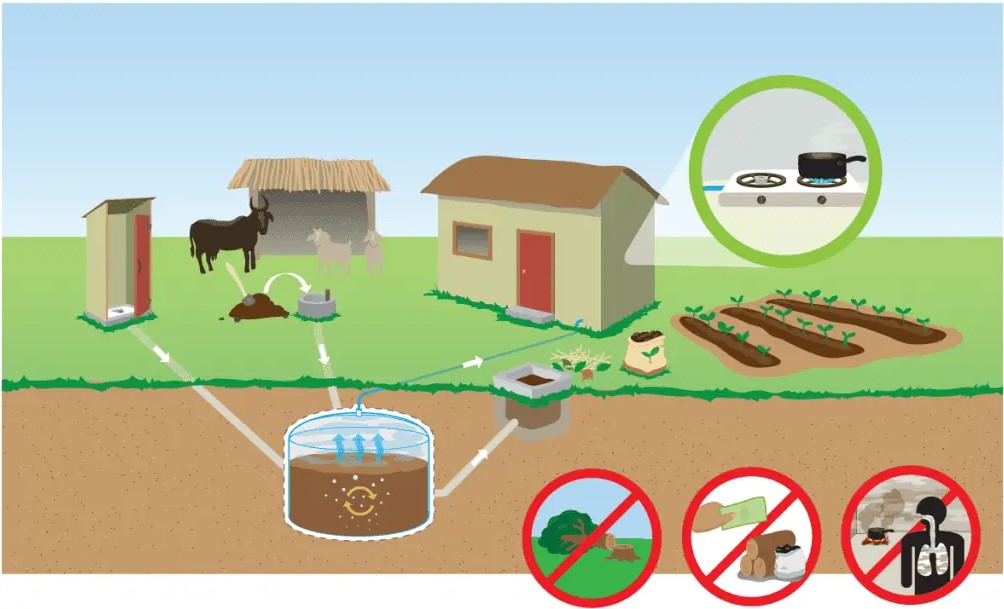
Methane biofuel is a type of biogas primarily composed of methane (CH4), a simple hydrocarbon. It is produced through the anaerobic digestion of organic matter, such as agricultural waste, manure, sewage, or food scraps, by microorganisms in the absence of oxygen. This process not only generates methane but also produces carbon dioxide (CO2) and other trace gases.
Production Process
1. Feedstock Collection: Organic materials are collected from various sources like farms, wastewater treatment plants, and food processing facilities.
2. Anaerobic Digestion: The collected feedstock is placed in an anaerobic digester, a sealed environment where microorganisms break down the organic material. This digestion process typically occurs in large tanks or reactors.
3. Methane Capture: As the organic matter decomposes, methane gas is released. This gas is captured and can be refined to remove impurities.
4. Energy Generation: The purified methane can be used to generate electricity and heat or can be processed into renewable natural gas (RNG) for use as a fuel for vehicles or injection into the natural gas grid.
Advantages of Methane Biofuel
1. Reduced Greenhouse Gas Emissions: Methane biofuel produces lower levels of greenhouse gases compared to fossil fuels. While methane is itself a potent greenhouse gas, using it as a fuel captures it before it can be released into the atmosphere, thereby reducing its overall impact.
2. Waste Management: The production of methane biofuel provides an effective way to manage organic waste. By diverting waste from landfills and treatment plants, it helps reduce methane emissions from these sources and decreases pollution.
3. Energy Independence: Methane biofuel can be produced locally, reducing reliance on imported fossil fuels. This can enhance energy security and stimulate local economies by creating jobs in waste management and energy production.
4. Renewable Resource: Unlike fossil fuels, which are finite, methane biofuel is renewable. As long as there is organic material to decompose, methane can be continually produced.
5. Economic Benefits: The use of methane biofuel can lead to cost savings in waste disposal and energy production. Additionally, investing in biofuel infrastructure can provide economic opportunities and promote technological innovation.
Challenges and Considerations
1. Infrastructure Requirements: Efficient production and distribution of methane biofuel require significant infrastructure, including anaerobic digesters and gas processing facilities.
2. Technological Advancements: Continued research and development are needed to improve the efficiency and cost-effectiveness of methane production and utilization technologies.
3. Methane Leakage: Methane is a potent greenhouse gas, and any leakage during production, storage, or transportation can negate some of the environmental benefits. Proper management and monitoring are essential to minimize leaks. It is necessary to monitor the composition of biogas. For example, the OLGA2000 biogas online monitoring system uses advanced photoelectric sensing principles to detect methane (CH4), oxygen (O2), carbon dioxide (CO2), hydrogen sulfide (H2S), etc.

4. Regulatory and Policy Framework: Effective policies and regulations are necessary to support the development and integration of methane biofuel into the energy market.
The Future of Methane Biofuel
As the world transitions towards cleaner energy sources, methane biofuel stands out as a viable and sustainable option. Its ability to reduce greenhouse gas emissions, manage waste, and provide local energy solutions makes it a valuable component of a diversified energy portfolio. With ongoing advancements in technology and supportive policy frameworks, methane biofuel has the potential to play a significant role in achieving a greener and more sustainable future.

