
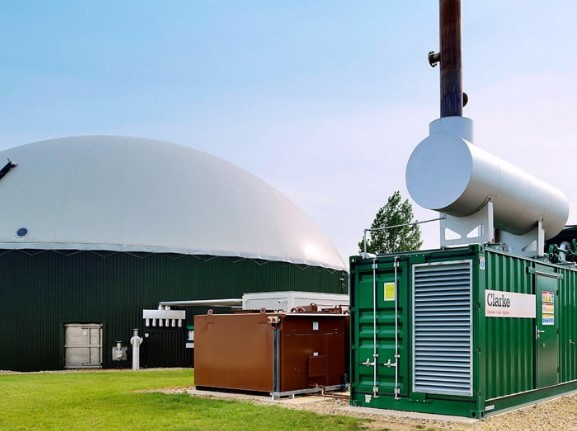
In the quest for sustainable energy solutions, industrial biogas plants have emerged as key players. These facilities convert large volumes of organic waste into biogas, providing a renewable energy source that can power industries, communities, and even entire regions. This article explores the role of industrial biogas plants in the renewable energy landscape, their operational mechanics, benefits, and the potential they hold for a sustainable future.
Understanding Industrial Biogas Plants
Industrial biogas plants operate on the principle of anaerobic digestion, where organic matter is decomposed by microorganisms in an oxygen-free environment to produce biogas. This biogas primarily consists of methane (CH₄) and carbon dioxide (CO₂), with methane being the valuable component for energy production. The process also generates a nutrient-rich digestate, which can be used as a fertilizer.
The Operational Mechanics
1. Feedstock Collection and Preparation:
– Sources: Industrial biogas plants typically source their feedstock from agricultural waste, food industry waste, livestock manure, and municipal organic waste.
– Pre-treatment: The collected feedstock is pre-treated to enhance its biodegradability. This can include mechanical shredding, heating, or chemical treatments to break down complex organic compounds.
2. Anaerobic Digestion:
– Digester Types: Industrial biogas plants use large-scale digesters, which can be either continuous flow reactors or batch reactors, depending on the operational design and feedstock type.
– Microbial Activity: The organic matter is fed into the digesters, where anaerobic bacteria decompose it over several weeks, producing biogas and digestate.
3. Biogas Collection and Utilization:
– Gas Collection: The biogas produced is collected and stored in gas holders.
– Energy Conversion: Biogas can be used directly for heating, or it can be upgraded to biomethane by removing CO₂ and other impurities, making it suitable for injection into the natural gas grid or use as vehicle fuel.
4. Digestate Management:
– Solid-Liquid Separation: The digestate is typically separated into solid and liquid fractions. The solid fraction can be further composted, while the liquid fraction can be used as a nutrient-rich fertilizer.

Benefits of Industrial Biogas Plants
1. Renewable Energy Generation:
– Electricity and Heat: Biogas can be used to generate electricity and heat through combined heat and power (CHP) systems, providing a stable and renewable energy source.
– Natural Gas Substitute: Upgraded biomethane can replace natural gas, reducing reliance on fossil fuels and lowering greenhouse gas emissions.
2. Waste Management:
– Organic Waste Reduction: Industrial biogas plants provide an efficient solution for managing large volumes of organic waste, diverting it from landfills and reducing methane emissions from waste decomposition.
– Nutrient Recycling: The digestate produced can be used as a high-quality organic fertilizer, recycling nutrients back into the soil and reducing the need for chemical fertilizers.
3. Environmental Benefits:
– GHG Emission Reduction: By capturing and utilizing methane from organic waste, industrial biogas plants significantly reduce greenhouse gas emissions.
– Soil Health Improvement: The application of digestate as fertilizer enhances soil health and fertility, promoting sustainable agricultural practices.
4. Economic Opportunities:
– Job Creation: The construction and operation of industrial biogas plants create job opportunities in rural and urban areas.
– Energy Independence: Biogas production can contribute to energy security by providing a locally-sourced, renewable energy supply.
Conclusion
Industrial biogas plants represent a powerful solution for generating renewable energy, managing organic waste, and promoting sustainable agricultural practices. By converting large-scale organic waste into biogas, these plants not only reduce greenhouse gas emissions but also provide a renewable energy source that can power industries and communities. Despite the challenges, the future of industrial biogas plants looks promising with advancements in technology, supportive policies, and growing awareness of the need for sustainable energy solutions. As we move towards a greener future, industrial biogas plants will undoubtedly play a crucial role in shaping a sustainable and resilient energy landscape.
 Manufacturer of biogas analyzer, landfill gas analyzer and extraction monitor, anaerobic digester gas analyzer