
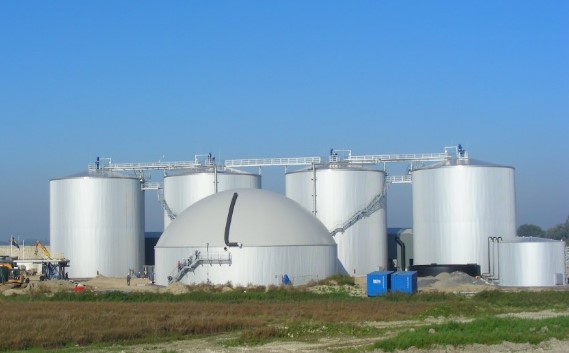
Biogas plants play a crucial role in converting organic waste into renewable energy, providing both environmental and economic benefits. The efficiency and longevity of these plants heavily depend on the maintenance and management of their digesters, the core units where anaerobic digestion occurs. Effective maintenance and management practices ensure consistent biogas production, minimize operational downtime, and extend the lifespan of the equipment. This article outlines key strategies for maintaining and managing digesters in biogas plants.
1. Regular Inspection and Monitoring
Routine inspection and monitoring are essential for identifying potential issues before they escalate into major problems.
- – Visual Inspections: Regular visual inspections of the digester’s exterior and interior (if possible) can help detect signs of wear and tear, corrosion, leaks, and structural damage.
- – Parameter Monitoring: Continuously monitor critical parameters such as temperature, pH, gas production rates, and pressure. Automated monitoring systems can provide real-time data, alerting operators to deviations from optimal conditions.
2. Temperature Control
Maintaining a stable temperature is vital for microbial activity within the digester.
- – Heating Systems: Ensure that the heating systems are functioning correctly and that heat distribution is even throughout the digester. Regularly check and maintain heat exchangers, boilers, and insulation.
- – Cooling Mechanisms: In thermophilic digesters, cooling mechanisms may be necessary to prevent overheating. Ensure cooling systems are operational and efficiently regulating the digester temperature.
3. Mixing and Agitation
Proper mixing and agitation prevent the formation of scum layers and sediment, ensuring uniform microbial activity and substrate distribution.
- – Mixing Equipment: Regularly inspect and maintain mechanical mixers, stirrers, or gas recirculation systems to ensure they are functioning effectively.
- – Operational Checks: Periodically check the mixing patterns to avoid dead zones and ensure that the entire volume of the digester is being effectively mixed.
4. Feedstock Management
Efficient feedstock management ensures consistent biogas production and prevents process imbalances.
- – Feedstock Quality: Monitor the quality of incoming feedstock to ensure it is free from contaminants that could inhibit microbial activity or damage the digester.
- – Feeding Schedule: Maintain a consistent feeding schedule to avoid overloading or underfeeding the digester, which can lead to process instability.
5. Digestate Management
Effective management of the digestate, the by-product of the anaerobic digestion process, is crucial for maintaining digester performance.
- – Separation Systems: Ensure that solid-liquid separation systems are functioning correctly to manage the digestate effectively.
- – Digestate Quality: Regularly test the digestate for nutrient content and contamination levels to ensure it meets regulatory standards for use as a fertilizer.
6. Gas Management
Proper gas management is essential for maximizing biogas production and ensuring safety.
- – Gas Collectors: Regularly inspect and maintain gas collectors, storage tanks, and piping systems to prevent leaks and ensure efficient gas collection.
- – Pressure Control: Monitor gas pressure levels and ensure that pressure relief valves are functioning correctly to prevent over-pressurization.
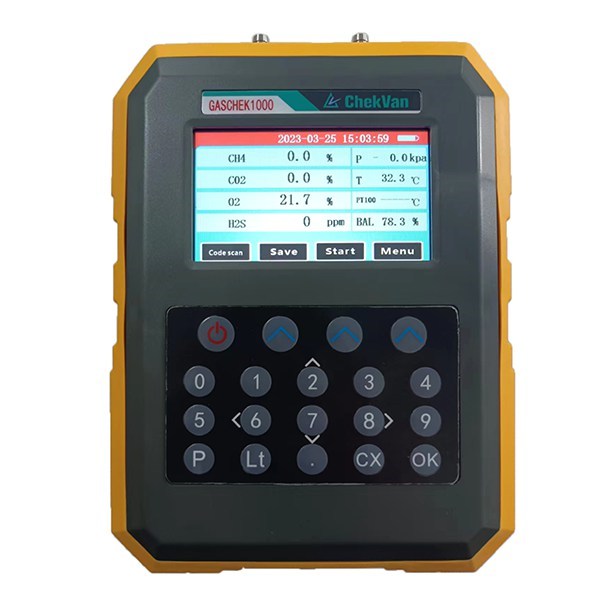
Such as the GASCHEK1000 portable biogas analyzer, use advanced photoelectric sensing principles to detect and analyze methane (CH4), oxygen (O2), carbon dioxide (CO2), hydrogen sulfide (H2S) and other gases, and accurately report , while effectively checking the digestive process.
7. Maintenance Schedule
Implementing a structured maintenance schedule helps in systematically addressing maintenance tasks and preventing unexpected failures.
- – Preventive Maintenance: Develop a preventive maintenance plan that includes routine inspections, cleaning, lubrication, and part replacements based on manufacturer recommendations and operational experience.
- – Record Keeping: Maintain detailed records of all maintenance activities, inspections, and repairs. This information can help in identifying recurring issues and planning future maintenance.
8. Training and Safety
Proper training and adherence to safety protocols are essential for safe and efficient digester operation.
- – Operator Training: Regularly train plant operators and maintenance personnel on the latest maintenance practices, safety procedures, and emergency response protocols.
- – Safety Protocols: Implement and enforce strict safety protocols to protect personnel from hazards such as gas leaks, explosions, and exposure to harmful substances.

