
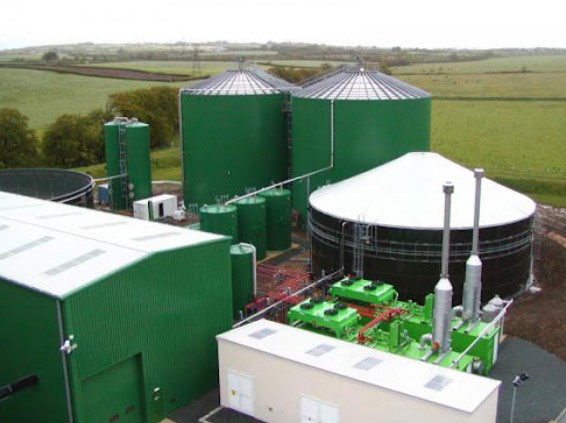
Commercial biogas plants are essential components of the renewable energy landscape, converting organic waste into biogas for energy production and reducing greenhouse gas emissions. However, the success and sustainability of these plants depend heavily on their operational efficiency. Optimizing operations in commercial biogas plants is critical for maximizing biogas yield, ensuring economic viability, and minimizing environmental impact. This article delves into strategies and best practices for achieving maximum efficiency in commercial biogas plant operations.
1. Feedstock Management
Efficient feedstock management is the cornerstone of optimizing biogas plant operations. The quality, quantity, and consistency of feedstock directly affect biogas production.
- – Diverse Feedstock Utilization: Utilizing a mix of feedstocks, such as agricultural residues, food waste, and animal manure, can enhance microbial activity and biogas yield. Diversifying feedstock also helps in mitigating the risk of supply shortages.
- – Pre-treatment Techniques: Pre-treating feedstock through mechanical, thermal, or chemical processes can break down complex organic materials, making them more accessible to anaerobic microbes and increasing biogas production.
- – Feedstock Consistency: Maintaining a consistent feedstock supply in terms of quantity and composition ensures steady biogas production and prevents process fluctuations.
2. Optimizing Digester Performance
The anaerobic digester is the heart of a biogas plant. Optimizing its performance is crucial for maximizing biogas output.
- – Temperature Control: Maintaining an optimal temperature range (mesophilic: 30-40°C or thermophilic: 50-60°C) is essential for microbial activity. Automated heating and cooling systems can help maintain stable temperatures.
- – pH Balance: The pH level within the digester should be monitored and maintained between 6.5 and 7.5 to ensure optimal microbial activity. Buffering agents can be added to stabilize pH levels.
- – Mixing Efficiency: Proper mixing of the digester contents prevents the formation of scum and sediment, ensuring even distribution of microbes and feedstock. Mechanical mixers or gas recirculation systems can be used to enhance mixing.
3. Process Monitoring and Control
Advanced monitoring and control systems are vital for ensuring the efficient operation of commercial biogas plants.
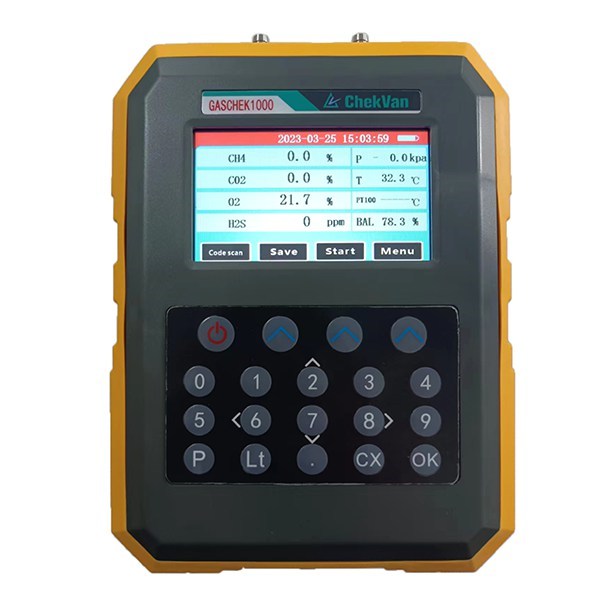
- – Automated Monitoring Systems: Implementing automated systems for real-time monitoring of critical parameters such as temperature, pH, gas production, and feedstock input helps in identifying and addressing issues promptly. Such as the GASCHEK1000 portable biogas analyzer, use advanced photoelectric sensing principles to detect and analyze methane (CH4), oxygen (O2), carbon dioxide (CO2), hydrogen sulfide (H2S) and other gases, and accurately report , while effectively checking the digestive process.
- – Data Analytics: Leveraging data analytics to analyze operational data can provide insights into performance trends, identify inefficiencies, and suggest optimization measures.
- – Control Systems: Integrating control systems that automatically adjust operational parameters based on real-time data can enhance process stability and efficiency.
4. Maintenance and Upkeep
Regular maintenance and proactive upkeep of equipment are essential for minimizing downtime and ensuring smooth operations.
- – Preventive Maintenance: Establishing a preventive maintenance schedule for equipment such as pumps, mixers, and digesters helps in identifying and addressing potential issues before they escalate.
- – Routine Inspections: Conducting routine inspections of critical components can help detect wear and tear, leaks, and other problems that could affect efficiency.
- – Training and Development: Ensuring that plant operators are well-trained in maintenance procedures and best practices can significantly improve operational reliability.
5. Utilizing By-products
Maximizing the utilization of by-products from the anaerobic digestion process can enhance the overall efficiency and profitability of a biogas plant.
- – Digestate Management: The nutrient-rich digestate produced during anaerobic digestion can be processed into biogas compost and used as organic fertilizer, providing an additional revenue stream and reducing waste.
- – Waste Heat Recovery: Recovering and utilizing waste heat from the biogas combustion process for heating the digester or other applications can improve overall energy efficiency.
Conclusion
Optimizing operations in commercial biogas plants involves a multifaceted approach encompassing feedstock management, digester performance, process monitoring, maintenance, by-product utilization, and regulatory compliance. By implementing these strategies, commercial biogas plants can achieve maximum efficiency, enhance biogas production, and contribute to a more sustainable and economically viable energy future. As the demand for renewable energy continues to grow, the optimization of biogas plant operations will play a pivotal role in meeting global energy needs while mitigating environmental impact.
 Manufacturer of biogas analyzer, landfill gas analyzer and extraction monitor, anaerobic digester gas analyzer