
As the world increasingly embraces renewable and sustainable energy sources, biogas production has gained significant attention for its environmental and economic benefits. Biogas, a mixture of methane and carbon dioxide produced through the anaerobic digestion of organic materials, offers an eco-friendly alternative to traditional fossil fuels. If you’re considering investing in a biogas plant, it’s essential to understand the factors that influence plant prices to budget effectively for your project. In this article, we will delve into these factors to help you make informed decisions about your biogas venture.
1. Plant Size and Capacity
The size and capacity of a biogas plant are primary determinants of its cost. Larger plants, capable of processing more organic material and producing higher volumes of biogas, tend to be more expensive. The size of the plant should align with your specific needs and the amount of organic waste available for digestion.
2. Feedstock Type and Availability
The type of feedstock used in the biogas plant significantly impacts both the initial investment and ongoing operational costs. Common feedstocks include agricultural residues, food waste, sewage sludge, and energy crops. The availability of your chosen feedstock in your region can also affect plant pricing. Utilizing readily accessible feedstock can reduce costs.
3. Digester Technology and Design
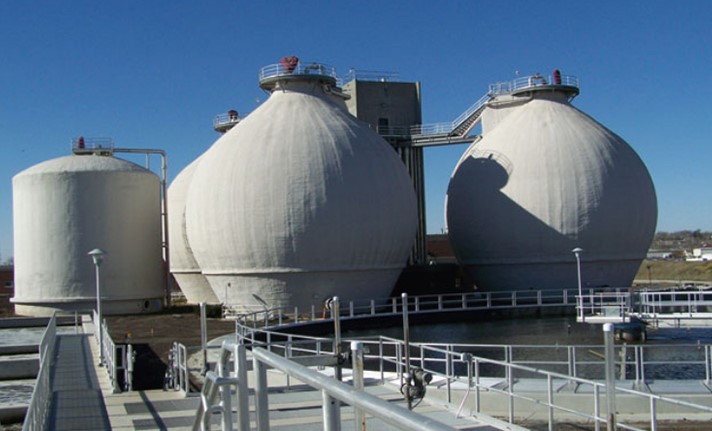
Various digester technologies and designs are available, each with its own advantages and cost implications. Common types include continuous stirred-tank reactors (CSTRs), plug-flow digesters, and fixed-dome digesters. The choice of technology should consider factors such as feedstock type, temperature requirements, and desired biogas output.
4. Gas Utilization System
The system used to capture and utilize the produced biogas affects the overall plant cost. Biogas can be used for cooking, heating, electricity generation, or as a vehicle fuel. The complexity of the gas utilization system, including storage, purification, and distribution, will influence the budget.
5. Location and Infrastructure
The location of the biogas plant plays a significant role in its cost. If infrastructure such as electricity and water supply is readily available at the site, costs may be lower. However, remote locations might require additional investment in infrastructure, affecting the overall budget.
6. Regulations and Permits
Compliance with local regulations and obtaining necessary permits can add to the overall project cost. It’s crucial to budget for the legal and regulatory aspects of biogas plant installation and operation.
7. Maintenance and Operational Costs
While initial plant costs are significant, it’s essential to consider long-term maintenance and operational expenses. Routine maintenance, feedstock supply, and labor costs should be factored into your budget to ensure the sustained success of your biogas venture.
8. Project Financing and Incentives
Explore available financing options and incentives for renewable energy projects in your region. Government subsidies, grants, or favorable loan terms can significantly reduce the financial burden of biogas plant installation.
By understanding these factors and conducting a thorough feasibility study, you can create a realistic budget that ensures the success of your biogas project. Biogas production not only provides a renewable energy source but also offers significant environmental benefits, making it a worthwhile investment in the transition to a more sustainable and eco-friendly energy landscape.
 Manufacturer of biogas analyzer, landfill gas analyzer and extraction monitor, anaerobic digester gas analyzer