

In the pursuit of sustainable living and environmentally friendly energy sources, gobar gas plants are increasingly gaining recognition for their remarkable benefits. Commonly known as biogas plants, these systems utilize organic waste, particularly cattle dung (gobar), to produce a clean and renewable source of energy.
Gobar Gas Plants: An Introduction
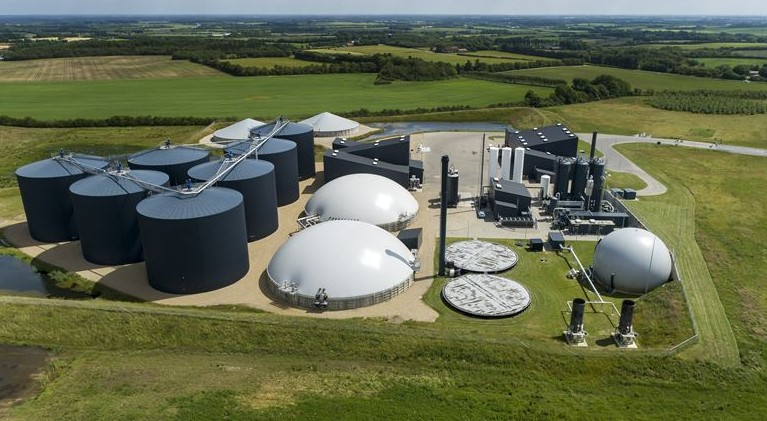
Gobar gas plants, often referred to as biogas plants, are designed to harness the natural process of anaerobic digestion. This process occurs when microorganisms break down organic materials in the absence of oxygen, producing a gas mixture primarily composed of methane (CH4) and carbon dioxide (CO2). The key components of a gobar gas plant typically include:
1. Digester: The heart of the system, where organic waste, primarily cattle dung, is mixed with water and introduced into an airtight chamber. Here, microorganisms break down the organic matter, releasing biogas as a byproduct.
2. Gas Holder: Biogas produced in the digester is stored in a gas holder, which can be a floating drum or a fixed-dome structure. This storage ensures a constant pressure and supply of biogas.
3. Inlet and Outlet: These are used for feeding organic waste into the digester and collecting the nutrient-rich slurry (digestate) that remains after digestion.
4. Gas Delivery System: This system allows users to channel the biogas for cooking, heating, or other applications.
5. Monitoring equipment: biogas analyzer, which uses advanced photoelectric sensing principles to detect methane. For example, the GASCHEK1000 portable biogas analyzer adopts advanced photoelectric sensing principles and can detect methane (CH4), oxygen (O2), carbon dioxide (CO2), hydrogen sulfide (H2S), etc. It can realize gas detection and analysis, accurate reporting, and efficient inspection of the digestion process.

The Benefits of Gobar Gas Plants
1. Clean and Renewable Energy: Gobar gas is a clean and renewable energy source, significantly reducing dependence on fossil fuels and lowering greenhouse gas emissions.
2. Waste Management: These systems efficiently manage organic waste, diverting it from landfills and reducing the environmental impact of waste disposal.
3. Cost Savings: By producing their energy for cooking or heating, households and farmers can reduce their utility bills over time, resulting in substantial cost savings.
4. Reduced Carbon Footprint: The use of biogas significantly reduces the carbon footprint associated with traditional energy sources, contributing to climate change mitigation.
5. Energy Independence: Gobar gas plants offer a locally sourced and produced energy solution, reducing reliance on centralized energy grids and imported fuels.
6. Nutrient-Rich Byproduct: The nutrient-rich digestate serves as an excellent organic fertilizer, improving soil quality and crop yields in agriculture.
Installation and Maintenance
Setting up a gobar gas plant requires careful planning and proper maintenance. The steps typically involve selecting a suitable location, choosing the right digester design, collecting organic waste materials, ensuring proper digestion conditions, and regularly maintaining the system for optimal performance.
Challenges and Considerations
– Feedstock Availability: The consistent availability of cattle dung and other organic waste materials can be a challenge, especially in urban areas.
– Initial Investment: There is an initial cost associated with setting up the necessary infrastructure, such as digesters and gas storage.
– Maintenance: Regular maintenance of the biogas plant is essential for optimal performance and longevity.
Gobar gas plants are more than just a technology; they represent a sustainable way of life. By converting cattle dung and other organic waste into clean energy and nutrient-rich fertilizer, these systems offer a holistic solution to energy production, waste management, and sustainable agriculture. In an era where environmental consciousness is on the rise, gobar gas plants are a shining example of how we can harness nature’s processes to create a greener and more sustainable future, right in our own backyards.

