

Biogas is a promising renewable energy source derived from organic materials. At the core of its production lies a natural process called anaerobic digestion (AD)—a biological mechanism where microorganisms break down organic matter in the absence of oxygen. This process not only produces biogas (a mix of methane and carbon dioxide) but also generates aContinue reading “Anaerobic Digestion in Biogas Production: How It Works”
Category Archives: Biogas knowledge
Hydrogen Biogas: A New Frontier in Renewable Energy
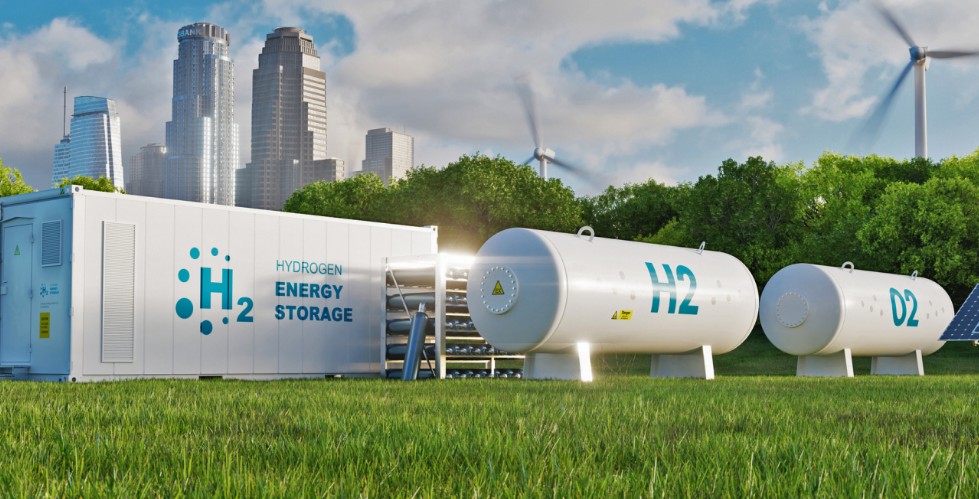
As the global energy landscape shifts away from fossil fuels, renewable alternatives like solar, wind, and bioenergy are gaining prominence. Among these, biogas has long played a role in turning organic waste into useful energy. Now, with advancements in technology and rising interest in clean fuels, hydrogen-enhanced biogas—or hydrogen biogas—is emerging as a cutting-edge developmentContinue reading “Hydrogen Biogas: A New Frontier in Renewable Energy”
Benefits of Using Bio Compressed Natural Gas Over Fossil CNG
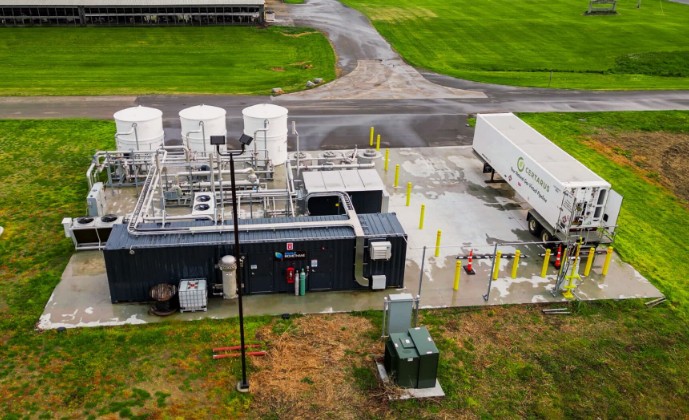
As global attention turns toward reducing greenhouse gas emissions and building a cleaner energy economy, Bio Compressed Natural Gas (Bio-CNG) has emerged as a promising alternative to traditional Fossil-based Compressed Natural Gas (CNG). While both fuels are composed primarily of methane and can be used interchangeably in CNG vehicles, their sources, environmental impacts, and long-termContinue reading “Benefits of Using Bio Compressed Natural Gas Over Fossil CNG”
Biogas vs Fossil Fuels: The Renewable Energy Debate
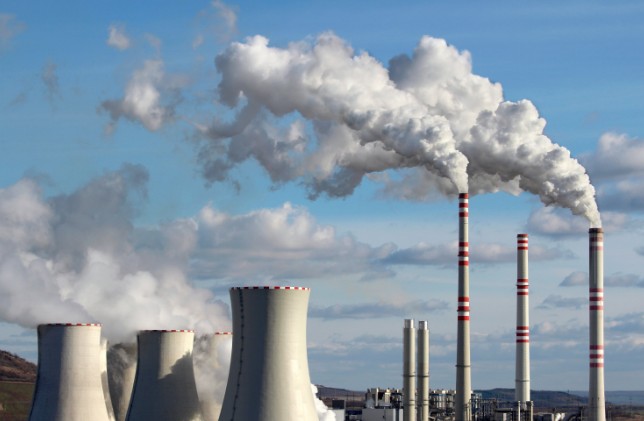
As global concerns about climate change intensify, the energy sector finds itself at a critical crossroads. The need to transition from fossil fuels to sustainable energy sources has never been more urgent. One promising alternative is biogas—a renewable fuel produced from organic waste through anaerobic digestion. But how does biogas truly compare to traditional fossilContinue reading “Biogas vs Fossil Fuels: The Renewable Energy Debate”
Biogas from Water Hyacinth: A Sustainable Waste Solution
Water hyacinth (Eichhornia crassipes) is one of the world’s most invasive aquatic plants. Known for its rapid growth and ability to choke waterways, it poses serious ecological, agricultural, and economic challenges in many tropical and subtropical regions. However, this problematic plant may also hold the key to a renewable energy solution: biogas production. By usingContinue reading “Biogas from Water Hyacinth: A Sustainable Waste Solution”
Understanding Biogas CH₄: The Key to Clean Energy
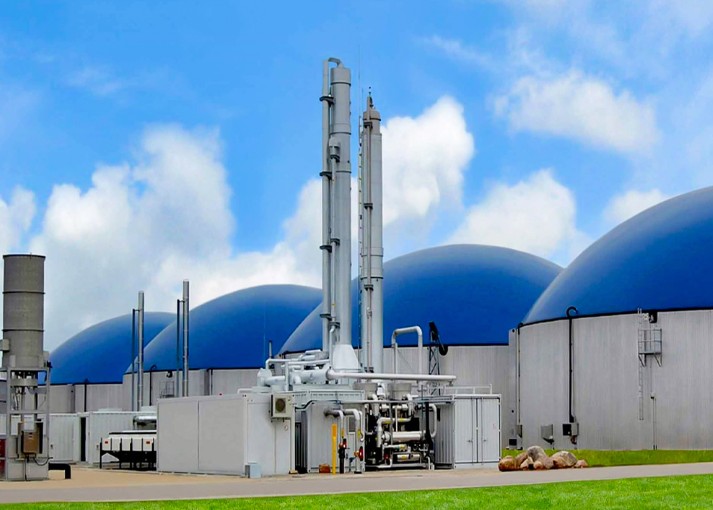
As the world intensifies efforts to combat climate change and reduce its dependence on fossil fuels, biogas has emerged as a compelling renewable energy source. At the heart of biogas lies methane (CH₄)—the primary component that makes it such a potent fuel. Understanding the role of methane in biogas systems is essential to unlocking theContinue reading “Understanding Biogas CH₄: The Key to Clean Energy”
How a Biogas to CNG Plant Works: A Cleaner Fuel Pathway

As the world intensifies efforts to reduce dependence on fossil fuels, Compressed Natural Gas (CNG) has emerged as a cleaner alternative, particularly in the transportation sector. What makes it even more sustainable is when CNG is derived from biogas—a renewable fuel produced from organic waste. A biogas to CNG plant plays a critical role in convertingContinue reading “How a Biogas to CNG Plant Works: A Cleaner Fuel Pathway”
Key Biogas Measurement Units and How to Use Them Effectively

Biogas, a renewable energy source primarily composed of methane (CH₄) and carbon dioxide (CO₂), is produced through the anaerobic digestion of organic matter. As its role in energy generation grows, understanding the units used to measure biogas production, composition, and energy output becomes increasingly important. Accurate measurement is vital for process optimization, commercial trading, environmentalContinue reading “Key Biogas Measurement Units and How to Use Them Effectively”
Advantages of Using Small Biogas Units in Remote Areas
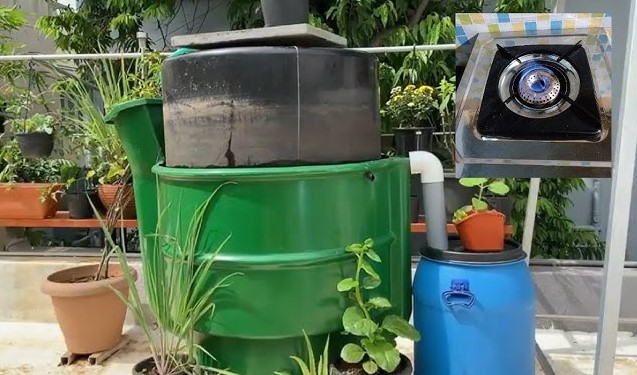
In many remote and off-grid areas around the world, access to clean energy remains a persistent challenge. Traditional fuels like firewood, charcoal, and kerosene are still widely used, leading to environmental degradation, indoor air pollution, and high health risks. Small biogas units offer a sustainable and practical solution to these problems by converting organic waste intoContinue reading “Advantages of Using Small Biogas Units in Remote Areas”
Homemade Biogas Plant: A Low-Cost Solution for Green Energy

As concerns over rising energy costs and environmental degradation increase, more people are turning to sustainable, low-cost alternatives for everyday energy needs. One such solution is a homemade biogas plant—a simple system that allows individuals and small communities to produce clean fuel from organic waste. Whether you’re in a rural area with livestock or anContinue reading “Homemade Biogas Plant: A Low-Cost Solution for Green Energy”
 Manufacturer of biogas analyzer, landfill gas analyzer and extraction monitor, anaerobic digester gas analyzer