

The dairy industry faces increasing pressure to reduce its environmental footprint while maintaining productivity and profitability. Among the most promising solutions to this challenge is the development and use of dairy biogas systems. By converting manure and organic waste into renewable energy, biogas not only addresses waste management concerns but also supports energy independence andContinue reading “The Role of Dairy Biogas in Sustainable Livestock Farming”
Category Archives: Biogas knowledge
Factors That Influence the Cost of a Biogas Plant Installation
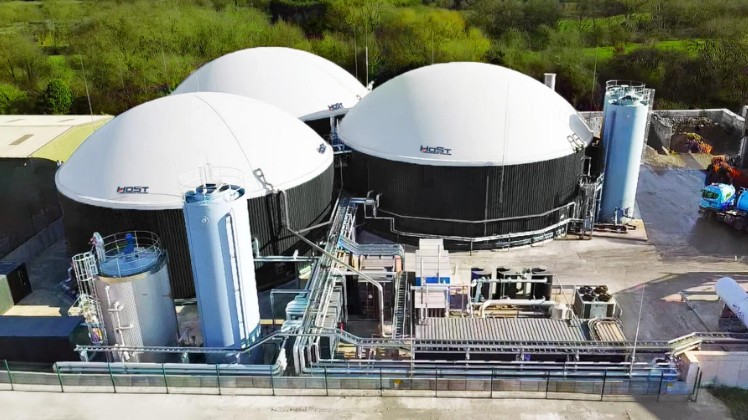
As demand for clean and renewable energy grows, biogas plants are becoming a preferred solution for managing organic waste while producing electricity, heat, or clean fuel. However, one of the key questions for businesses, farmers, and municipalities considering this technology is: What does it cost to install a biogas plant? The answer depends on severalContinue reading “Factors That Influence the Cost of a Biogas Plant Installation”
The Future of Biogas Plant Electricity Production in Renewable Energy
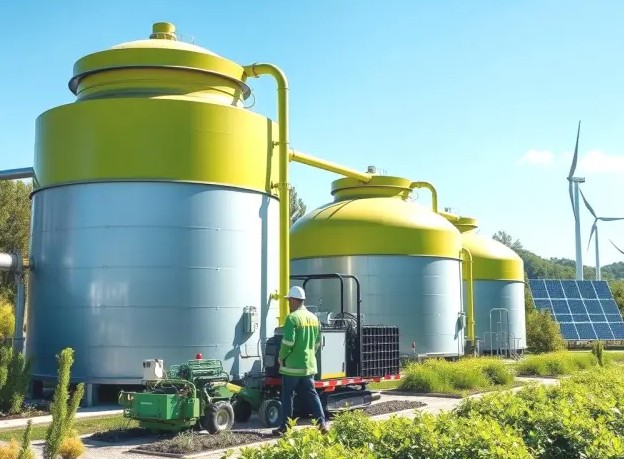
As the global community intensifies efforts to combat climate change, the need for reliable, renewable, and decentralized energy solutions is greater than ever. While solar, wind, and hydro power dominate headlines, biogas is gaining renewed attention for its unique ability to convert organic waste into continuous, on-demand electricity. With technological advancements and increasing policy support,Continue reading “The Future of Biogas Plant Electricity Production in Renewable Energy”
How a Biodigester for Home Use Can Cut Energy Bills and Waste
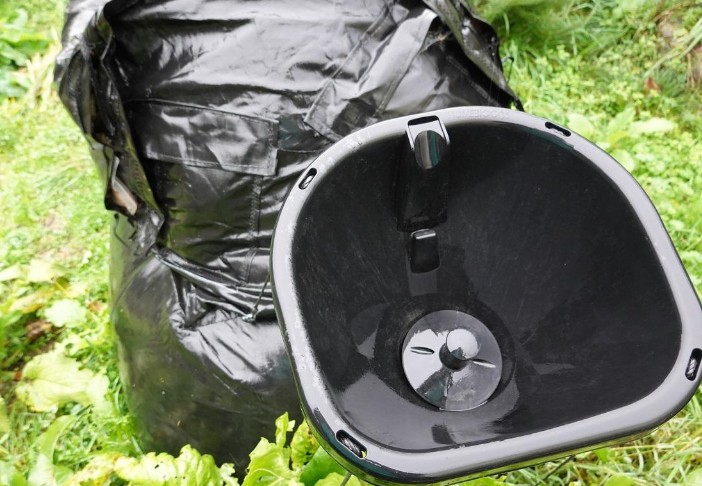
As global interest in renewable energy and sustainable living continues to grow, many households are exploring ways to reduce their environmental impact while saving on utility costs. One increasingly popular solution is the biodigester—a small-scale system that converts organic waste into clean, usable energy. For homes, especially in rural or semi-urban areas, a biodigester forContinue reading “How a Biodigester for Home Use Can Cut Energy Bills and Waste”
Understanding the Bio CNG Manufacturing Process: A Complete Guide
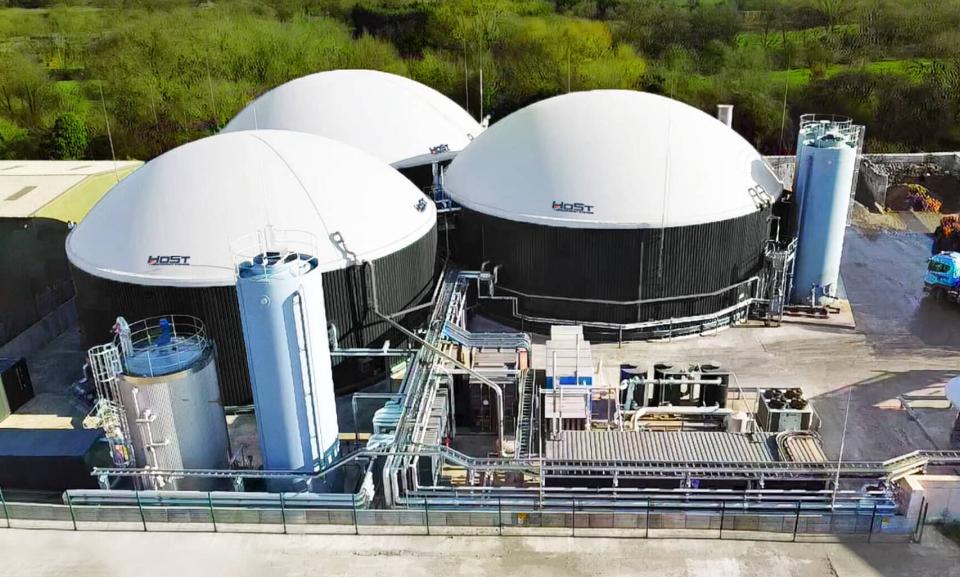
As the world shifts toward cleaner energy solutions, Bio CNG (Compressed Natural Gas derived from biogas) has emerged as a sustainable and economically viable alternative to fossil fuels. Bio CNG is chemically identical to natural gas but produced from organic waste, making it renewable and carbon-neutral. This guide outlines the entire Bio CNG manufacturing process—fromContinue reading “Understanding the Bio CNG Manufacturing Process: A Complete Guide”
Biogas Use for Cooking, Power, and Vehicle Fuel
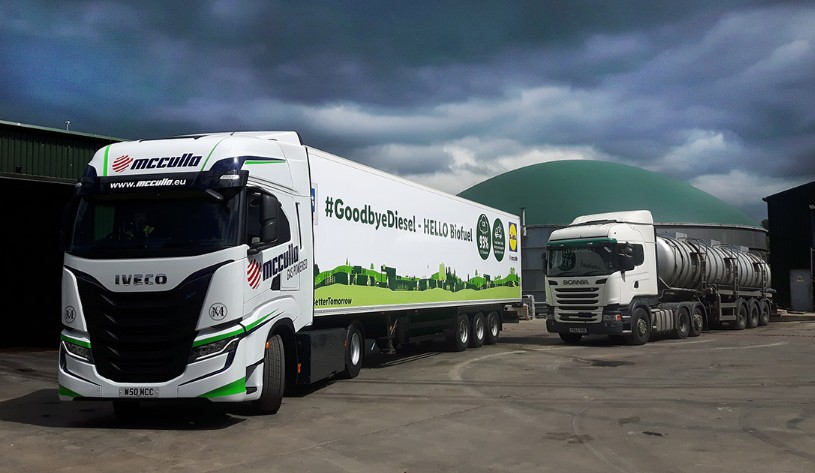
Biogas is a clean, renewable energy source derived from the anaerobic digestion of organic matter such as animal manure, food waste, and agricultural residues. Composed primarily of methane (CH₄) and carbon dioxide (CO₂), biogas has gained global recognition as a versatile solution for sustainable energy production. Its applications go far beyond rural cooking—today, biogas powers homes,Continue reading “Biogas Use for Cooking, Power, and Vehicle Fuel”
Advanced Biogas Systems: Improving Yield and Stability
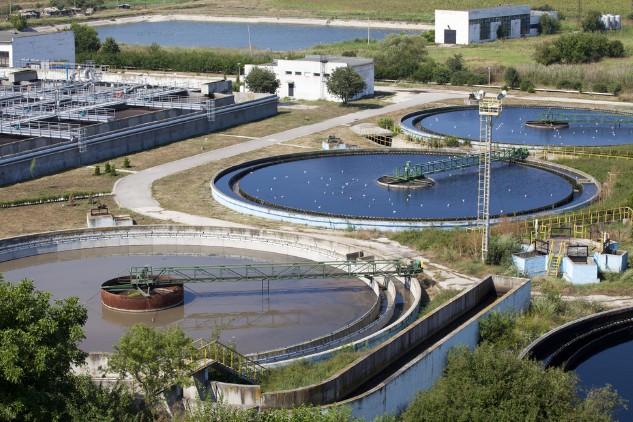
Biogas technology has come a long way from its early days as a simple solution for waste disposal and basic energy production. As global interest in renewable energy intensifies, the focus has shifted toward making biogas systems more efficient, scalable, and stable. Advanced biogas systems now integrate modern engineering, automation, and microbial science to enhance gasContinue reading “Advanced Biogas Systems: Improving Yield and Stability”
How Feedstock Affects Biogas Production Costs
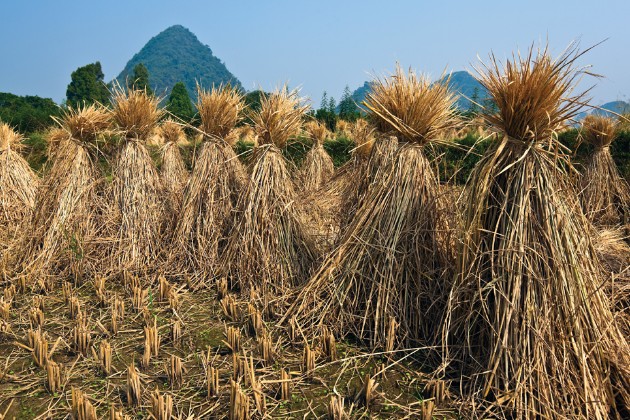
Biogas has emerged as a sustainable and economically viable renewable energy source. It is produced through the anaerobic digestion of organic materials such as agricultural waste, food scraps, animal manure, and industrial effluents. While various factors influence the total cost of producing biogas, feedstock selection is arguably one of the most critical. The type, availability,Continue reading “How Feedstock Affects Biogas Production Costs”
Biogas Upgrading to Biomethane: Technologies and Methods
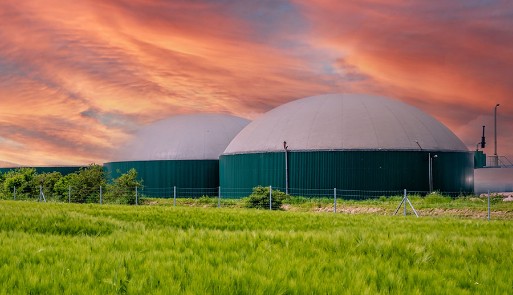
Biogas, a renewable energy source produced via the anaerobic digestion of organic materials, typically contains around 50–70% methane (CH₄), 30–50% carbon dioxide (CO₂), and trace amounts of water vapor, hydrogen sulfide (H₂S), and other impurities. While raw biogas is valuable, its direct use is often limited due to its low energy density and high CO₂Continue reading “Biogas Upgrading to Biomethane: Technologies and Methods”
Optimizing Biogas Production via Anaerobic Digestion
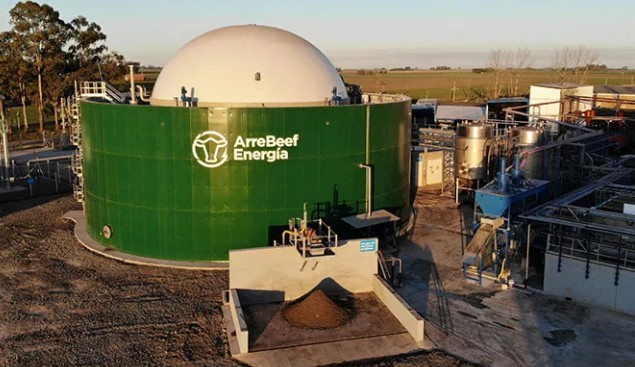
Anaerobic digestion (AD) has emerged as a reliable technology for converting organic waste into biogas—a clean and renewable source of energy. While the process is naturally efficient, there are numerous ways to optimize biogas production to increase methane yield, improve process stability, and reduce operational costs. With growing demand for sustainable energy and circular wasteContinue reading “Optimizing Biogas Production via Anaerobic Digestion”
 Manufacturer of biogas analyzer, landfill gas analyzer and extraction monitor, anaerobic digester gas analyzer