
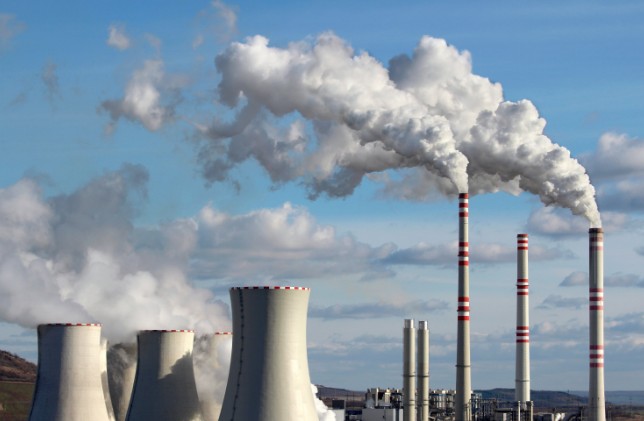
The global energy landscape is undergoing a profound shift as nations strive to reduce greenhouse gas emissions and transition toward renewable energy sources. While fossil fuels—coal, oil, and natural gas—have powered industrialization for centuries, their environmental and economic drawbacks have become increasingly evident. Biogas, a renewable energy derived from organic waste, is emerging as aContinue reading “Biogas vs. Fossil Fuel-A Cleaner Path to Energy Security”
Author Archives: chekvan
Harnessing Renewable Energy-Biogas from Water Hyacinth in Rural Communities

Water hyacinth, often considered one of the most problematic invasive aquatic plants, clogs waterways, disrupts ecosystems, and impacts fishing and agriculture. While it poses serious challenges for communities that depend on rivers and lakes, this fast-growing plant also represents a valuable untapped resource for renewable energy. By converting water hyacinth into biogas, rural communities canContinue reading “Harnessing Renewable Energy-Biogas from Water Hyacinth in Rural Communities”
Top Biogas Companies Driving the Future of Renewable Energy
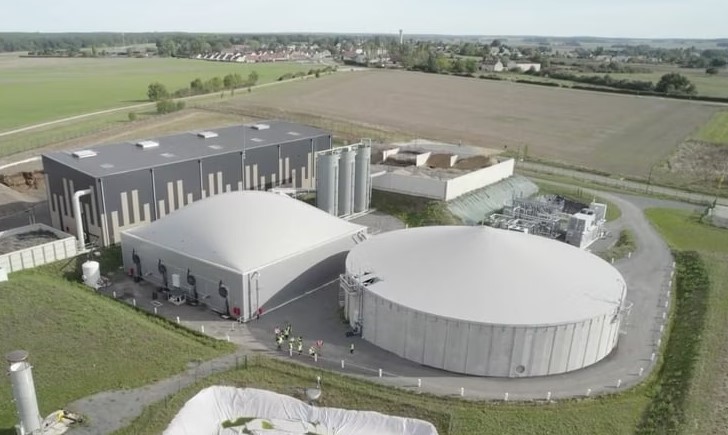
As the world transitions to sustainable energy sources, biogas has emerged as a vital contributor to the renewable energy mix. By converting organic waste into clean and usable energy, biogas not only reduces dependence on fossil fuels but also addresses waste management challenges. At the forefront of this movement are the top biogas companies, whoseContinue reading “Top Biogas Companies Driving the Future of Renewable Energy”
Warrens Emerald Biogas: A Model for Green Innovation in the Biogas Industry
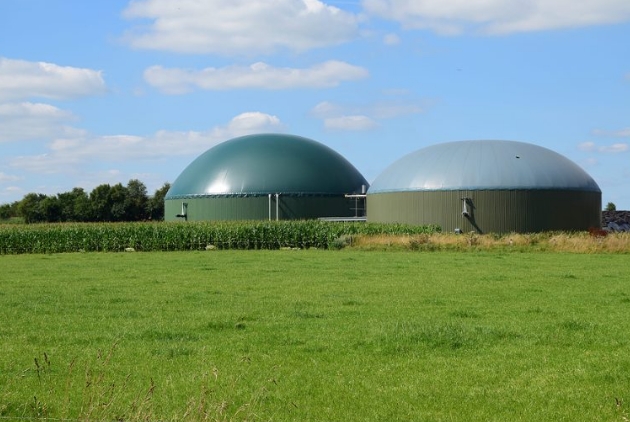
As the world transitions toward renewable energy, biogas technology has emerged as one of the most effective ways to tackle both waste management and clean energy generation. A shining example of this innovation is Warrens Emerald Biogas, a pioneering facility that demonstrates how agricultural and food waste can be transformed into sustainable power, reducing landfillContinue reading “Warrens Emerald Biogas: A Model for Green Innovation in the Biogas Industry”
Innovations in Biogas Measurement Units for Modern Energy Systems
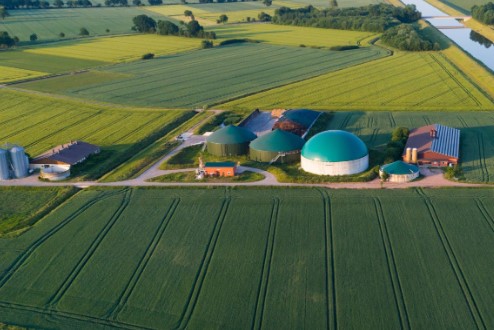
As the world transitions toward renewable energy, biogas has emerged as a reliable and sustainable energy source. Derived from organic waste through anaerobic digestion, biogas offers a clean and versatile alternative to fossil fuels. To fully harness its potential, however, precise monitoring and measurement are critical. This is where innovations in biogas measurement units areContinue reading “Innovations in Biogas Measurement Units for Modern Energy Systems”
Sewage Biogas Plant- Transforming Wastewater into Renewable Energy
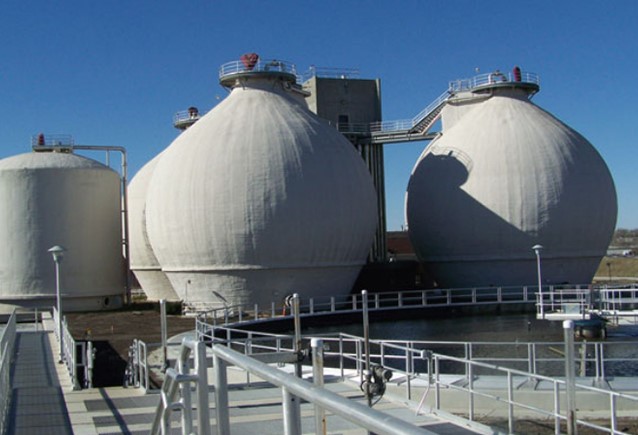
The increasing demand for sustainable energy solutions has brought sewage biogas plants into the spotlight. These facilities transform wastewater and sewage sludge into renewable energy, addressing two major challenges simultaneously: waste management and clean power generation. By leveraging natural processes of anaerobic digestion, sewage biogas plants provide a sustainable pathway to energy independence and environmentalContinue reading “Sewage Biogas Plant- Transforming Wastewater into Renewable Energy”
Process of Making Biogas from Cow Dung and Its Role in Renewable Energy Production
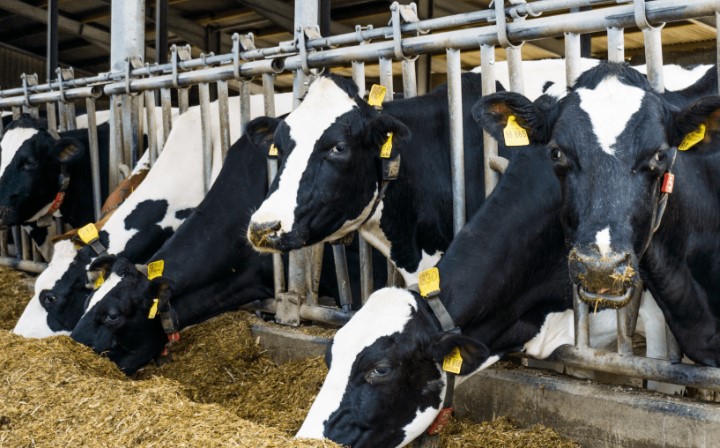
Biogas has emerged as one of the most promising renewable energy sources for both rural and urban communities. Among the different feedstocks used to generate biogas, cow dung stands out due to its abundance, ease of collection, and high energy potential. By converting organic waste into usable energy, the process of making biogas from cowContinue reading “Process of Making Biogas from Cow Dung and Its Role in Renewable Energy Production”
FOS TAC Ratio-Optimizing Biogas Plant Performance
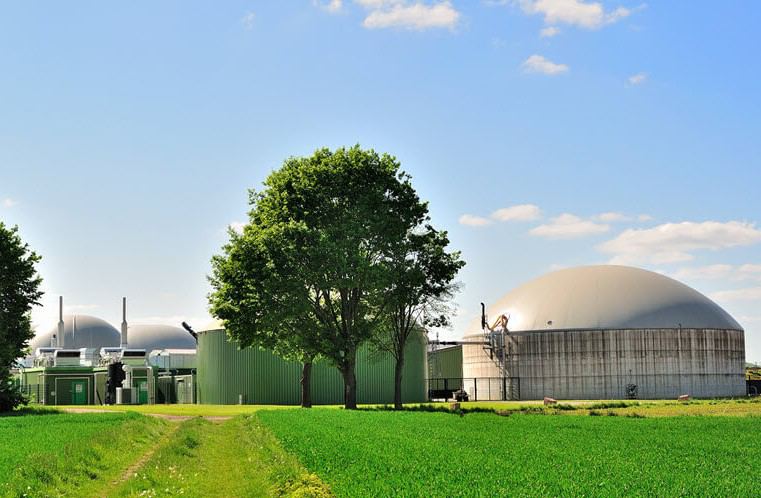
Efficient biogas production depends on maintaining a stable digestion process, where microorganisms convert organic material into methane-rich gas. One of the most widely used indicators for ensuring this stability is the FOS TAC ratio. By monitoring the balance between volatile organic acids (FOS) and total inorganic carbon (TAC), plant operators can assess the health ofContinue reading “FOS TAC Ratio-Optimizing Biogas Plant Performance”
Flex Biogas for Households and Farms-A Path to Energy Independence

As the demand for sustainable and affordable energy grows, communities are turning to innovative solutions that combine waste management with renewable energy production. Among these, Flex Biogas systems stand out as practical, decentralized waste-to-energy technologies designed for households, farms, and rural communities. By transforming organic waste into clean, usable energy, Flex Biogas offers a directContinue reading “Flex Biogas for Households and Farms-A Path to Energy Independence”
Biogas Energy Production-A Key Player in the Renewable Energy Transition
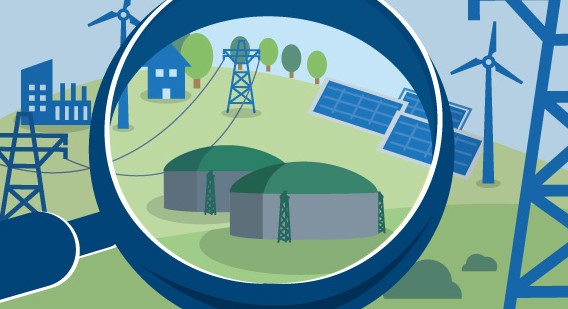
As the global energy sector undergoes a transformative shift toward sustainable solutions, biogas has emerged as a vital contributor to the renewable energy mix. By converting organic waste into usable energy, biogas energy production offers a practical, eco-friendly pathway to reduce dependence on fossil fuels while simultaneously managing agricultural, municipal, and industrial waste. The ImportanceContinue reading “Biogas Energy Production-A Key Player in the Renewable Energy Transition”
 Manufacturer of biogas analyzer, landfill gas analyzer and extraction monitor, anaerobic digester gas analyzer