
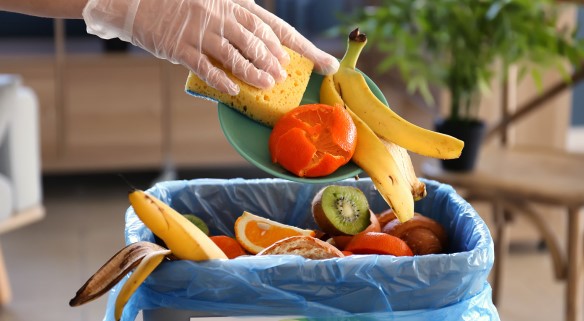
Urban areas generate vast amounts of food waste daily, from households, restaurants, and markets. Improper disposal of this organic waste contributes to greenhouse gas emissions, odor problems, and landfill overcrowding. Innovative methods for food waste to biogas conversion are transforming this challenge into an opportunity, providing renewable energy while supporting sustainable urban management.
The Science Behind Food Waste to Biogas Conversion
Food waste can be efficiently converted into biogas through anaerobic digestion, a natural process where microorganisms break down organic matter in the absence of oxygen. During digestion, complex carbohydrates, proteins, and fats are transformed into biogas—a mixture primarily composed of methane (CH₄) and carbon dioxide (CO₂), with trace gases such as hydrogen sulfide (H₂S).
This biogas can then be used for:
Generating electricity to power urban facilities
Heating water for commercial kitchens or residential use
Fueling combined heat and power (CHP) systems
Upgrading to biomethane for vehicle fuel or gas grid injection
By capturing methane, urban biogas systems help reduce greenhouse gas emissions and provide a locally sourced, renewable energy supply.
Innovative Technologies in Urban Biogas Systems
Urban food waste presents unique challenges, including heterogeneous waste composition and high moisture content. Modern technologies address these issues by improving digestion efficiency and system reliability:
Pre-treatment of food waste – Shredding, pulping, or mixing food waste ensures uniform feedstock and accelerates microbial digestion.
Advanced digesters – Compact, modular anaerobic digesters can handle varying volumes of waste, making them ideal for urban environments.
Automated feedstock management – Sensors and automated input systems allow continuous monitoring and prevent overloading of digesters.
Integration with waste management systems – Linking food waste collection directly to biogas plants streamlines operations and reduces transportation costs.
These innovations enhance the efficiency, scalability, and reliability of urban food waste biogas projects.
Monitoring Biogas for Optimal Performance
Effective biogas production requires careful monitoring of gas composition and digestion conditions. Variations in methane concentration, oxygen presence, or hydrogen sulfide levels can signal process inefficiencies or potential equipment risks.
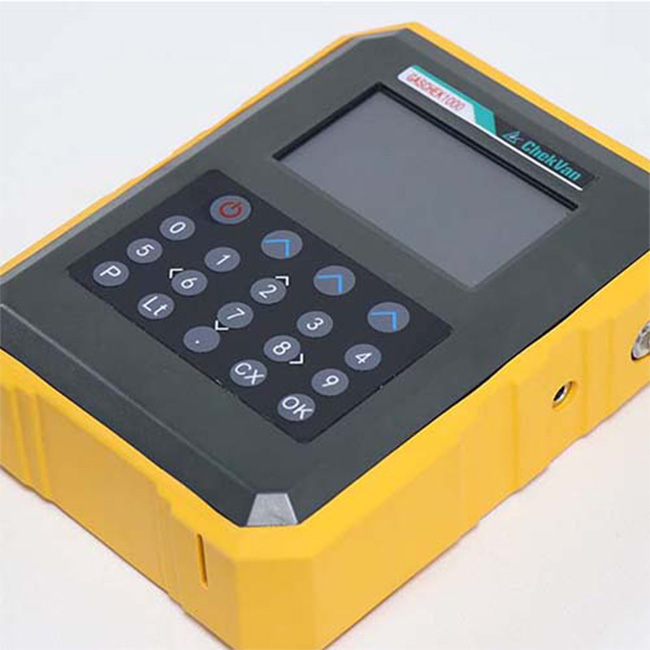
the GASCHEK1000 portable biogas analyzer
Biogas analyzers, such as the GASCHEK1000 portable biogas analyzer, use advanced photoelectric sensing principles to detect and analyze methane (CH₄), oxygen (O₂), carbon dioxide (CO₂), hydrogen sulfide (H₂S), and other gases. By providing precise, real-time measurements, these analyzers help operators evaluate the digestion process and maintain optimal biogas quality.
Key benefits of using portable biogas analyzers in urban systems include:
- Maximizing methane yield from variable food waste feedstocks
- Detecting oxygen intrusion or other process abnormalities early
- Monitoring hydrogen sulfide to prevent corrosion and equipment damage
- Adjusting feedstock or operating conditions to maintain stable digestion
Reliable monitoring ensures continuous energy production and extends the lifespan of digesters and gas handling systems.
Environmental and Economic Benefits
Converting food waste to biogas in urban areas delivers both environmental and economic advantages:
- Reduced landfill use and associated methane emissions
- Cleaner cities with less odor and pest problems
- Local renewable energy generation, reducing dependency on fossil fuels
- Revenue opportunities from energy sales or carbon credits
When scaled across cities, these systems contribute to climate goals, sustainable waste management, and resilient urban infrastructure.
Innovative methods for food waste to biogas conversion are transforming urban challenges into energy opportunities. By combining advanced pre-treatment, compact digesters, automated systems, and accurate monitoring tools like the GASCHEK1000 portable biogas analyzer, cities can efficiently convert organic waste into clean, renewable energy.
These solutions not only reduce environmental impact but also support sustainable urban living, creating a circular economy where waste is no longer a burden but a valuable resource.
About ChekVan Tech
Since the foundation of Chekvan Tech, it has endeavored to be an qualified manufacturer and supplier of portable biogas analyzers, online biogas monitoring system, fixed gas detectors for biogas plants around the world. We also develop and builds microflow biogas analyzer and gas blender for universities and researching facilities on biogas research.
To learn more, please don’t hesitate to contact us via email at sales@chekvan.com, or visit our website at www.chekvan.com.
 Manufacturer of biogas analyzer, landfill gas analyzer and extraction monitor, anaerobic digester gas analyzer