
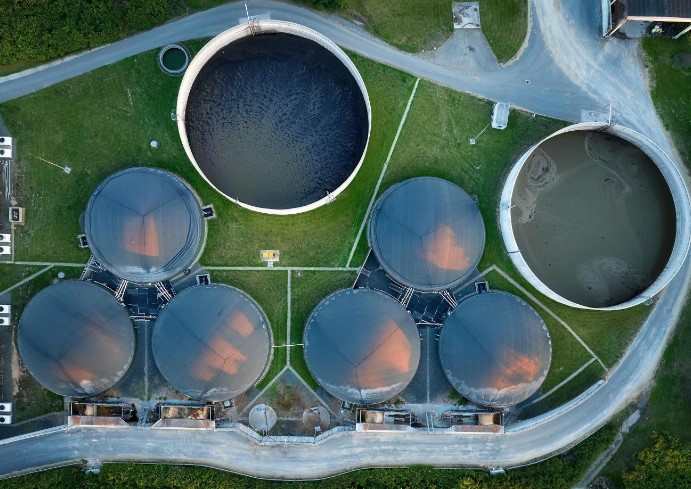
Biogas technology has become an effective way to convert organic waste into renewable energy, particularly for farms, rural households, and small communities. However, the cost of setting up a biogas plant can sometimes discourage small-scale users from adopting this sustainable solution. Fortunately, with careful planning and smart technology choices, the overall investment can be significantly reduced while maintaining efficient performance.
Selecting the Right Biogas Plant Design
One of the most important factors affecting the cost of a biogas plant is the system design. For small-scale projects, simple and proven digester designs such as fixed-dome digesters or plastic tubular digesters can significantly reduce construction costs.
These systems require fewer materials and simpler installation compared to large industrial digesters. They are also easier to maintain and can be constructed using locally available materials, which further lowers overall expenses.
Using Locally Available Feedstock
Another way to reduce project costs is to rely on readily available organic waste as feedstock. Common materials used in small-scale biogas systems include:
Cow manure
Poultry waste
Food waste from households
Agricultural residues
Using locally sourced feedstock eliminates transportation costs and ensures a steady supply of raw materials for continuous biogas production.
Optimizing Digester Size and Capacity
Oversized digesters increase construction costs and may lead to inefficient operation if there is not enough feedstock available. Properly calculating the daily waste input and expected gas production allows operators to design a digester that matches actual energy needs.
By optimizing digester capacity, users can minimize unnecessary equipment expenses while still achieving reliable energy output.
Implementing Simple Energy Utilization Systems
For small projects, simple energy utilization methods such as biogas cooking stoves, small generators, or water heating systems are often sufficient. These solutions require less investment than complex power generation systems and still provide meaningful energy savings.
Gradually expanding the system as energy demand grows is often more cost-effective than installing a large, expensive system from the beginning.
Monitoring the Digestion Process for Efficiency
Maintaining stable digester performance is essential for maximizing gas production and avoiding costly operational problems. Monitoring the composition of biogas helps operators understand how well the digestion process is functioning.
Biogas analyzers, such as the GASCHEK1000 portable biogas analyzer, use advanced photoelectric sensing principles to detect and analyze methane (CH₄), oxygen (O₂), carbon dioxide (CO₂), hydrogen sulfide (H₂S), and other gases. These analyzers provide accurate measurements that allow operators to evaluate gas quality and effectively monitor the digestion process.
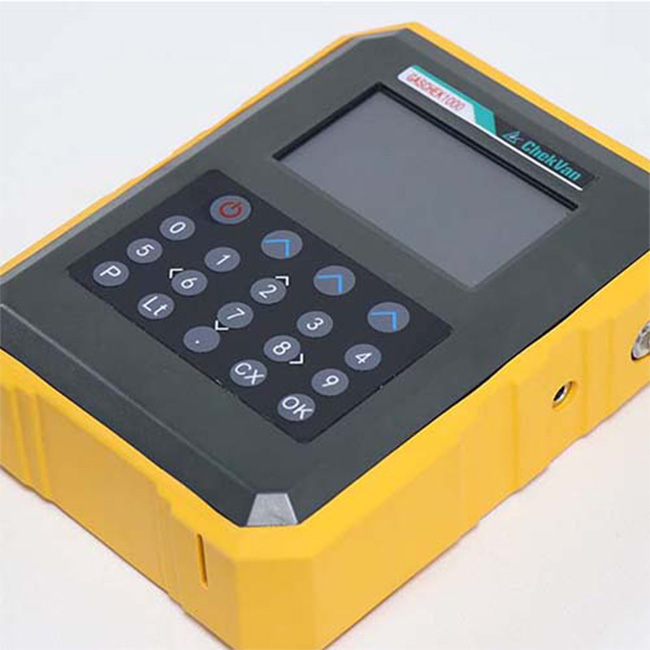
the GASCHEK1000 portable biogas analyzer
With reliable gas analysis, users can:
Ensure optimal methane concentration for energy production
Detect oxygen intrusion that could disrupt anaerobic digestion
Monitor hydrogen sulfide levels to prevent equipment corrosion
Adjust feedstock input to maintain stable gas generation
Proper monitoring ultimately helps improve system efficiency and reduces maintenance costs over time.
Seeking Government Incentives and Community Cooperation
Many governments and environmental programs offer subsidies, grants, or technical support for renewable energy projects such as biogas plants. Taking advantage of these incentives can significantly reduce the initial investment required.
In addition, community-based biogas systems where several households or farms share one digester can distribute costs among multiple users, making the project more affordable.
Reducing the cost of setting up a biogas plant for small-scale projects is achievable through smart design choices, efficient feedstock management, and proper system monitoring. By selecting cost-effective digester designs, utilizing locally available organic waste, and implementing reliable gas monitoring tools such as the GASCHEK1000 portable biogas analyzer, small farms and communities can operate efficient biogas systems with manageable investment.
With the right approach, small-scale biogas projects can provide clean energy, improve waste management, and contribute to a more sustainable and self-sufficient energy future.
About ChekVan Tech
Since the foundation of Chekvan Tech, it has endeavored to be an qualified manufacturer and supplier of portable biogas analyzers, online biogas monitoring system, fixed gas detectors for biogas plants around the world. We also develop and builds microflow biogas analyzer and gas blender for universities and researching facilities on biogas research.
To learn more, please don’t hesitate to contact us via email at sales@chekvan.com, or visit our website at www.chekvan.com.
 Manufacturer of biogas analyzer, landfill gas analyzer and extraction monitor, anaerobic digester gas analyzer