

Across Europe, the development of biogas projects has become a key component of the region’s transition toward renewable energy and a circular economy. By converting organic waste into clean power, EU biogas initiatives are addressing multiple challenges at once—waste management, greenhouse gas reduction, and sustainable energy production.
Turning Organic Waste into Renewable Energy
Biogas projects across the European Union utilize a wide range of organic materials, including agricultural residues, animal manure, food waste, municipal organic waste, and sewage sludge. Through the process of anaerobic digestion, microorganisms break down these materials in oxygen-free conditions, producing biogas primarily composed of methane (CH₄) and carbon dioxide (CO₂).
The captured methane can then be used in several ways:
Electricity generation through gas engines or turbines
Heat production for industrial processes or district heating
Combined heat and power (CHP) systems for improved energy efficiency
Upgrading to biomethane for injection into natural gas grids or as vehicle fuel
This flexible energy output allows EU biogas plants to support both local energy supply and national renewable energy targets.
Supporting the Circular Economy
One of the major advantages of EU biogas projects is their contribution to the circular economy. Instead of disposing of organic waste in landfills or incinerators, these materials are recycled into valuable energy and nutrients.
The digestion process also produces digestate, a nutrient-rich byproduct that can be used as an organic fertilizer. This reduces the need for chemical fertilizers while returning essential nutrients to agricultural soils. As a result, biogas systems help close the resource loop between food production, waste management, and energy generation.
Advancing Technology in EU Biogas Plants
European biogas facilities often incorporate advanced technologies that improve efficiency and operational reliability. These include automated feedstock systems, temperature-controlled digesters, optimized mixing technologies, and advanced gas upgrading systems.
Equally important is the accurate monitoring of gas composition during the digestion process. Stable methane production and safe plant operation depend on reliable measurement of key gas components.
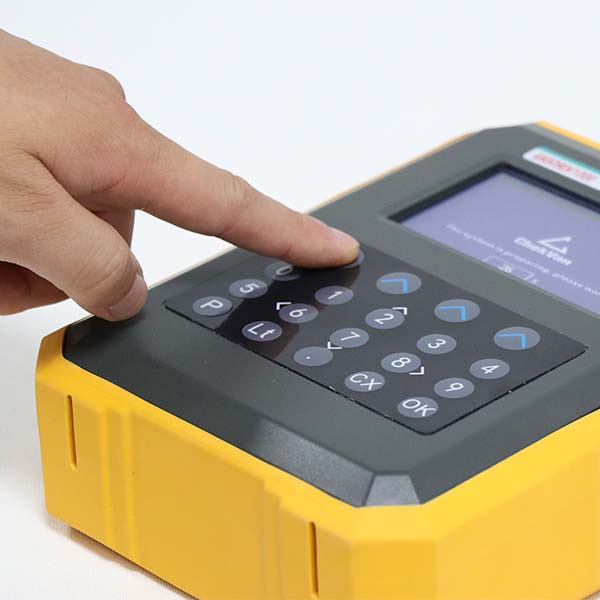
the GASCHEK1000 portable biogas analyzer
Biogas analyzers, such as the GASCHEK1000 portable biogas analyzer, use advanced photoelectric sensing principles to detect and analyze methane (CH₄), oxygen (O₂), carbon dioxide (CO₂), hydrogen sulfide (H₂S), and other gases. By providing precise gas measurements, these analyzers help operators monitor biogas quality and effectively evaluate the digestion process, ensuring optimal plant performance and energy output.
Environmental Impact and Climate Benefits
EU biogas projects deliver significant environmental benefits. By capturing methane that would otherwise be released from decomposing organic waste, these systems greatly reduce greenhouse gas emissions. In addition, replacing fossil fuels with renewable biogas lowers carbon footprints in electricity generation, heating, and transportation.
Many European countries are expanding biomethane production to replace natural gas, further strengthening the role of biogas in decarbonizing the energy sector.
EU biogas projects demonstrate how innovative waste-to-energy technologies can simultaneously address environmental, economic, and energy challenges. By transforming organic waste into renewable electricity, heat, and biomethane, these projects support sustainable waste management and accelerate the transition toward cleaner energy systems. With the support of advanced monitoring tools like the GASCHEK1000 portable biogas analyzer, modern biogas plants can maintain efficient operations and maximize their contribution to Europe’s green energy future.
About ChekVan Tech
Since the foundation of Chekvan Tech, it has endeavored to be an qualified manufacturer and supplier of portable biogas analyzers, online biogas monitoring system, fixed gas detectors for biogas plants around the world. We also develop and builds microflow biogas analyzer and gas blender for universities and researching facilities on biogas research.
To learn more, please don’t hesitate to contact us via email at sales@chekvan.com, or visit our website at www.chekvan.com.
 Manufacturer of biogas analyzer, landfill gas analyzer and extraction monitor, anaerobic digester gas analyzer