
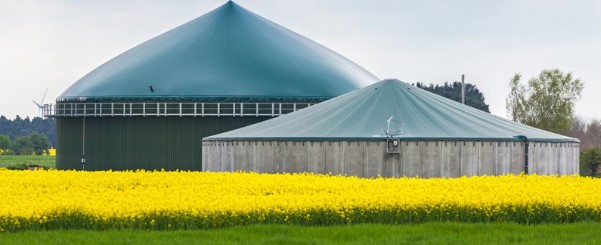
Methane anaerobic digestion is the cornerstone of modern biogas production. By converting organic waste into methane-rich biogas, this biological process not only provides a renewable energy source but also contributes to sustainable waste management and environmental protection. Understanding the science behind this process is essential for optimizing biogas yields, ensuring process stability, and maintaining safe plant operations.
What Is Methane Anaerobic Digestion?
Methane anaerobic digestion is a multi-stage microbial process that occurs in the absence of oxygen. Organic materials—such as food waste, agricultural residues, animal manure, or municipal organic waste—are broken down by specialized microorganisms through four key stages:
Hydrolysis: Complex organic polymers like carbohydrates, fats, and proteins are broken down into simpler soluble compounds.
Acidogenesis: The soluble compounds are further converted into volatile fatty acids, alcohols, hydrogen, and carbon dioxide.
Acetogenesis: Volatile fatty acids are transformed into acetic acid, hydrogen, and CO₂.
Methanogenesis: Methanogenic archaea convert acetic acid, hydrogen, and CO₂ into methane (CH₄) and additional CO₂.
The methanogenesis stage is critical, as it directly determines the quantity and energy content of the biogas produced. Methanogens are sensitive microorganisms that require stable environmental conditions to function efficiently.
Factors Influencing Methane Production
Modern biogas plants optimize methane anaerobic digestion by carefully controlling several operational parameters:
Temperature: Maintaining mesophilic (30–40°C) or thermophilic (50–60°C) conditions ensures active microbial metabolism.
pH and alkalinity: Balanced pH protects methanogens from inhibition.
Feedstock quality and carbon-to-nitrogen ratio: Proper feed composition prevents acid or ammonia buildup.
Organic loading rate (OLR) and retention time: Adequate feed and digestion time maintain microbial balance and maximize methane yield.
By carefully managing these factors, operators can achieve high-efficiency methane production and stable digester operation.
The Role of Gas Monitoring in Modern Biogas Plants
Monitoring gas composition is essential for assessing digester performance and optimizing methane production. Variations in methane content, oxygen presence, carbon dioxide levels, or hydrogen sulfide can indicate potential issues in the digestion process.
Biogas analyzers, such as the GASCHEK1000 portable biogas analyzer, use advanced photoelectric sensing principles to detect and analyze methane (CH₄), oxygen (O₂), carbon dioxide (CO₂), hydrogen sulfide (H₂S), and other gases. This technology provides accurate, real-time data that allows operators to:
- Track methane concentration for maximum energy recovery
- Detect oxygen intrusion or abnormal gas levels
- Monitor hydrogen sulfide to prevent equipment corrosion and ensure safety
- Adjust feedstock input and operational parameters to maintain stable digestion
Portable analyzers like the GASCHEK1000 are particularly valuable for routine inspections, troubleshooting, and verifying the efficiency of multiple digesters.
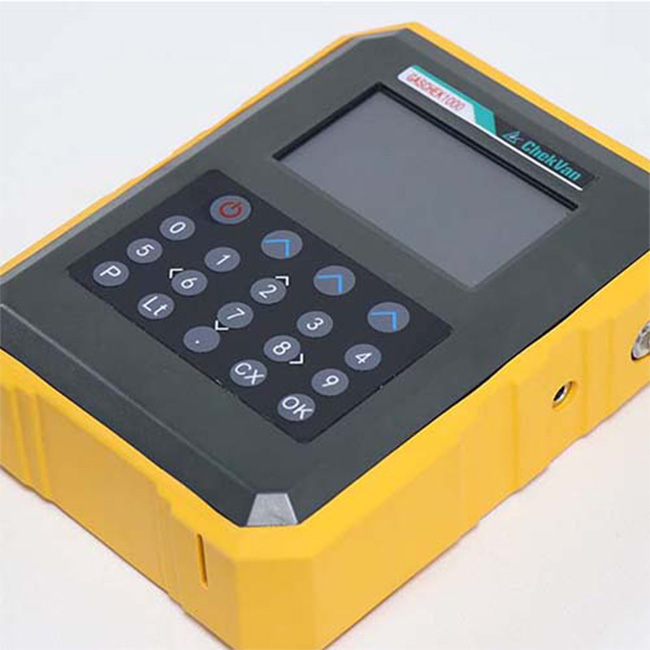
the GASCHEK1000 portable biogas analyzer
Benefits of Optimized Methane Anaerobic Digestion
When methane anaerobic digestion is properly managed and monitored, biogas plants experience numerous advantages:
Higher methane yields for more efficient energy generation
Improved process stability with fewer upsets or failures
Reduced environmental impact, including lower greenhouse gas emissions
Enhanced safety and equipment longevity through early detection of gas anomalies
These benefits make modern anaerobic digesters a reliable cornerstone of renewable energy and sustainable waste management systems.
The science behind methane anaerobic digestion combines microbiology, chemistry, and engineering to convert organic waste into high-value biogas. Modern biogas plants leverage advanced technologies, such as the GASCHEK1000 portable biogas analyzer, to monitor gas composition, optimize methane production, and maintain stable, efficient operations. By understanding and controlling the complex processes within anaerobic digesters, operators can maximize renewable energy output, support environmental sustainability, and contribute to a circular economy.
About ChekVan Tech
Since the foundation of Chekvan Tech, it has endeavored to be an qualified manufacturer and supplier of portable biogas analyzers, online biogas monitoring system, fixed gas detectors for biogas plants around the world. We also develop and builds microflow biogas analyzer and gas blender for universities and researching facilities on biogas research.
To learn more, please don’t hesitate to contact us via email at sales@chekvan.com, or visit our website at www.chekvan.com.
 Manufacturer of biogas analyzer, landfill gas analyzer and extraction monitor, anaerobic digester gas analyzer