

Methane digestion is the most critical stage of anaerobic digestion, directly determining the quantity and quality of biogas produced. In modern anaerobic digesters, this biological process enables organic waste to be converted into a stable, methane-rich fuel that supports renewable energy generation and sustainable waste management.
What Is Methane Digestion?
Methane digestion, also known as methanogenesis, is the final phase of anaerobic digestion. During this stage, specialized microorganisms called methanogens convert intermediate products—such as acetic acid, hydrogen, and carbon dioxide—into methane (CH₄).
Because methanogens are highly sensitive to environmental conditions, maintaining stable operating parameters is essential for efficient biogas production. Any disruption can lead to reduced methane yields or process instability.
Key Conditions for Efficient Methane Digestion
Modern anaerobic digesters are designed to tightly control conditions that support methane-producing microorganisms:
Oxygen-free environment: Even small amounts of oxygen can inhibit methanogenic activity.
Stable temperature: Mesophilic and thermophilic ranges are commonly used to maximize digestion efficiency.
Balanced feedstock: Proper carbon-to-nitrogen ratios prevent acid buildup and ammonia inhibition.
Controlled organic loading: Avoiding overloading protects the microbial community and maintains stable methane output.
Advances in digester design and automation help ensure these conditions are consistently maintained.
Monitoring Gas Composition in Modern Digesters
Gas composition provides direct insight into the health of methane digestion. Changes in methane concentration, carbon dioxide levels, oxygen presence, or hydrogen sulfide content can signal issues within the digester long before major failures occur.
Biogas analyzers, such as the GASCHEK1000 portable biogas analyzer, use advanced photoelectric sensing principles to detect and analyze methane (CH₄), oxygen (O₂), carbon dioxide (CO₂), hydrogen sulfide (H₂S), and other gases. By delivering accurate, real-time measurements, these analyzers help operators effectively monitor the digestion process and quickly respond to operational changes.
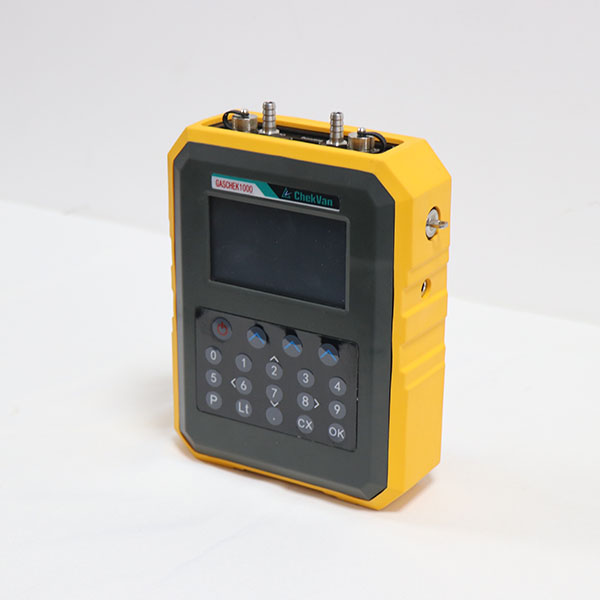
the GASCHEK1000 portable biogas analyzer
Portable gas analysis is especially valuable for routine inspections, troubleshooting, and performance verification across multiple digesters or plant sections.
Benefits of Modern Methane Digestion Systems
When methane digestion is well managed and properly monitored, anaerobic digesters offer significant benefits:
Higher methane yields and improved energy recovery
Enhanced process stability with fewer upsets
Reduced equipment corrosion through early detection of H₂S
Improved safety by identifying oxygen ingress or abnormal gas conditions
These advantages make modern anaerobic digesters an essential component of renewable energy and waste-to-energy infrastructure.
Understanding methane digestion is key to unlocking the full potential of anaerobic digestion technology. Modern anaerobic digesters, combined with accurate monitoring tools like the GASCHEK1000 portable biogas analyzer, enable operators to maintain stable conditions, optimize methane production, and ensure safe, efficient biogas generation. As demand for clean energy grows, effective methane digestion will continue to play a central role in sustainable energy systems worldwide.
About ChekVan Tech
Since the foundation of Chekvan Tech, it has endeavored to be an qualified manufacturer and supplier of portable biogas analyzers, online biogas monitoring system, fixed gas detectors for biogas plants around the world. We also develop and builds microflow biogas analyzer and gas blender for universities and researching facilities on biogas research.
To learn more, please don’t hesitate to contact us via email at sales@chekvan.com, or visit our website at www.chekvan.com.
 Manufacturer of biogas analyzer, landfill gas analyzer and extraction monitor, anaerobic digester gas analyzer