
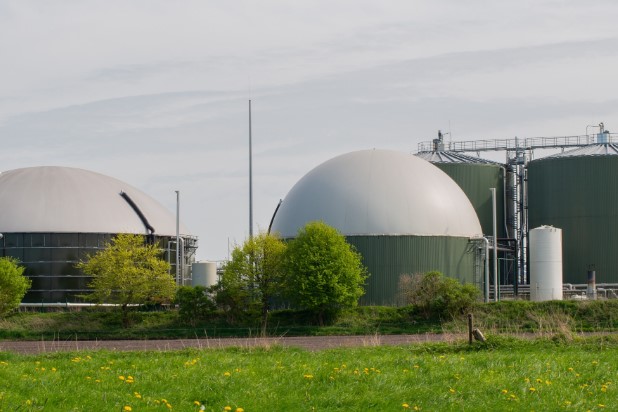
Methane anaerobic digestion is at the heart of modern biogas technology, enabling organic waste to be transformed into a valuable renewable energy source. As demand for clean energy and sustainable waste management grows, optimizing this biological process has become essential for achieving higher biogas yields, better methane concentration, and more stable plant operation.
Understanding Methane Anaerobic Digestion
Methane anaerobic digestion is a multi-stage biological process in which microorganisms break down organic materials in the absence of oxygen. It typically involves four key phases: hydrolysis, acidogenesis, acetogenesis, and methanogenesis. During the final stage, methanogenic bacteria convert intermediate compounds into methane-rich biogas.
The efficiency of this process directly determines how much usable energy can be recovered from feedstocks such as food waste, agricultural residues, animal manure, or municipal organic waste.
Key Factors Affecting Digestion Efficiency
To optimize methane anaerobic digestion, operators must carefully control several parameters:
Feedstock quality and composition: Balanced carbon-to-nitrogen (C/N) ratios help prevent ammonia inhibition or acid accumulation.
Organic loading rate (OLR): Proper loading ensures microorganisms are neither starved nor overloaded.
Temperature control: Maintaining stable mesophilic or thermophilic conditions supports consistent microbial activity.
pH and alkalinity: Stable pH levels are crucial for protecting sensitive methanogens.
Mixing and retention time: Effective mixing improves contact between microbes and substrates, while adequate retention time allows complete digestion.
Fine-tuning these factors leads to higher methane content and improved overall biogas production efficiency.
The Role of Monitoring in Process Optimization
Continuous monitoring is essential for understanding what is happening inside an anaerobic digester and for making informed operational adjustments. Gas composition, in particular, is a direct indicator of digestion health and performance.
Biogas analyzers, such as the GASCHEK1000 portable biogas analyzer, use advanced photoelectric sensing technology to detect and analyze key gas components including methane (CH₄), oxygen (O₂), carbon dioxide (CO₂), hydrogen sulfide (H₂S), and other gases. By delivering accurate and reliable measurements, these analyzers help operators effectively monitor the digestion process and quickly identify issues such as reduced methane yield, air ingress, or elevated H₂S levels.
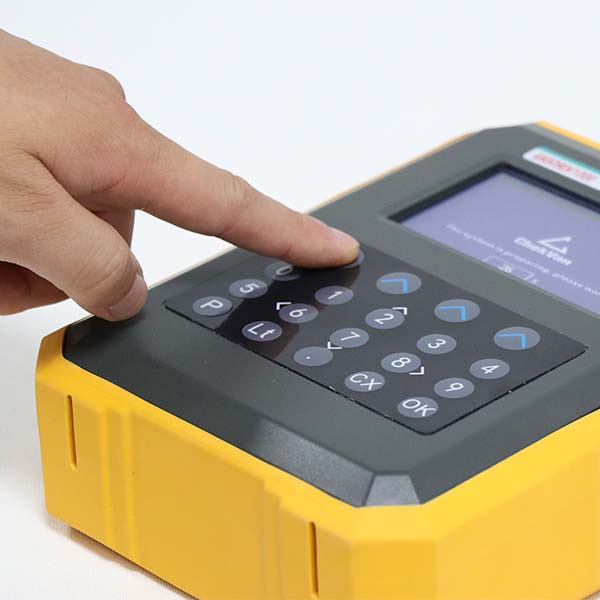
the GASCHEK1000 portable biogas analyzer
With real-time gas data, plant operators can adjust feedstock input, loading rates, or operating conditions to keep methane anaerobic digestion running at peak efficiency.
Benefits of High-Efficiency Methane Digestion
Optimizing methane anaerobic digestion delivers multiple advantages:
Higher energy output from the same amount of organic waste
Improved process stability with fewer upsets or shutdowns
Lower operating costs through better resource utilization
Reduced environmental impact, including lower greenhouse gas emissions
These benefits make optimized anaerobic digestion a cornerstone of sustainable waste-to-energy strategies.
High-efficiency methane anaerobic digestion is not achieved by chance—it requires careful process control, informed decision-making, and reliable monitoring tools. By combining optimized operating parameters with advanced gas analysis solutions like the GASCHEK1000 portable biogas analyzer, biogas plants can maximize methane production, enhance system reliability, and contribute more effectively to the global transition toward renewable energy.
About ChekVan Tech
Since the foundation of Chekvan Tech, it has endeavored to be an qualified manufacturer and supplier of portable biogas analyzers, online biogas monitoring system, fixed gas detectors for biogas plants around the world. We also develop and builds microflow biogas analyzer and gas blender for universities and researching facilities on biogas research.
To learn more, please don’t hesitate to contact us via email at sales@chekvan.com, or visit our website at www.chekvan.com.
 Manufacturer of biogas analyzer, landfill gas analyzer and extraction monitor, anaerobic digester gas analyzer