

With the growing global focus on sustainability and waste management, biogas generation from food waste has emerged as a practical solution for converting organic waste into clean energy. Food waste, including kitchen scraps, restaurant leftovers, and unsold produce, represents a significant portion of municipal and industrial organic waste. Turning this resource into biogas not only addresses environmental concerns but also provides a renewable energy source for communities and businesses.
Converting Food Waste into Renewable Energy
The process of generating biogas from food waste typically involves anaerobic digestion, where microorganisms break down organic matter in an oxygen-free environment. This process produces a methane-rich gas that can be used for:
Electricity generation through combined heat and power (CHP) systems
Heating applications in industrial and residential settings
Upgraded bio-CNG fuel for vehicles and machinery
By utilizing food waste as feedstock, biogas plants help reduce landfill usage, minimize greenhouse gas emissions, and contribute to sustainable energy production.
Enhancing Efficiency with Advanced Monitoring
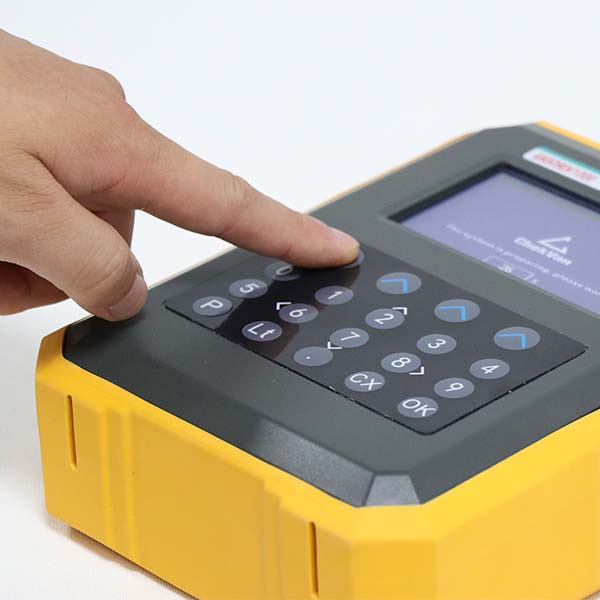
the GASCHEK1000 portable biogas analyzer
A critical aspect of optimizing biogas generation from food waste is monitoring and controlling the anaerobic digestion process. Biogas analyzers, such as the GASCHEK1000 portable biogas analyzer, use advanced photoelectric sensing principles to detect and analyze methane (CH₄), oxygen (O₂), carbon dioxide (CO₂), hydrogen sulfide (H₂S), and other gases. These analyzers provide precise, real-time data, enabling operators to:
- Maintain optimal digestion conditions
- Maximize methane production from food waste
- Detect process irregularities early
- Ensure safe and consistent energy output
With continuous monitoring, food waste biogas systems can operate efficiently and reliably, turning even small volumes of organic waste into valuable energy.
Environmental and Economic Advantages
Biogas generation from food waste offers significant benefits:
Reduced environmental impact: Preventing methane emissions from decomposing food waste reduces greenhouse gas release.
Resource recovery: Digestate, a by-product of anaerobic digestion, can be used as nutrient-rich fertilizer for agriculture and landscaping.
Cost savings and revenue: Generating energy from food waste lowers energy costs, and surplus biogas or electricity can create additional revenue streams.
These advantages make biogas production from food waste a win-win solution for both the environment and local economies.
Applications Across Sectors
Food waste biogas systems are versatile and can be applied in:
- Urban communities to manage household food waste efficiently
- Restaurants and hotels to convert kitchen waste into energy on-site
- Food processing industries to handle production by-products sustainably
- Municipal waste management programs to support city-wide renewable energy initiatives
Innovative approaches to biogas generation from food waste are transforming how communities and industries manage organic waste. By leveraging advanced monitoring tools like the GASCHEK1000 biogas analyzer, operators can optimize methane production, maintain process stability, and ensure safe, efficient energy output. This approach not only promotes renewable energy generation but also supports sustainable, circular practices that reduce waste and greenhouse gas emissions.
About ChekVan Tech
Since the foundation of Chekvan Tech, it has endeavored to be an qualified manufacturer and supplier of portable biogas analyzers, online biogas monitoring system, fixed gas detectors for biogas plants around the world. We also develop and builds microflow biogas analyzer and gas blender for universities and researching facilities on biogas research.
To learn more, please don’t hesitate to contact us via email at sales@chekvan.com, or visit our website at www.chekvan.com.
 Manufacturer of biogas analyzer, landfill gas analyzer and extraction monitor, anaerobic digester gas analyzer