
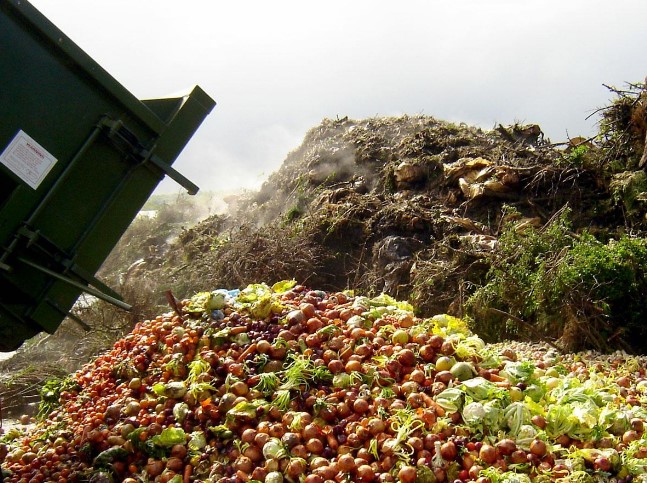
As urban populations grow, municipal solid waste (MSW) management has become a critical challenge for sustainable city development. Traditional waste disposal methods, such as landfills and incineration, not only consume valuable land but also release greenhouse gases and pollutants. Biogas production from municipal solid waste presents a sustainable alternative, turning urban waste into renewable energy while reducing environmental impact.
Transforming Municipal Solid Waste into Renewable Energy
Municipal solid waste, which includes organic fractions like food scraps, garden waste, and biodegradable packaging, can be processed through anaerobic digestion to produce methane-rich biogas. This biogas can then be utilized for:
Electricity generation to power homes and public infrastructure
Heating applications for district energy systems
Upgraded bio-CNG fuel for transportation fleets
This approach not only reduces the volume of waste sent to landfills but also provides a stable, renewable energy source for cities.
Optimizing Biogas Production with Advanced Monitoring

the GASCHEK1000 portable biogas analyzer
Efficient biogas production relies on precise monitoring of the digestion process. Biogas analyzers, such as the GASCHEK1000 portable biogas analyzer, use advanced photoelectric sensing principles to detect and analyze methane (CH₄), oxygen (O₂), carbon dioxide (CO₂), hydrogen sulfide (H₂S), and other gases. These analyzers provide accurate real-time reports, enabling operators to:
- Maintain optimal conditions for anaerobic digestion
- Maximize methane yield from municipal waste
- Prevent process failures and safety hazards
- Enhance overall energy recovery efficiency
With continuous monitoring, municipal biogas plants can operate safely and efficiently, producing high-quality energy from urban waste.
Environmental and Economic Benefits
Biogas production from MSW offers multiple benefits for sustainable cities:
Reduced greenhouse gas emissions: Capturing methane prevents its release from landfills, mitigating climate impact.
Energy independence: Cities can generate their own renewable electricity and heat, reducing reliance on fossil fuels.
Resource recovery: Digestate from anaerobic digestion can be used as nutrient-rich fertilizer for urban landscaping or local agriculture.
Economic value: Generating energy and fertilizer from waste creates potential revenue streams while lowering municipal waste management costs.
Applications in Urban Settings
Municipal biogas plants can be integrated into:
- Waste management facilities to process organic waste efficiently
- Public utility systems to supply renewable energy to local grids
- District heating networks to provide sustainable heating solutions
Sustainable transportation programs by upgrading biogas to bio-CNG for city buses and municipal vehicles
Advancing biogas production from municipal solid waste is a key step toward sustainable urban development. By transforming organic waste into renewable energy, cities can reduce emissions, recover valuable resources, and move closer to circular economy goals. With the integration of advanced monitoring tools like the GASCHEK1000 biogas analyzer, municipal biogas plants can ensure efficient, safe, and consistent operation—turning urban waste challenges into renewable energy opportunities.
About ChekVan Tech
Since the foundation of Chekvan Tech, it has endeavored to be an qualified manufacturer and supplier of portable biogas analyzers, online biogas monitoring system, fixed gas detectors for biogas plants around the world. We also develop and builds microflow biogas analyzer and gas blender for universities and researching facilities on biogas research.
To learn more, please don’t hesitate to contact us via email at sales@chekvan.com, or visit our website at www.chekvan.com.
 Manufacturer of biogas analyzer, landfill gas analyzer and extraction monitor, anaerobic digester gas analyzer