
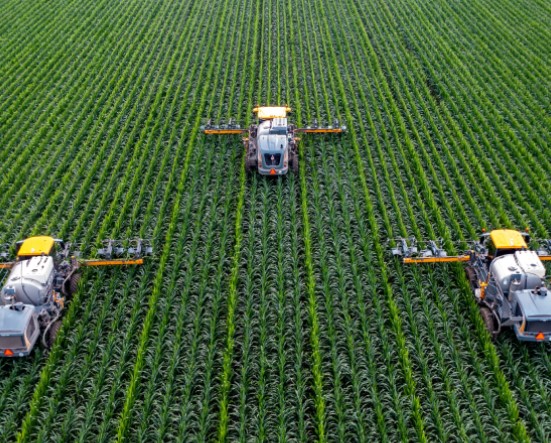
In modern agriculture, energy efficiency, waste management, and sustainable practices are essential for both economic and environmental success. One solution that addresses all three areas is biogas technology. By converting agricultural waste into renewable energy, farms can reduce operational costs, generate electricity or heat, and produce organic fertilizers for crops.
Benefits of Using Biogas in Agriculture
1.Waste-to-Energy Conversion
Farm waste, including crop residues, animal manure, and food processing by-products, can be converted into methane-rich biogas through anaerobic digestion. This process not only reduces waste disposal problems but also provides a clean and reliable energy source for heating, electricity, or fuel for farm machinery.
2.Production of Nutrient-Rich Fertilizer
The digestate left after biogas production is rich in nitrogen, phosphorus, and potassium, making it an excellent organic fertilizer. Using digestate improves soil health, reduces dependence on chemical fertilizers, and supports sustainable crop production.
3.Energy Cost Reduction
By generating their own energy from biogas, farms can significantly reduce electricity and fuel costs. In some cases, excess energy can be sold back to the grid, creating an additional revenue stream.
4.Environmental Impact
Biogas use helps lower greenhouse gas emissions by capturing methane that would otherwise escape into the atmosphere. It also mitigates issues like odor from animal waste and prevents open-field burning of crop residues.
Enhancing Biogas Efficiency with Advanced Monitoring
Optimal biogas production and utilization require careful monitoring of the anaerobic digestion process. Biogas analyzers, such as the GASCHEK1000 portable biogas analyzer, use advanced photoelectric sensing principles to detect and analyze methane (CH₄), oxygen (O₂), carbon dioxide (CO₂), hydrogen sulfide (H₂S), and other gases. By providing accurate real-time reports, these analyzers allow farm operators to:

the GASCHEK1000 portable biogas analyzer
- Ensure stable digestion conditions
- Prevent process failures
- Maximize methane yield
- Improve overall energy efficiency
Monitoring gas composition helps farmers maintain a consistent energy supply and enhances the economic and environmental benefits of biogas systems.
Practical Applications on Farms
Heating and Cooking: Biogas can replace LPG or other fossil fuels for farm kitchens, greenhouses, and water heating.
Electricity Generation: Combined heat and power (CHP) systems can convert biogas into electricity for farm operations.
Vehicle Fuel: Upgraded biogas (bio-CNG) can be used to fuel tractors and transport vehicles on farms.
Waste Management: Continuous biogas production reduces the volume and odor of manure and crop residues.
The use of biogas in agriculture provides a multifaceted solution that enhances farm efficiency, promotes sustainability, and reduces operational costs. With advanced monitoring tools like the GASCHEK1000 biogas analyzer, farmers can optimize methane production, ensure safe and efficient operation, and maximize the economic and environmental benefits of their biogas systems. Integrating biogas technology into modern farming is a practical step toward energy self-sufficiency and greener agricultural practices.
About ChekVan Tech
Since the foundation of Chekvan Tech, it has endeavored to be an qualified manufacturer and supplier of portable biogas analyzers, online biogas monitoring system, fixed gas detectors for biogas plants around the world. We also develop and builds microflow biogas analyzer and gas blender for universities and researching facilities on biogas research.
To learn more, please don’t hesitate to contact us via email at sales@chekvan.com, or visit our website at www.chekvan.com.
 Manufacturer of biogas analyzer, landfill gas analyzer and extraction monitor, anaerobic digester gas analyzer