
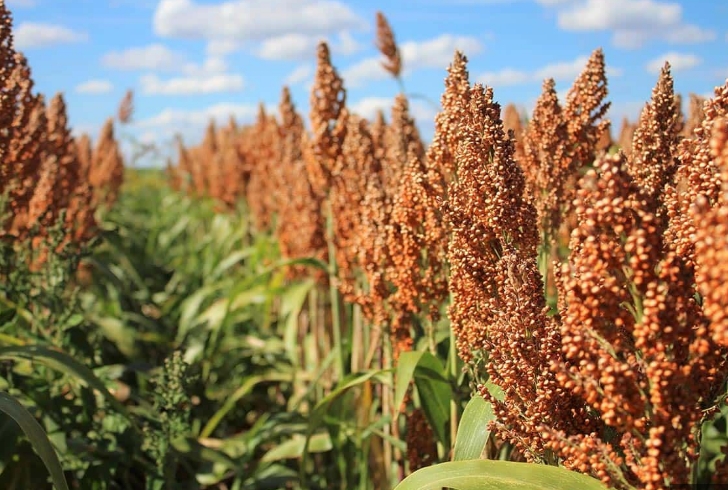
As the world shifts toward renewable energy, sorghum has emerged as a promising feedstock for biogas production. Its high biomass yield, adaptability to diverse climates, and rich organic content make it ideal for anaerobic digestion. Optimizing sorghum biogas systems is key to maximizing methane yield, improving energy efficiency, and ensuring the economic viability of biogas projects.
Why Sorghum Is a Promising Feedstock
Sorghum is rich in cellulose, hemicellulose, and starch, which are readily digestible by anaerobic microorganisms. Its fast growth cycle and minimal input requirements allow for large-scale cultivation without competing with food crops. By converting sorghum biomass into biogas, farmers and energy producers can:
- Reduce agricultural waste
- Generate renewable energy for electricity, heat, or bio-CNG
- Produce nutrient-rich digestate for fertilizer use
Strategies to Optimize Methane Yield
1. Effective Pretreatment of Sorghum
Sorghum stalks and leaves contain lignin, which can hinder digestion. Pretreatment methods—such as mechanical shredding, steam explosion, alkaline treatment, or enzymatic hydrolysis—break down complex fibers and make organic matter more accessible to microbes, increasing methane production.
2. Optimized Digester Design
High-efficiency digesters, such as continuously stirred tank reactors (CSTRs) or plug-flow digesters, improve contact between microbes and feedstock. Temperature-controlled systems and proper mixing further enhance microbial activity, resulting in higher methane yields.
3. Precise Gas Monitoring
Maintaining the ideal environment for anaerobic digestion requires accurate monitoring of gas composition. Biogas analyzers, such as the GASCHEK1000 portable biogas analyzer, use advanced photoelectric sensing principles to detect and analyze methane (CH₄), oxygen (O₂), carbon dioxide (CO₂), hydrogen sulfide (H₂S), and other gases. This ensures operators can track the digestive process in real time, optimize feedstock input, prevent process imbalances, and maintain consistent methane output.

the GASCHEK1000 portable biogas analyzer
4. Feedstock Management and Co-Digestion
Combining sorghum with other organic wastes, such as manure or food residues, can improve carbon-to-nitrogen ratios and enhance methane yield. Proper feedstock management ensures continuous digester operation and maximizes energy recovery.
5. Post-Digestion Optimization
Upgrading biogas to biomethane or integrating with combined heat and power (CHP) systems can increase the energy value of the output, making sorghum biogas systems more economically attractive.
Environmental and Economic Benefits
Optimized sorghum biogas systems reduce reliance on fossil fuels, lower greenhouse gas emissions, and provide renewable energy for rural and industrial applications. The digestate generated is an excellent organic fertilizer, closing the loop in sustainable agriculture.
With precise monitoring and advanced digestion technologies, methane yields from sorghum can reach their full potential, offering both environmental and financial rewards.
Sorghum biogas systems represent a sustainable solution for renewable energy production. By integrating advanced gas monitoring tools like the GASCHEK1000 and adopting innovative pretreatment and digestion strategies, operators can maximize methane yield, ensure stable plant operation, and contribute to a greener, more sustainable energy future.
About ChekVan Tech
Since the foundation of Chekvan Tech, it has endeavored to be an qualified manufacturer and supplier of portable biogas analyzers, online biogas monitoring system, fixed gas detectors for biogas plants around the world. We also develop and builds microflow biogas analyzer and gas blender for universities and researching facilities on biogas research.
To learn more, please don’t hesitate to contact us via email at sales@chekvan.com, or visit our website at www.chekvan.com.
 Manufacturer of biogas analyzer, landfill gas analyzer and extraction monitor, anaerobic digester gas analyzer